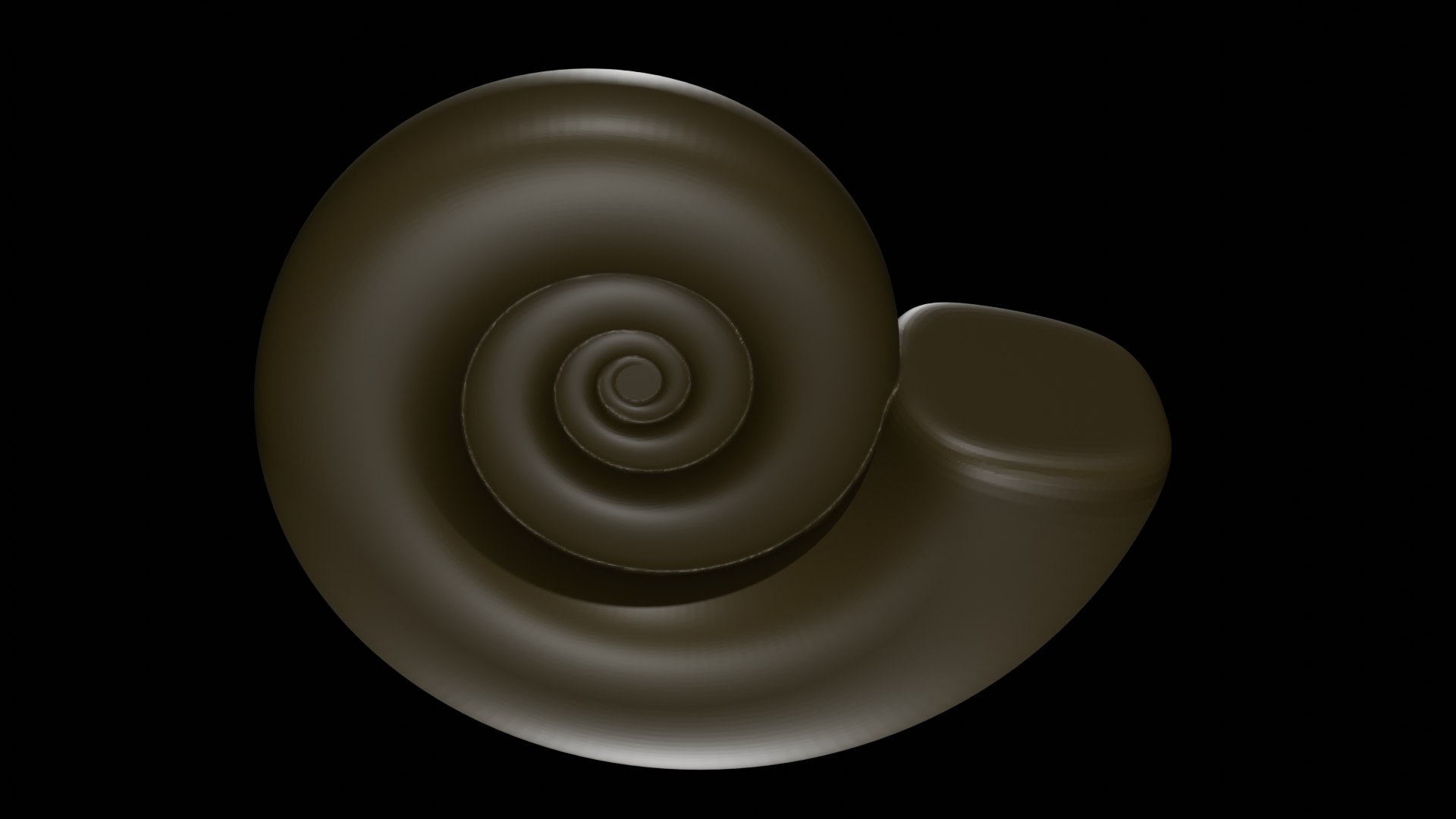
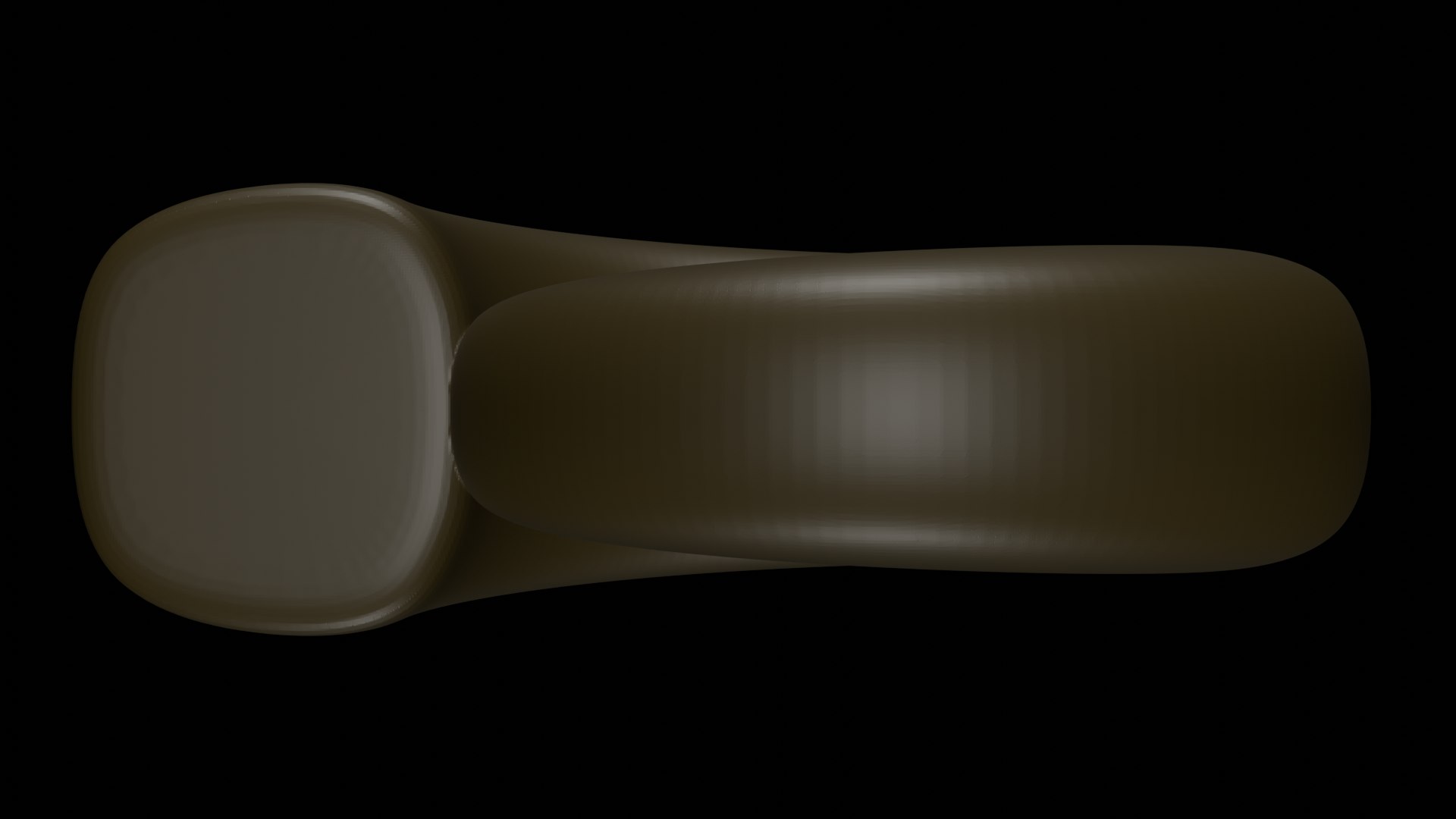
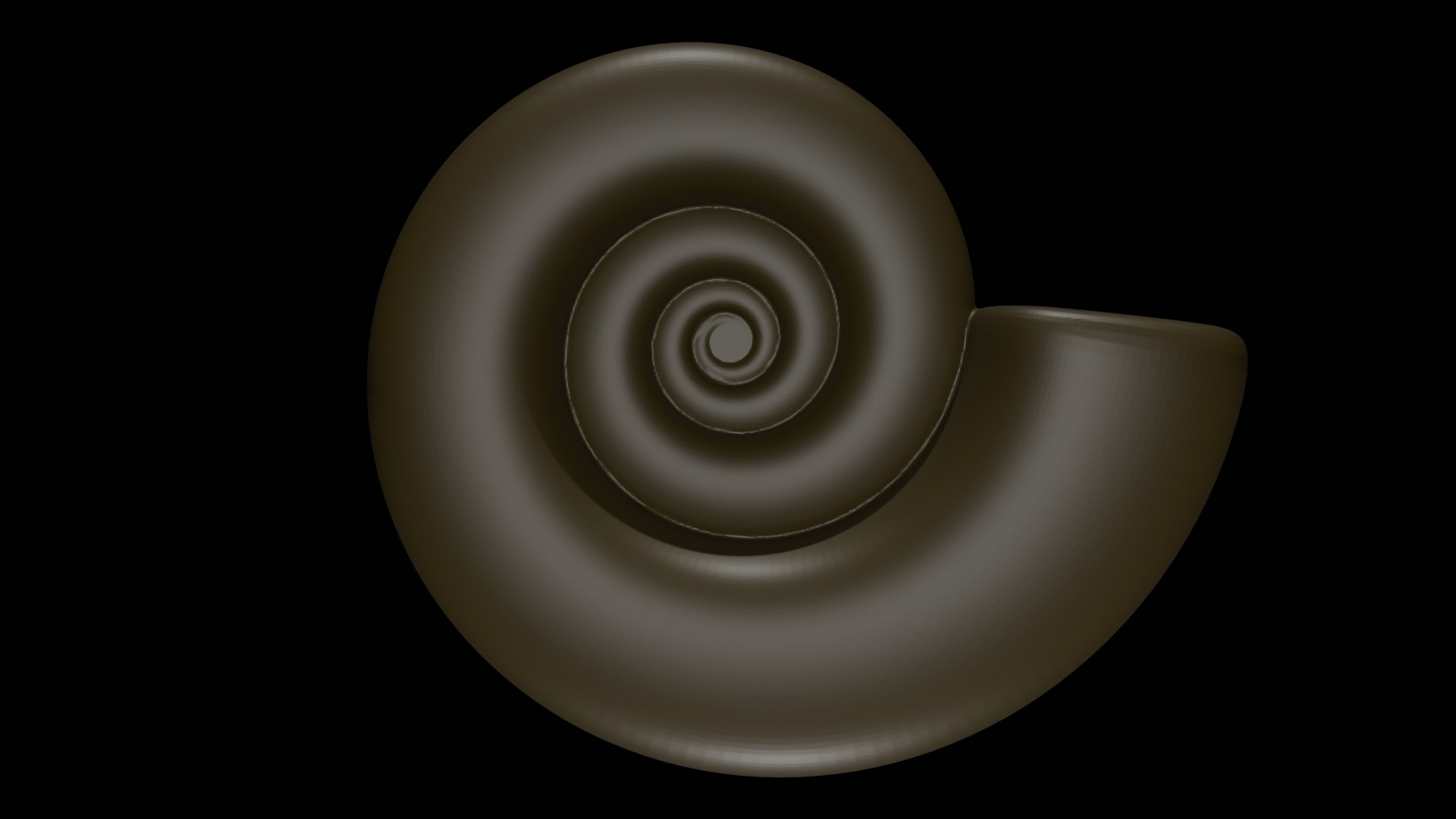
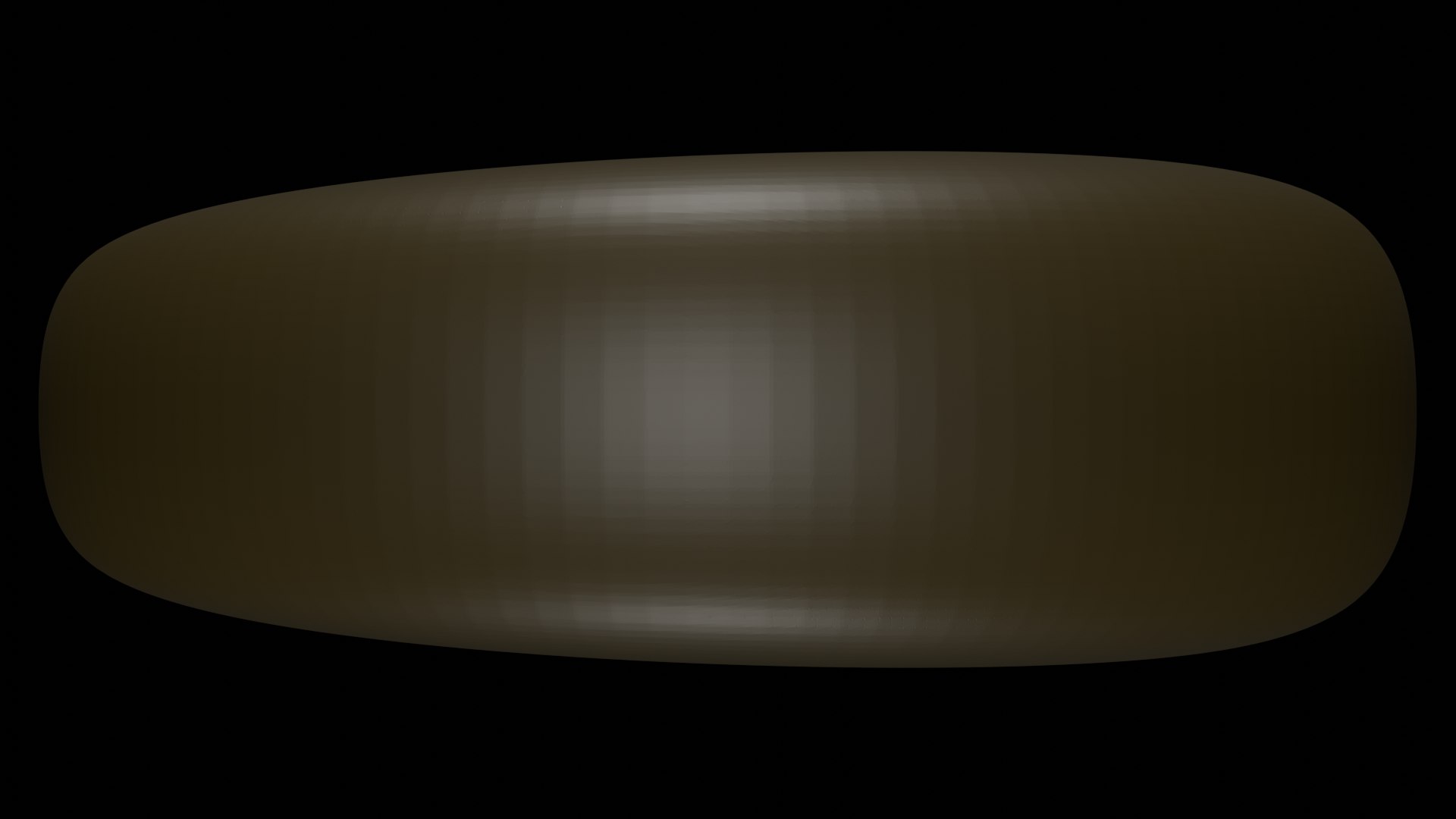
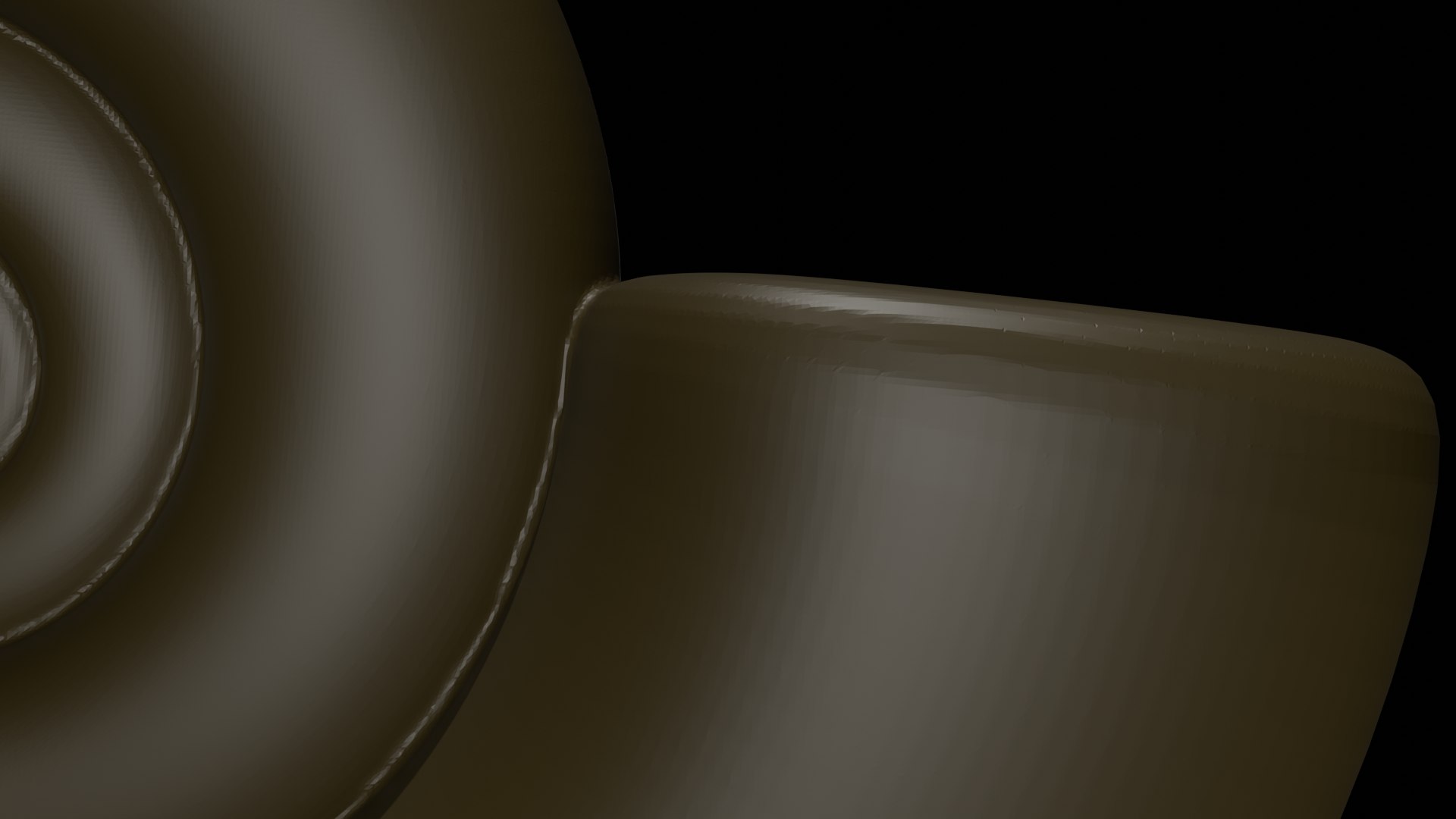
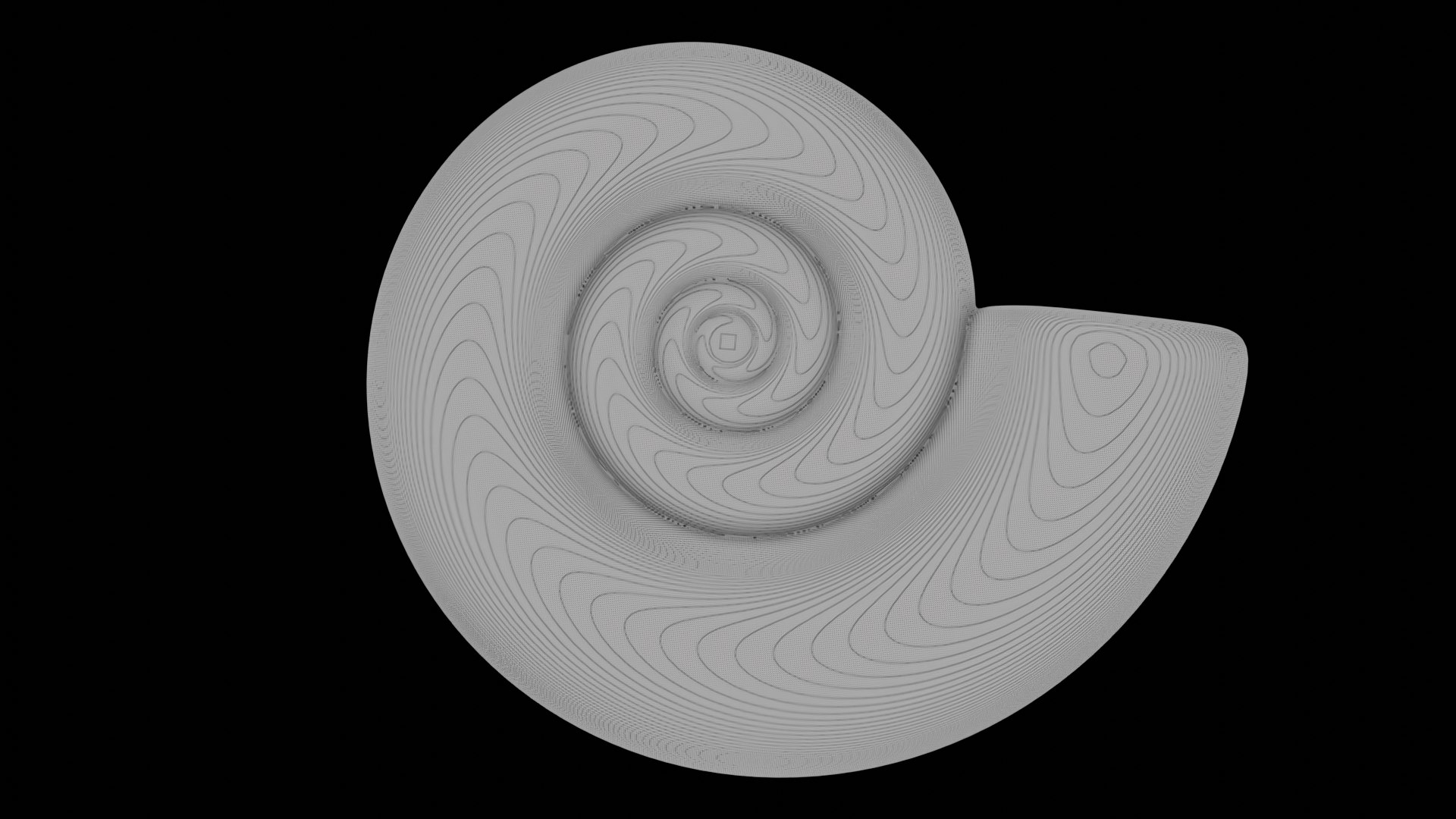
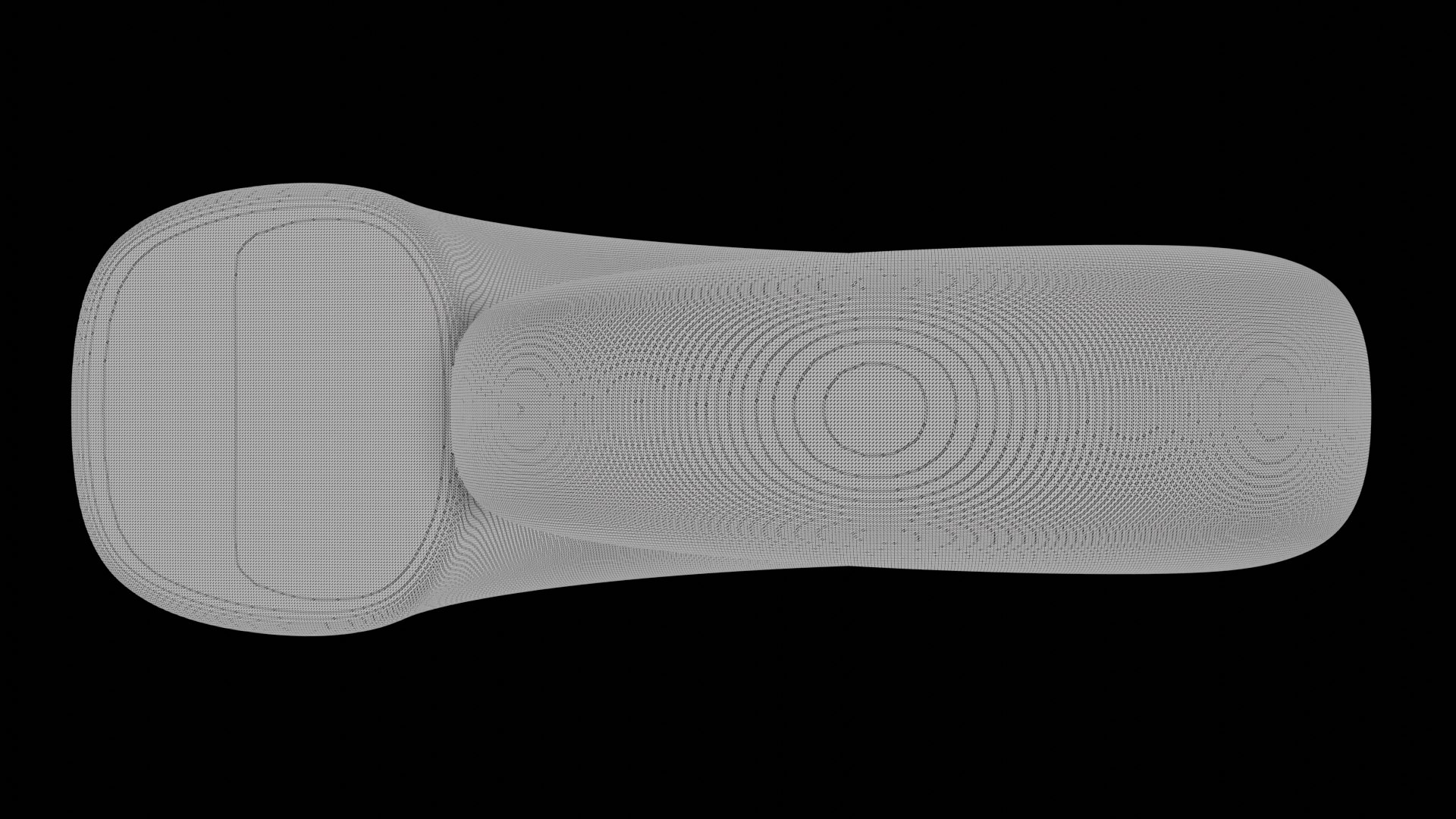
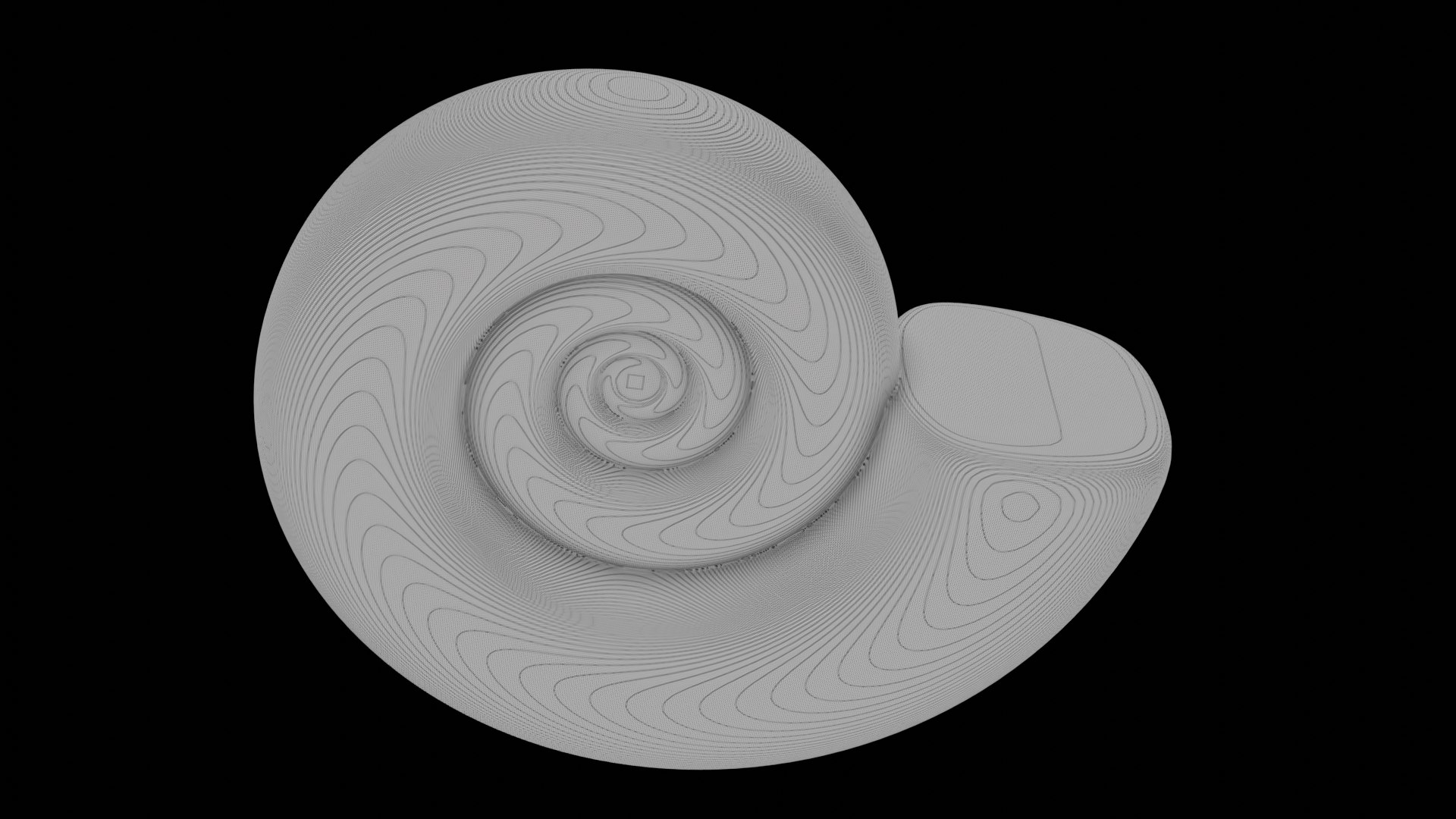
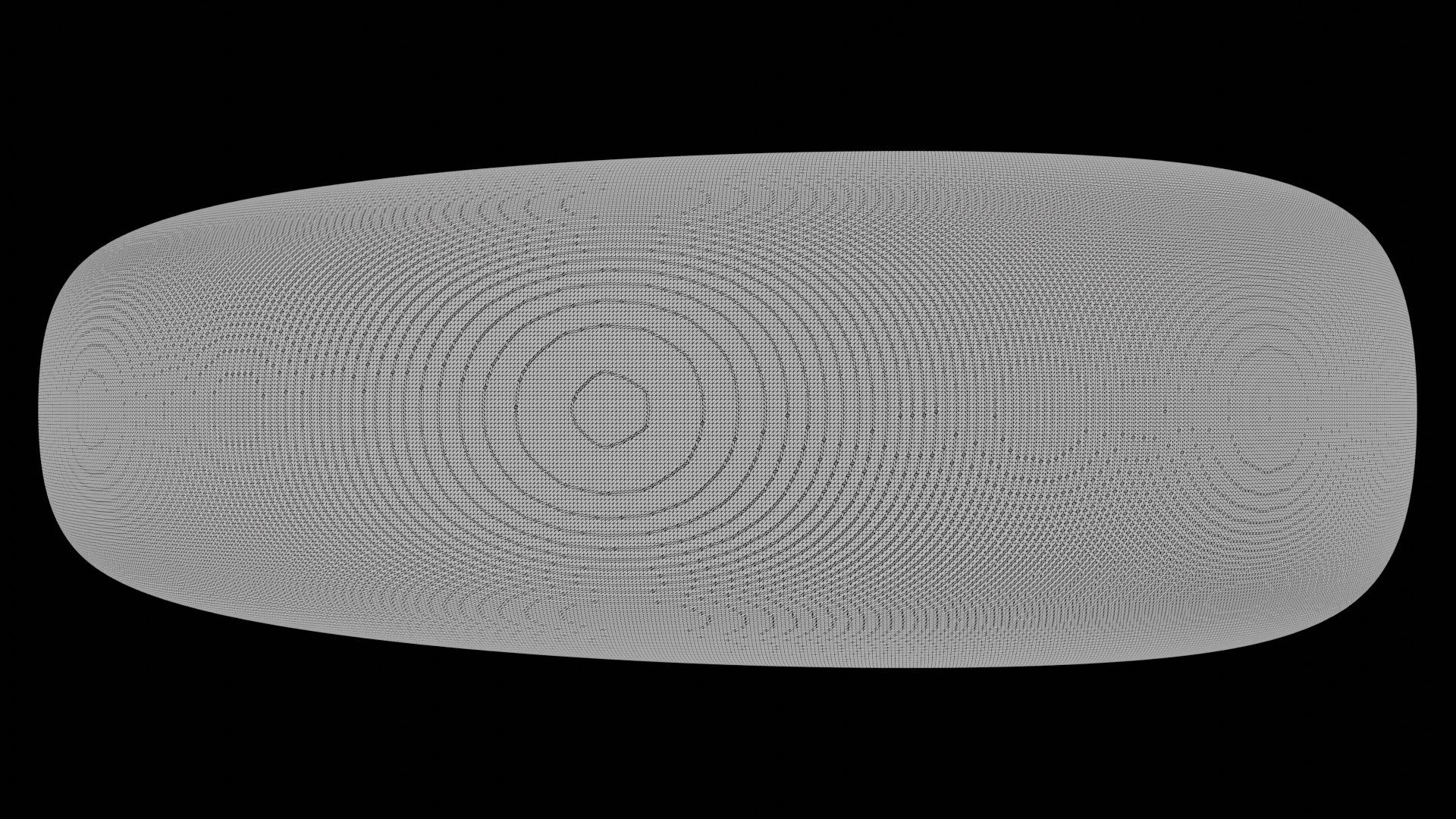
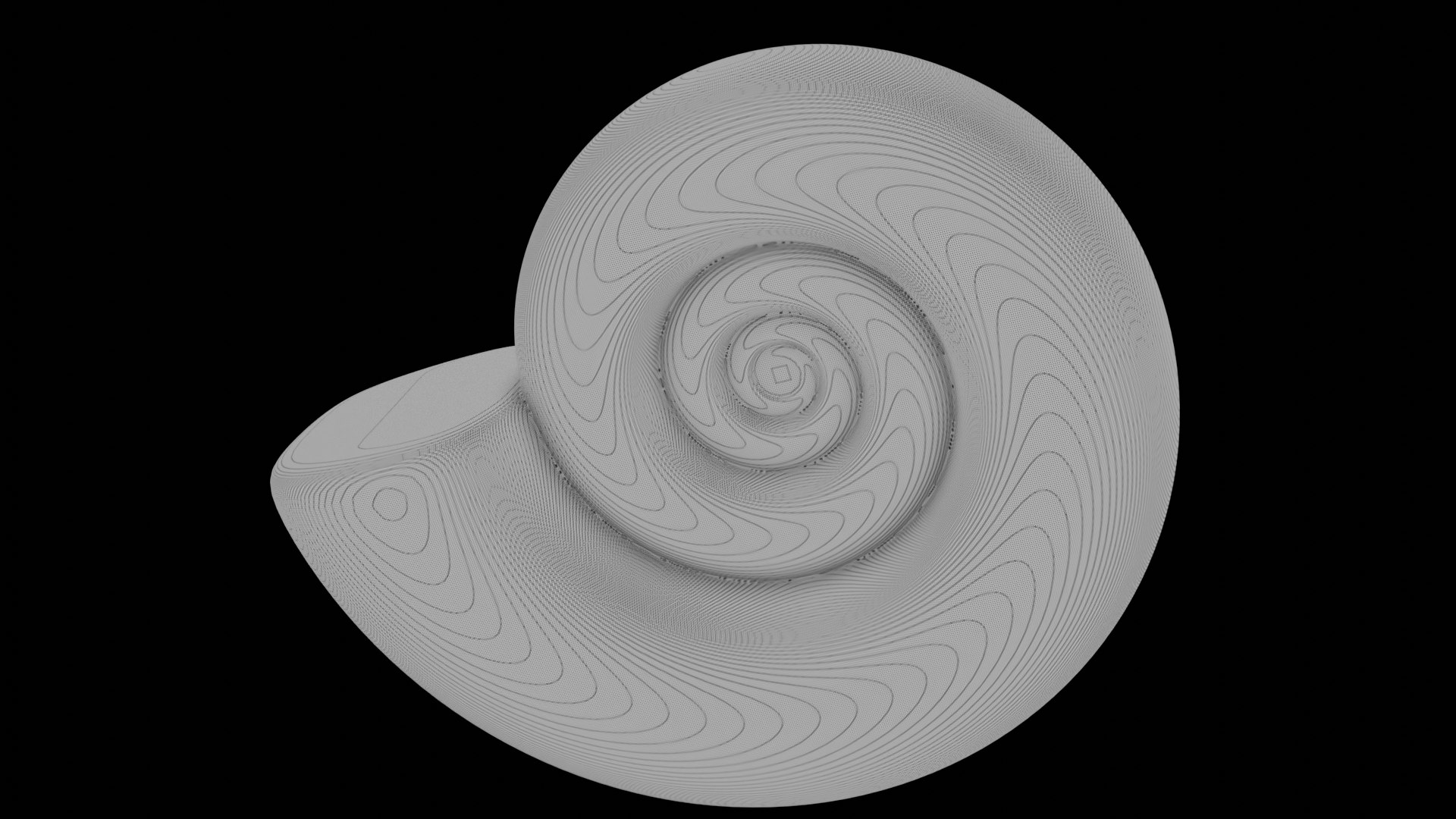
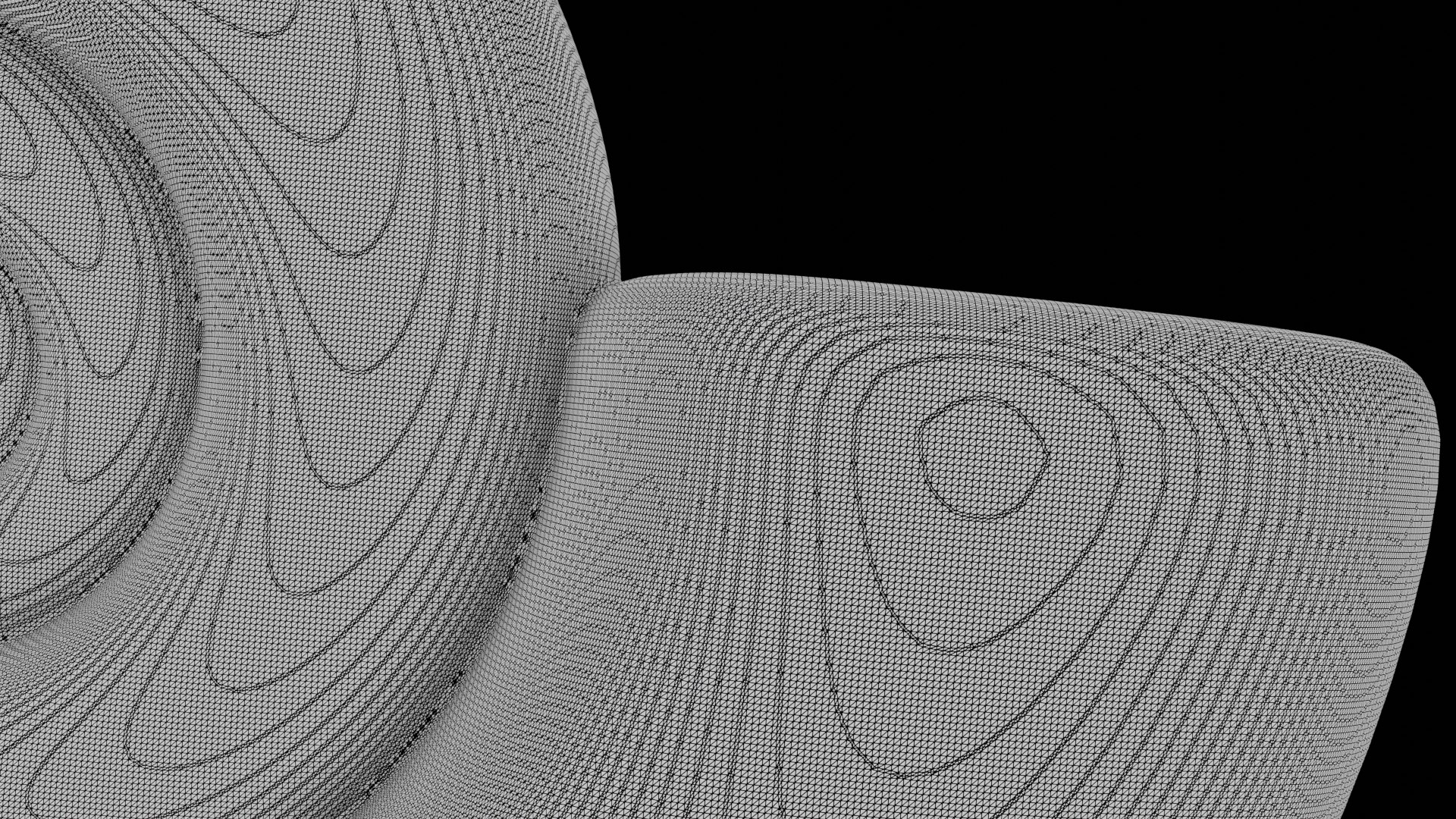
This model emulates the somewhat serpenticonic shell (i.e., shaped like a coiled snake) of Eocanites Librovich, 1957 that shows a subcuadrate whorl profiles. The sutures (i.e., an ammonoid suture is the wavy line of contact between the inner shell wall and the septa, or walls, that separate the chambers in an ammonoid's Shell) of this group show only eight lobes; two lobes on flanks, first lateral lobe considerately longer than second. Sutural formula: EALUI [German], VLU:ID [Russian].
Ammonoids are a group of mollusks, more specifically cephalopods (which include octopuses, squids, cuttlefish, nautiloids, and others), that inhabited seas and oceans, first appearing in the Devonian period, around 419 million years ago. They went extinct alongside the dinosaurs during the mass extinction at the end of the Cretaceous period, approximately 66 million years ago. Ammonoids were a highly diverse and abundant group. At first glance, they resembled the modern Nautilus species, as they possessed an external shell that housed most of the animal's body. However, they are more closely related to coleoids, the group that includes octopuses, squids, and cuttlefish. Like the modern Nautilus, ammonoids had an external shell made of calcium carbonate (aragonite), subdivided into two components: the phragmocone and the living chamber. The phragmocone was divided internally by septa, which defined chambers connected by a ventral tube called the siphuncle. The living chamber contained most of the animal's body and was connected to the phragmocone via the siphuncle. The shell served not only as protection but also as the animal's primary buoyancy mechanism. The chambers contained air or another fluid of lower density than water, allowing the animal to regulate its position in the water column by controlling the amount of fluid in the chambers. This process is similar to how submarines fill or empty their ballast tanks to dive or surface. As the animal grew, the number of chambers increased, the size of the living chamber expanded, and consequently, the size of the shell also grew. Generally, ammonoids had shells that formed a flat spiral, but some species had uncoiled forms or deviated from this typical morphology, showing a wide variety of shapes and ornamentations.
By making a purchase, you are helping to fund future research on these fascinating creatures. If you're interested in exploring more fossil models, feel free to check out my profile for other options.