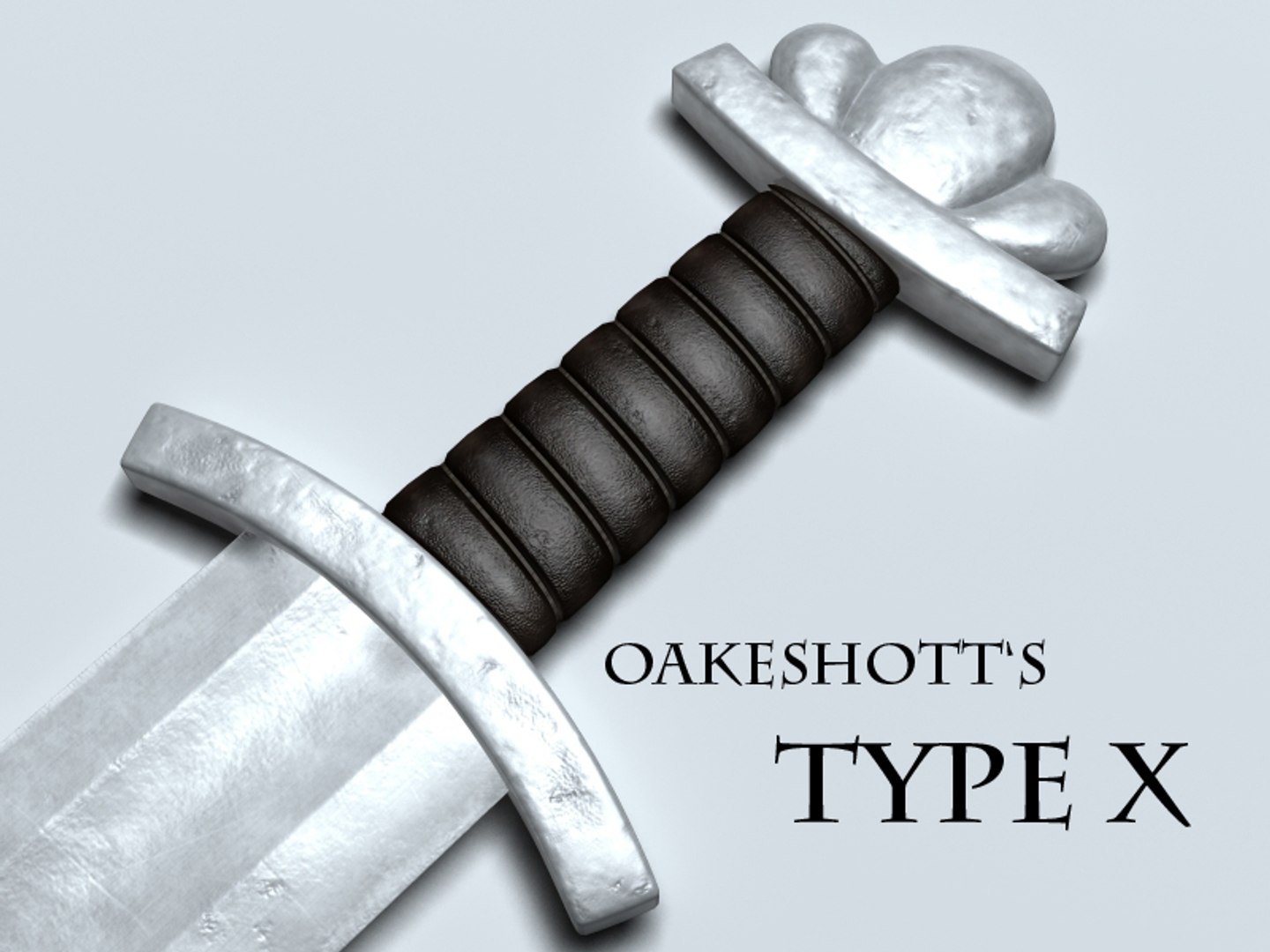
In 1919 Dr. Jan Petersen developed a typology for swords used during the Viking Age. Petersen"s work was exhaustive and every Viking typology developed since has been based on it. In 1927 Dr. R.E.M. Wheeler condensed Petersen"s 26-member typology into a more streamlined 9-member group. When the late Ewart Oakeshott developed his typology of the medieval sword it was only natural that he begin where his fellow scholars had ended. Consequently, Oakeshott designated the first member of his system with the Roman numeral X as a means to illustrate a continuance from Wheeler"s designations of I through IX.
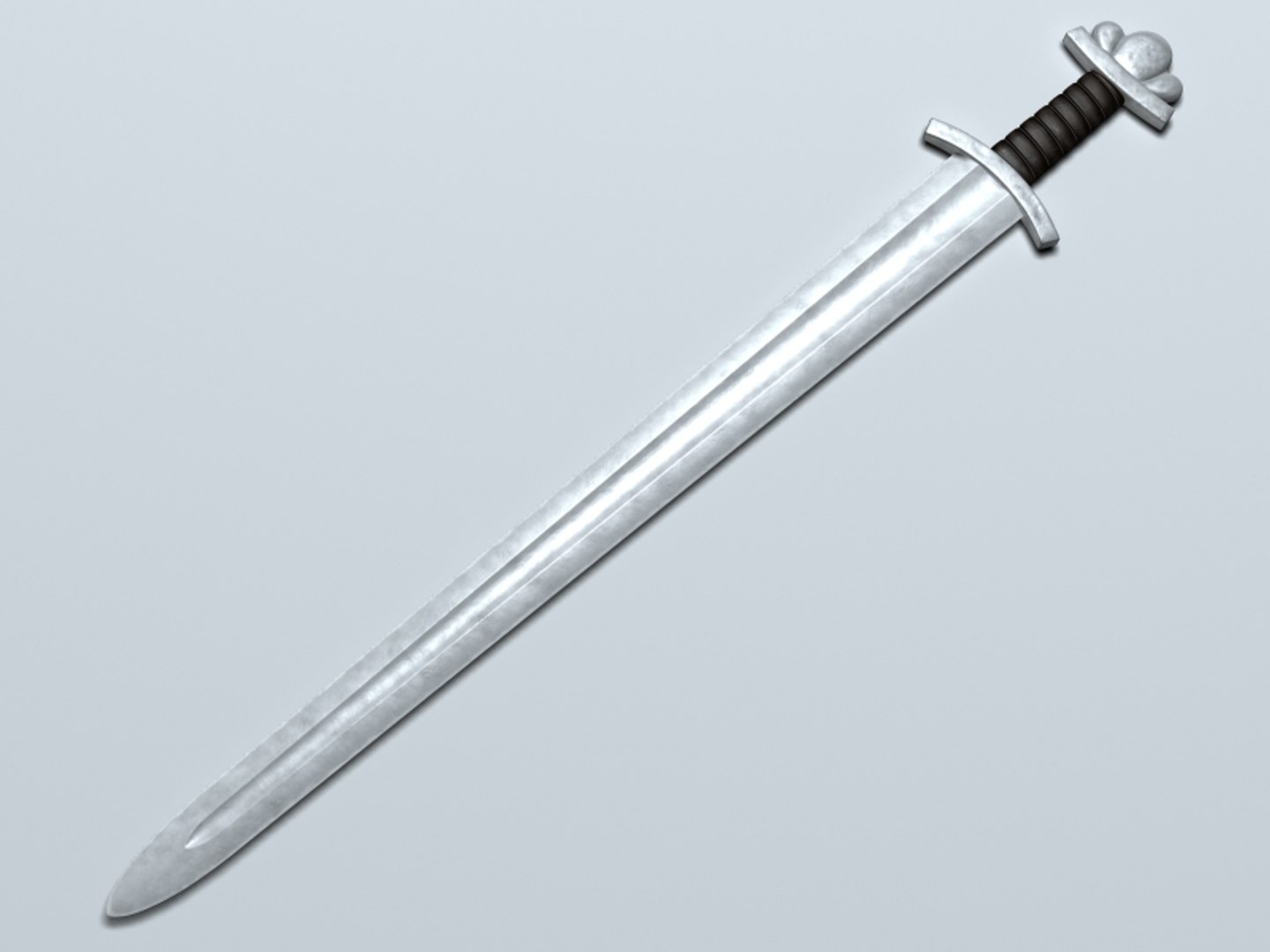
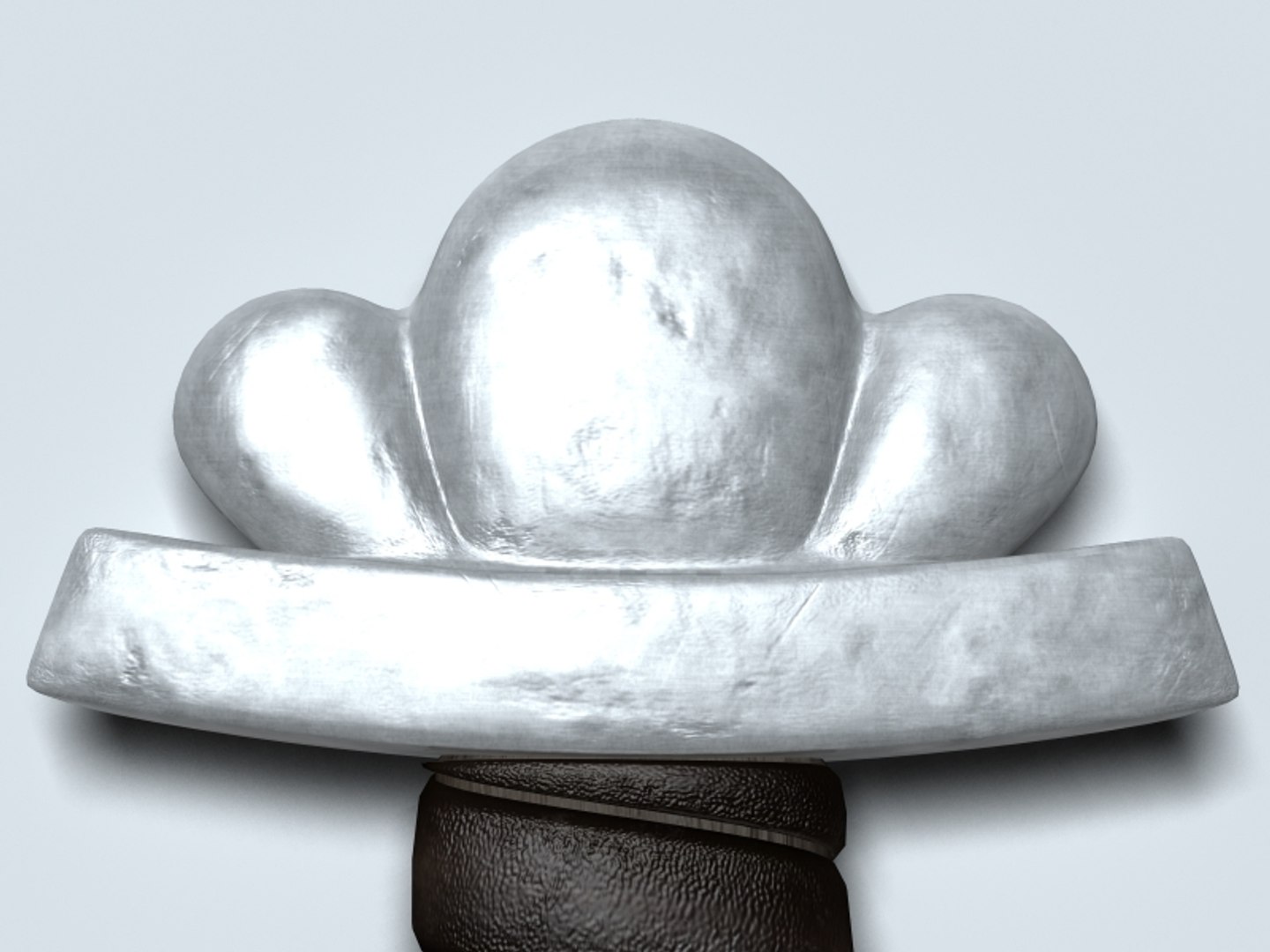
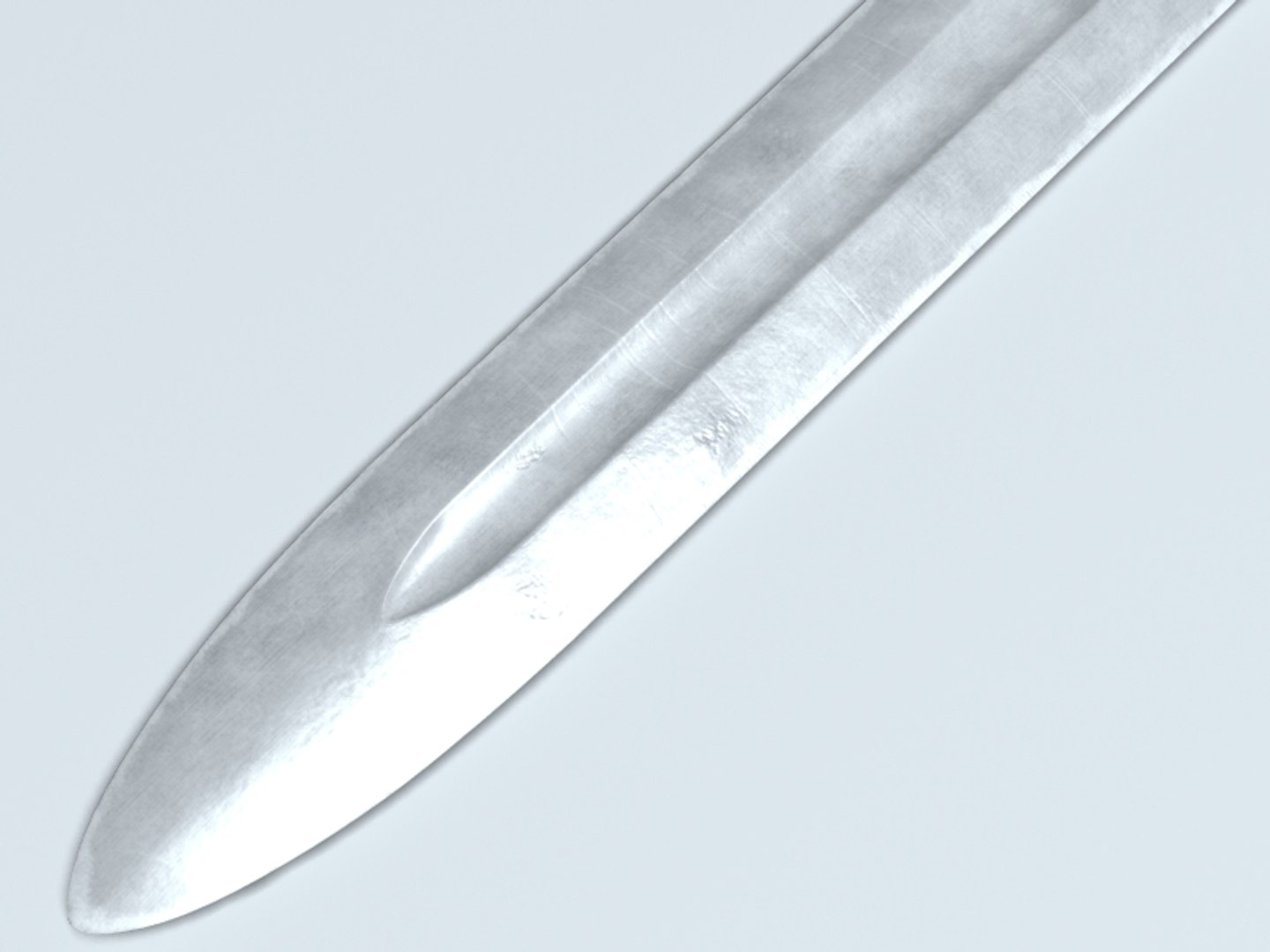
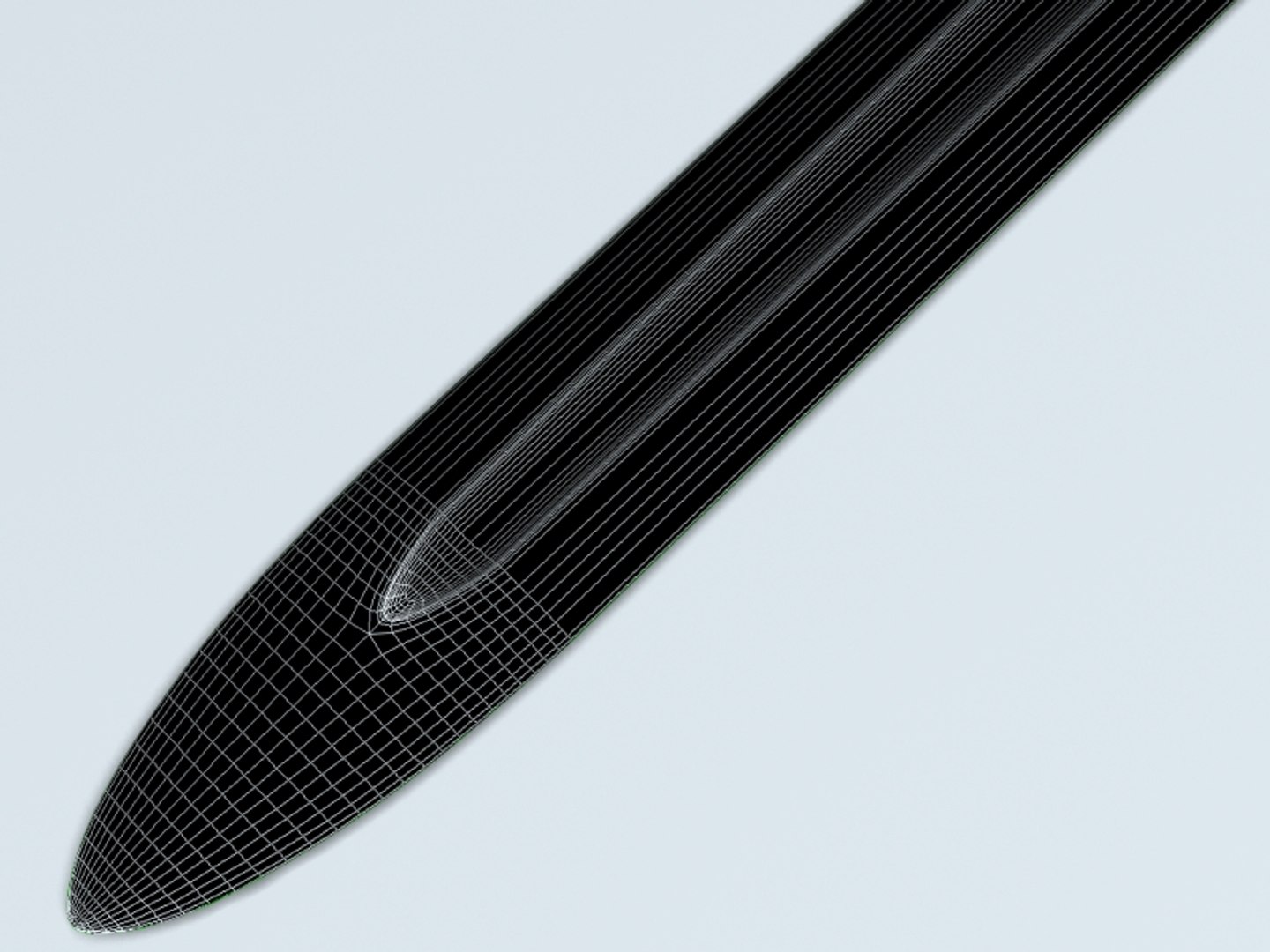
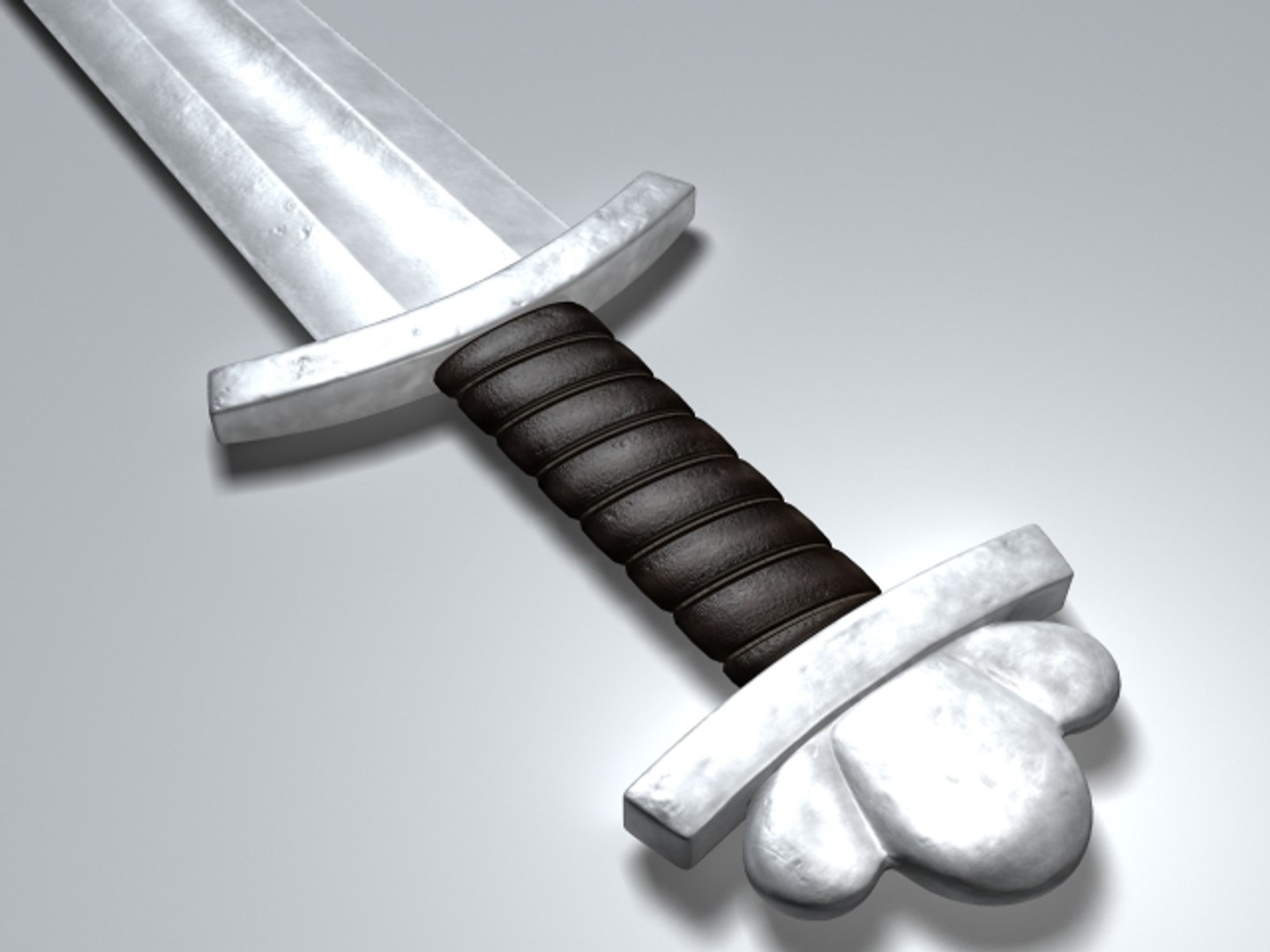
Seeing use throughout the Viking Age and well into the Middle Ages, the Type X was arguably in use longer than any other blade type. While the basic form of the blade did not see dramatic changes throughout its life span, there were changes in its geometry. In 1991 Alfred Geibig developed a typology that outlines these changes as they occurred during the Viking Age. Both Petersen and Wheeler emphasized hilt design, largely ignoring the details of blade design. Geibig"s real contribution to the study of the sword comes from his categorizing of the Type X in terms of changes in blade length, fuller length and shape, profile taper, and point design. Oakeshott X describes the type of sword common in the late Viking age, remaining in use up to the 13th century. They feature broad and flat blades, with an average length of some 80 cm (2.6 feet) and with a fuller, generally very wide and shallow, running almost the entire length, but fading out shortly before the point. The point is typically rounded. The grip has the same average length as the earlier Viking swords (some 9.5 cm or 3.7 inches). 10th-century Norsemen knew this type and called it gaddhjalt (spike hilt). The pommels usually take a Brazil-nut form, and sometimes also a disk-shape.
It is my aim to build the Oakeshott typology as 3d models. I value realism and authenticity so all my models were created using historical models.
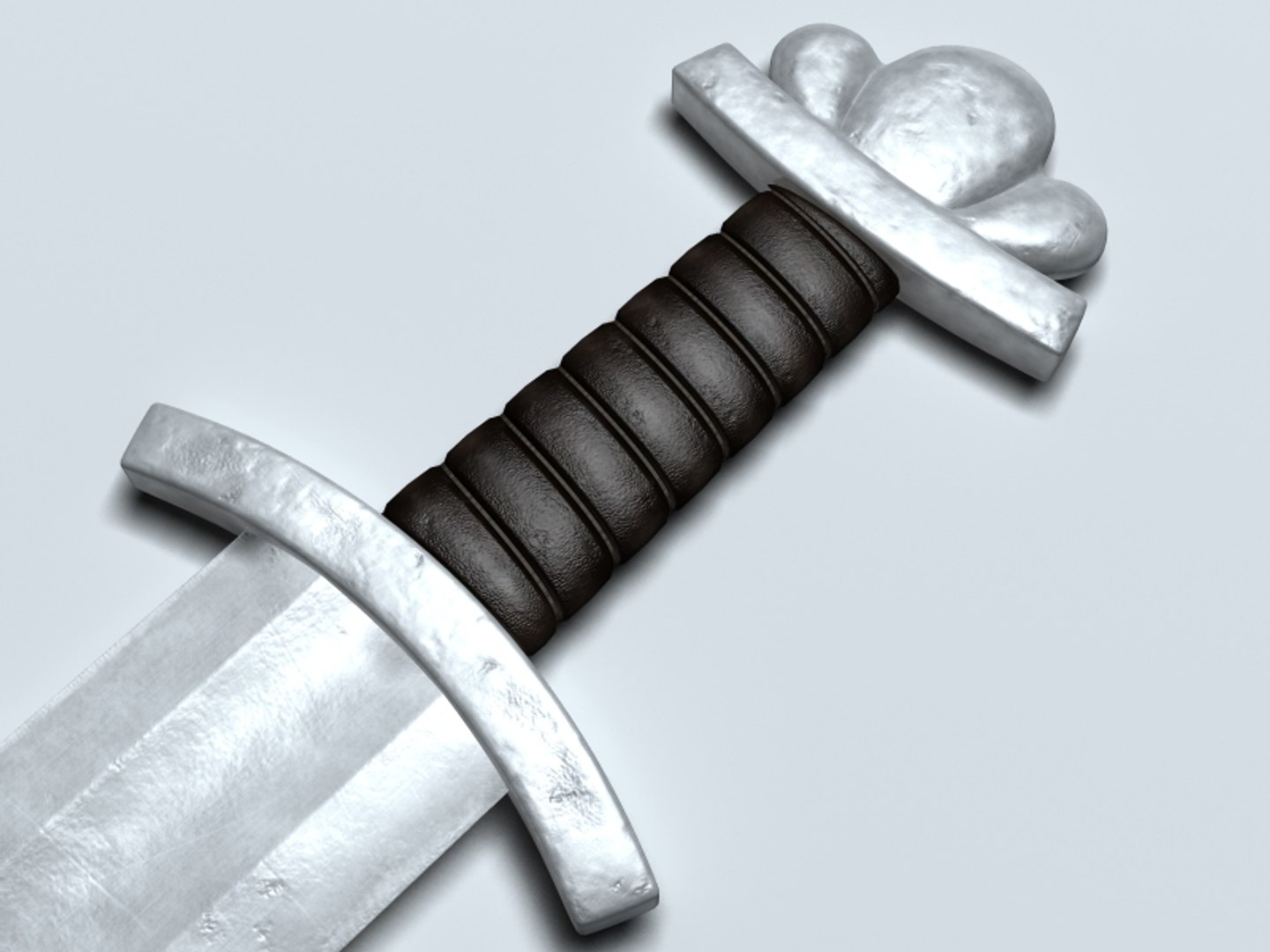
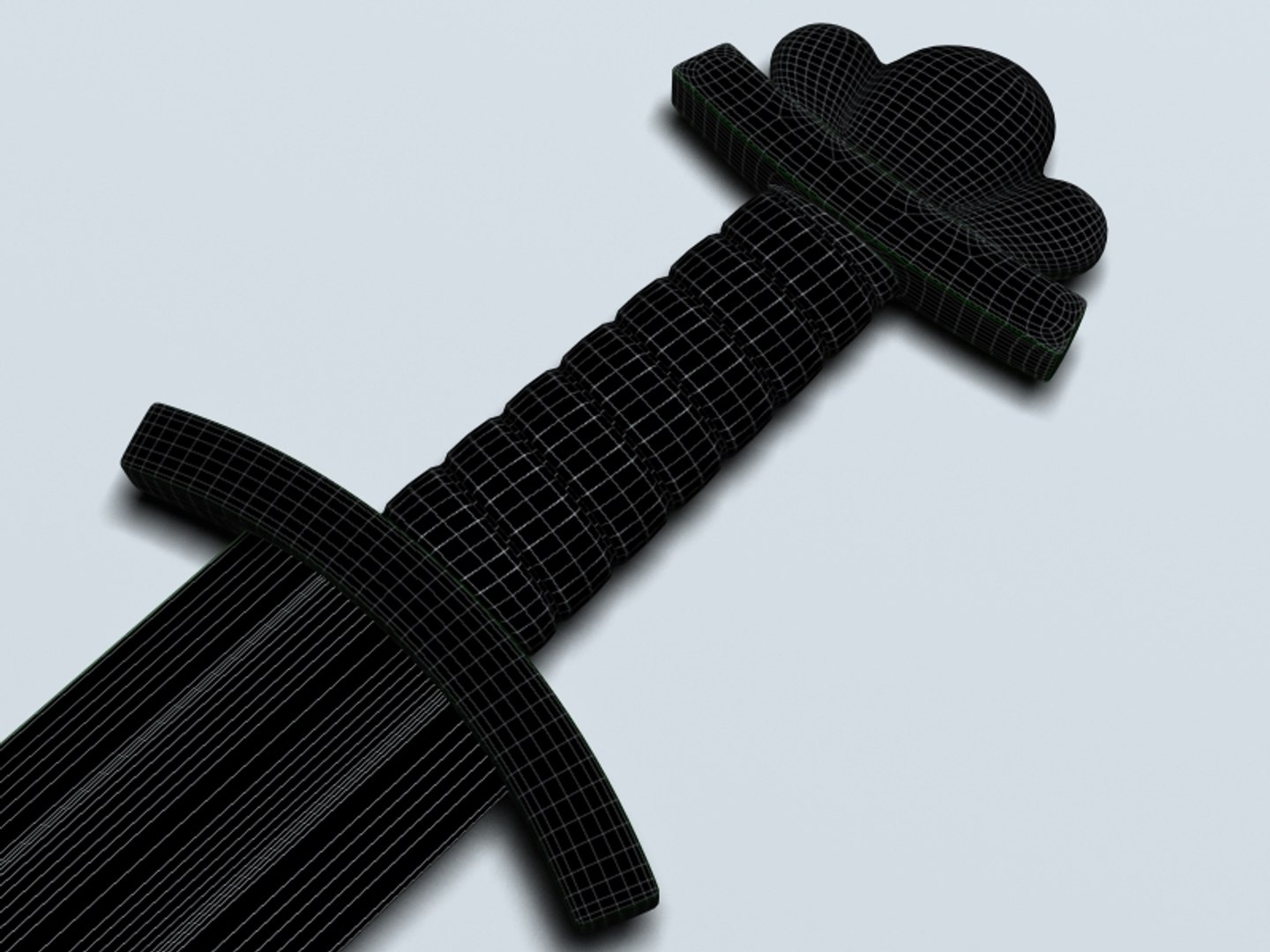
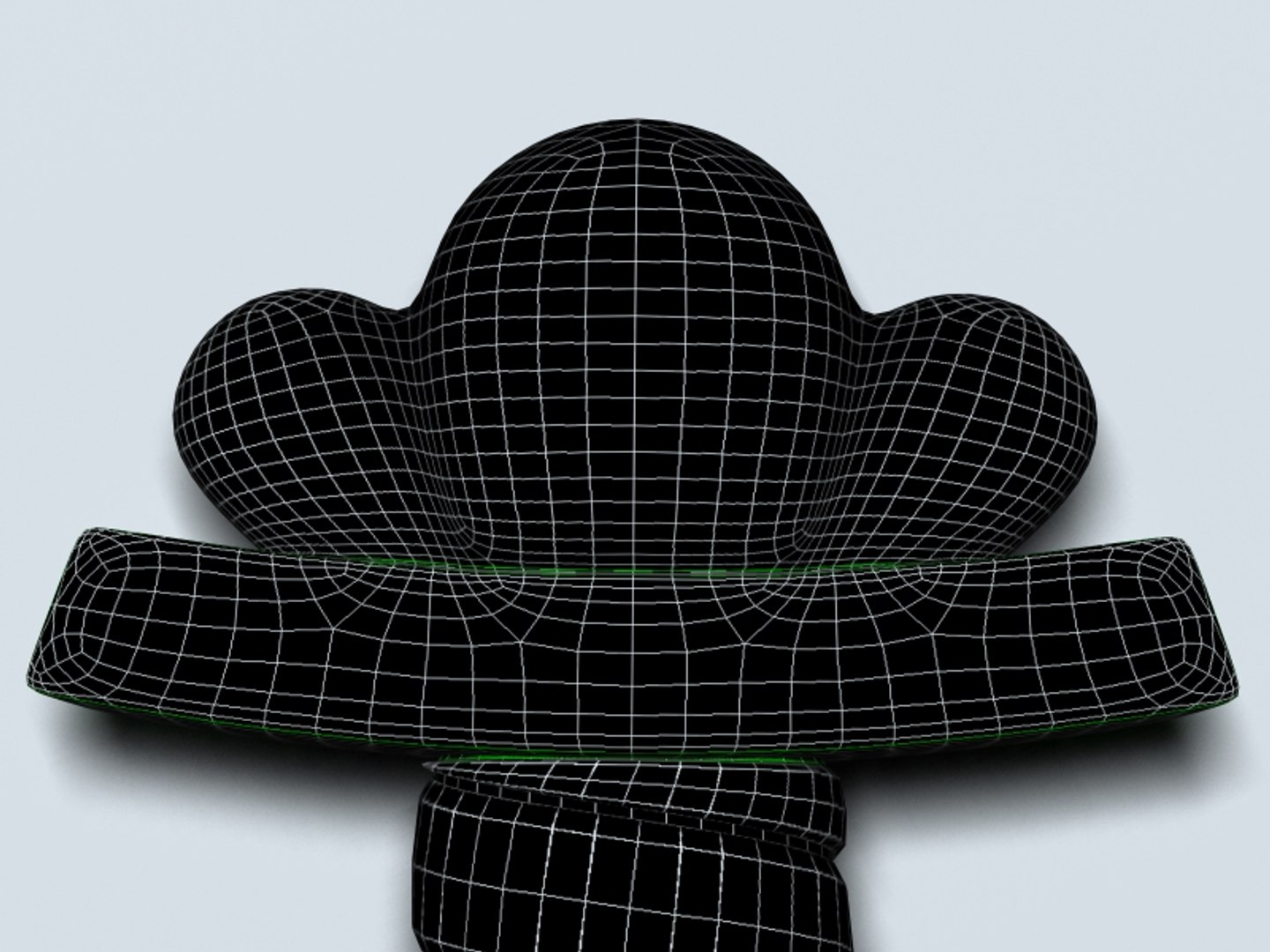
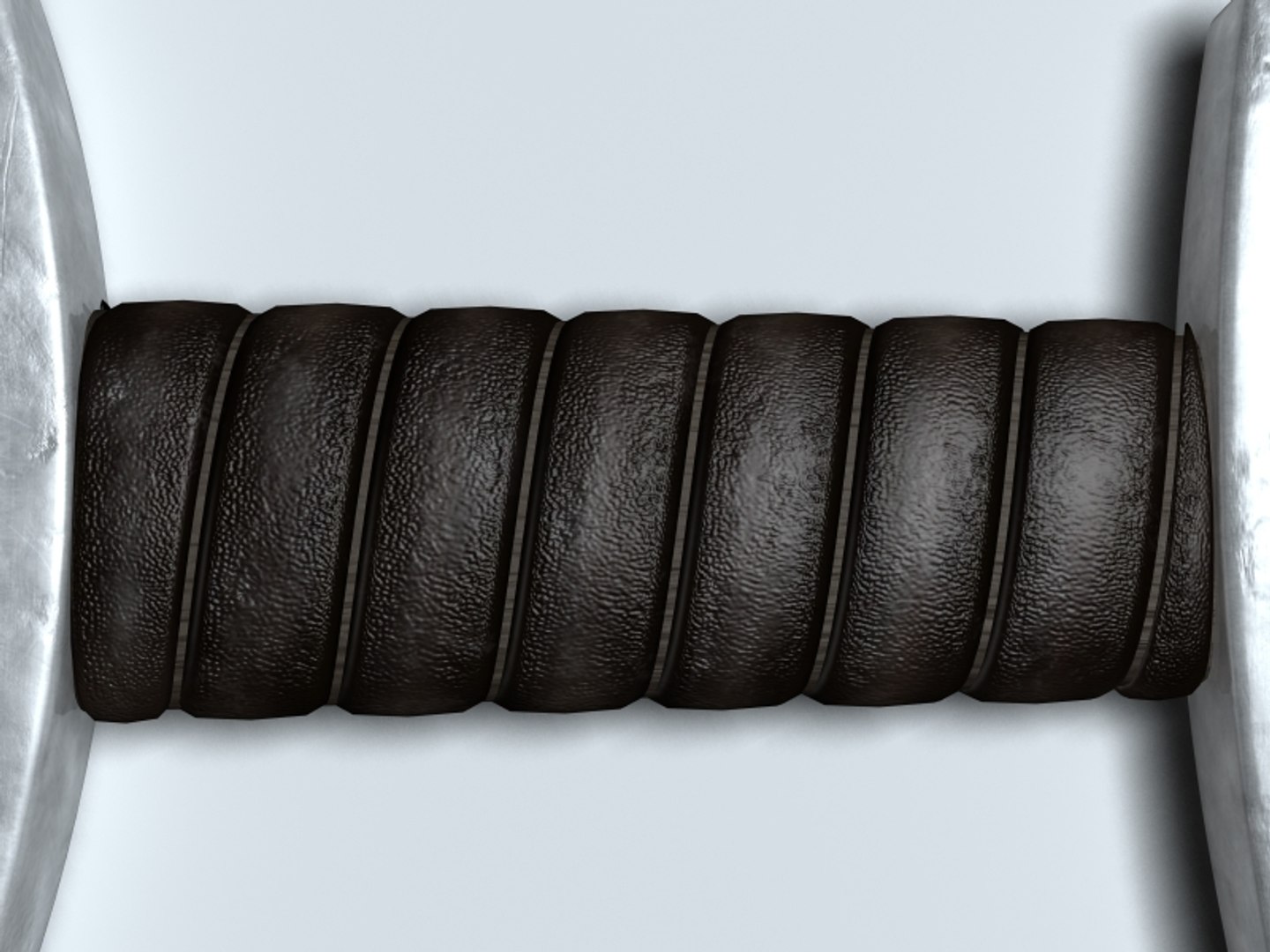
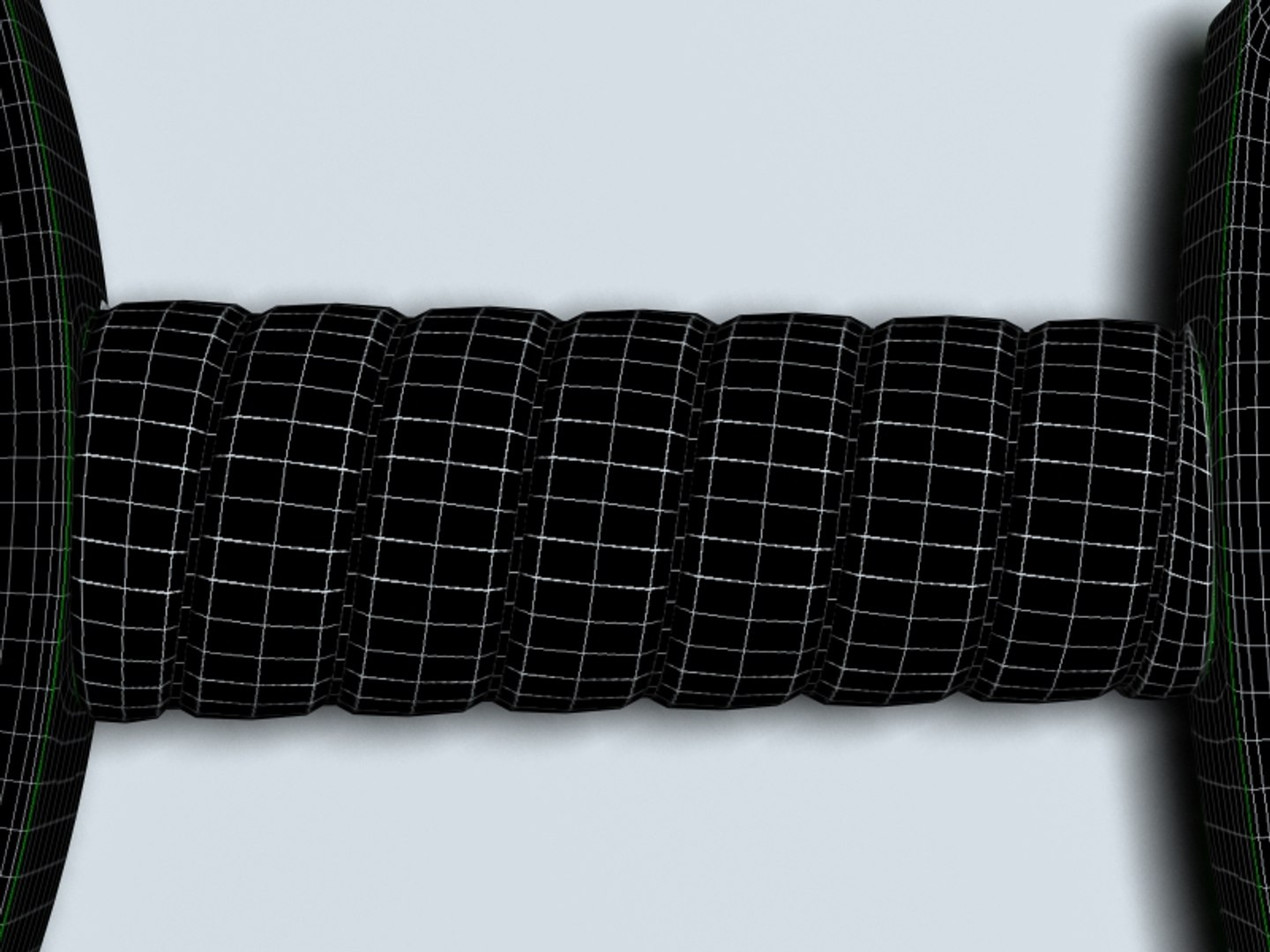
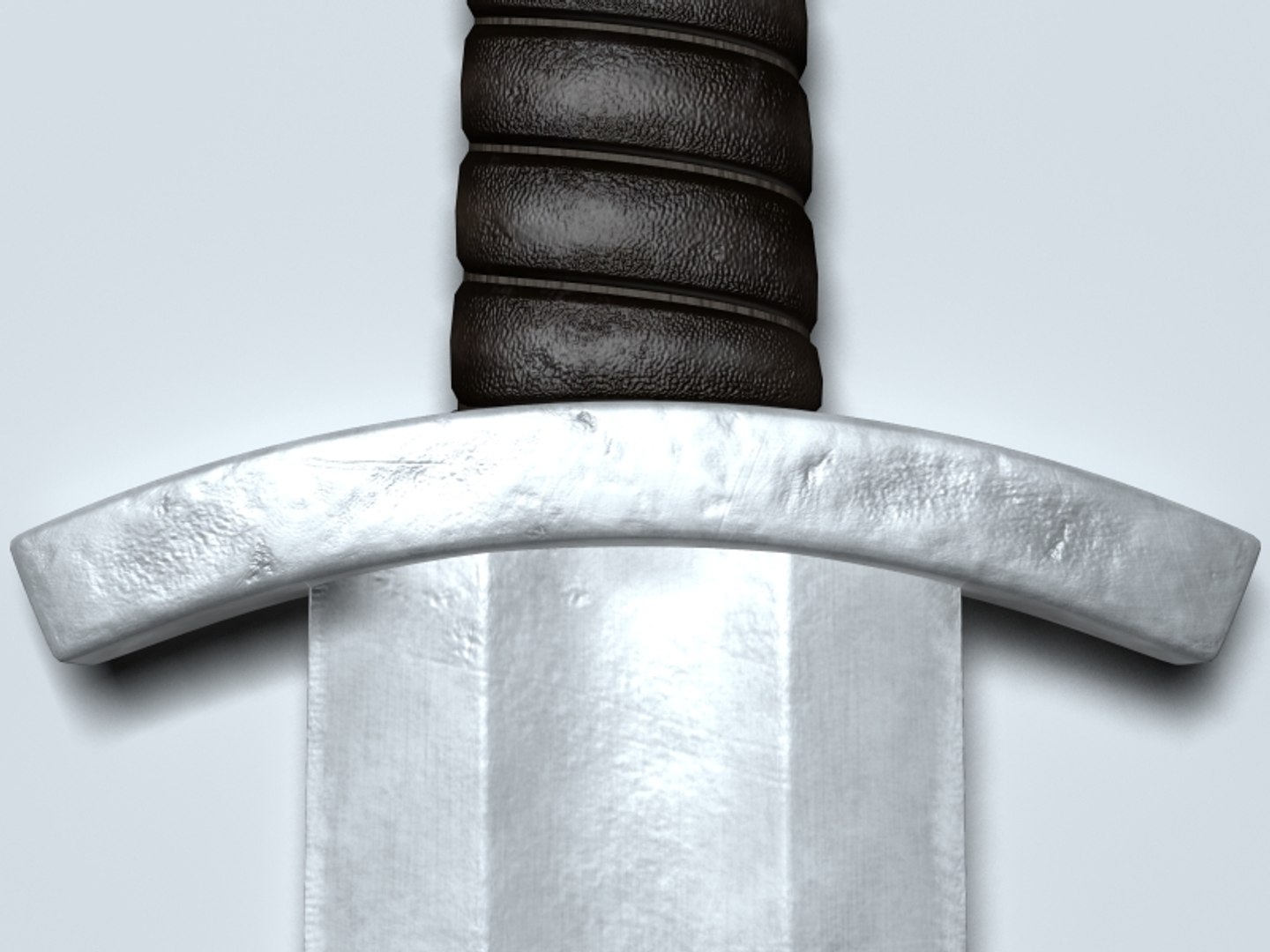
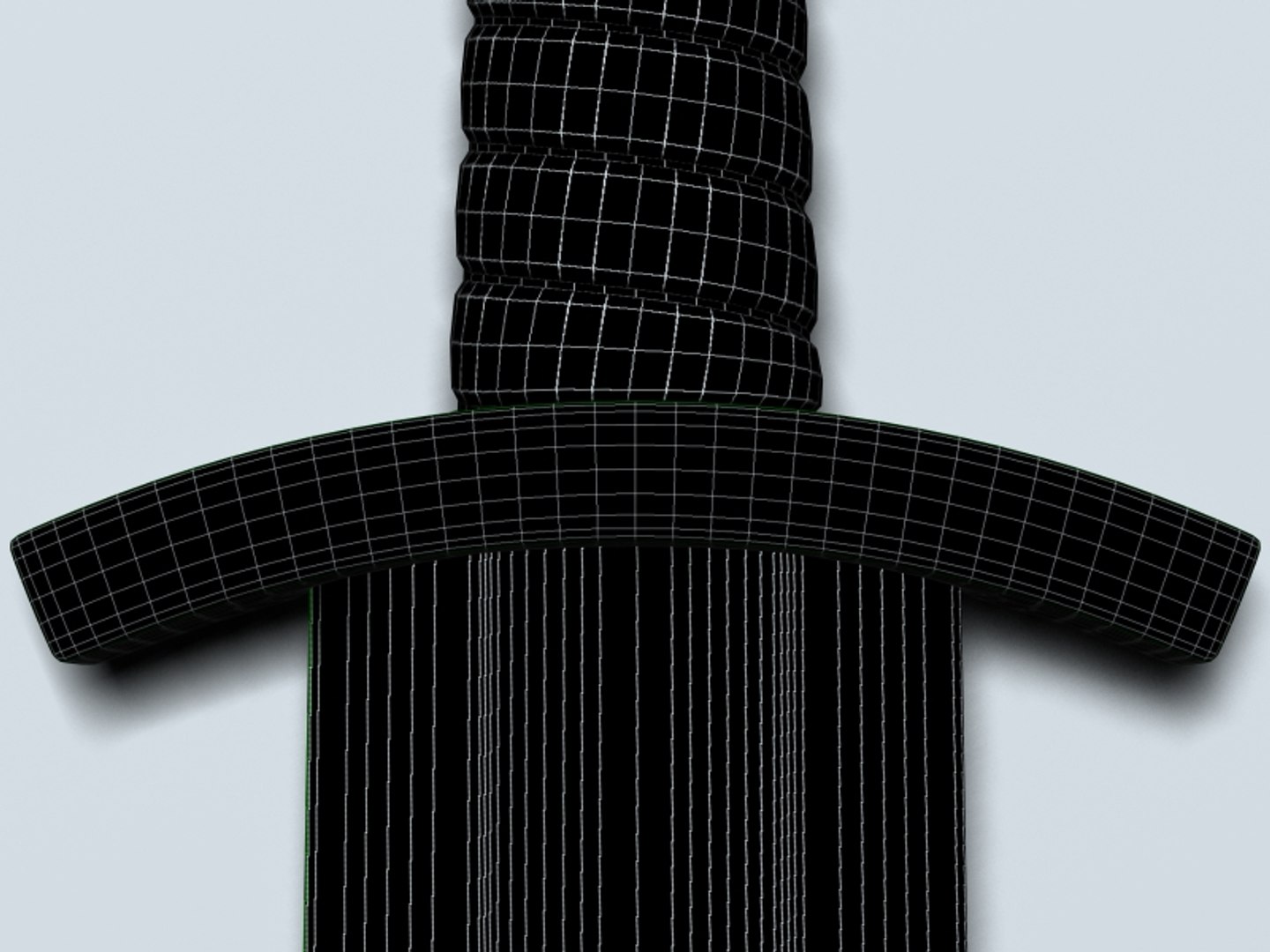
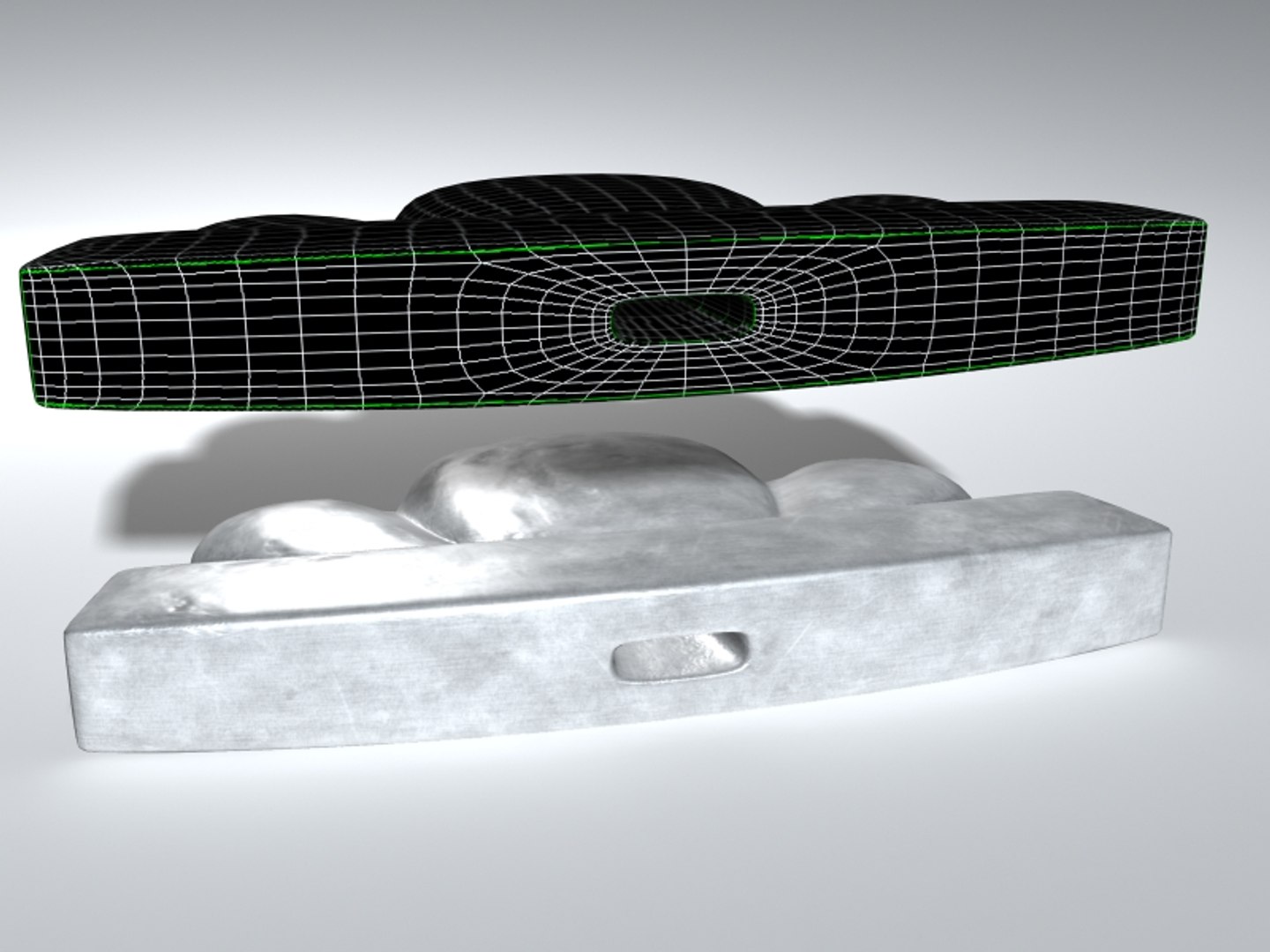
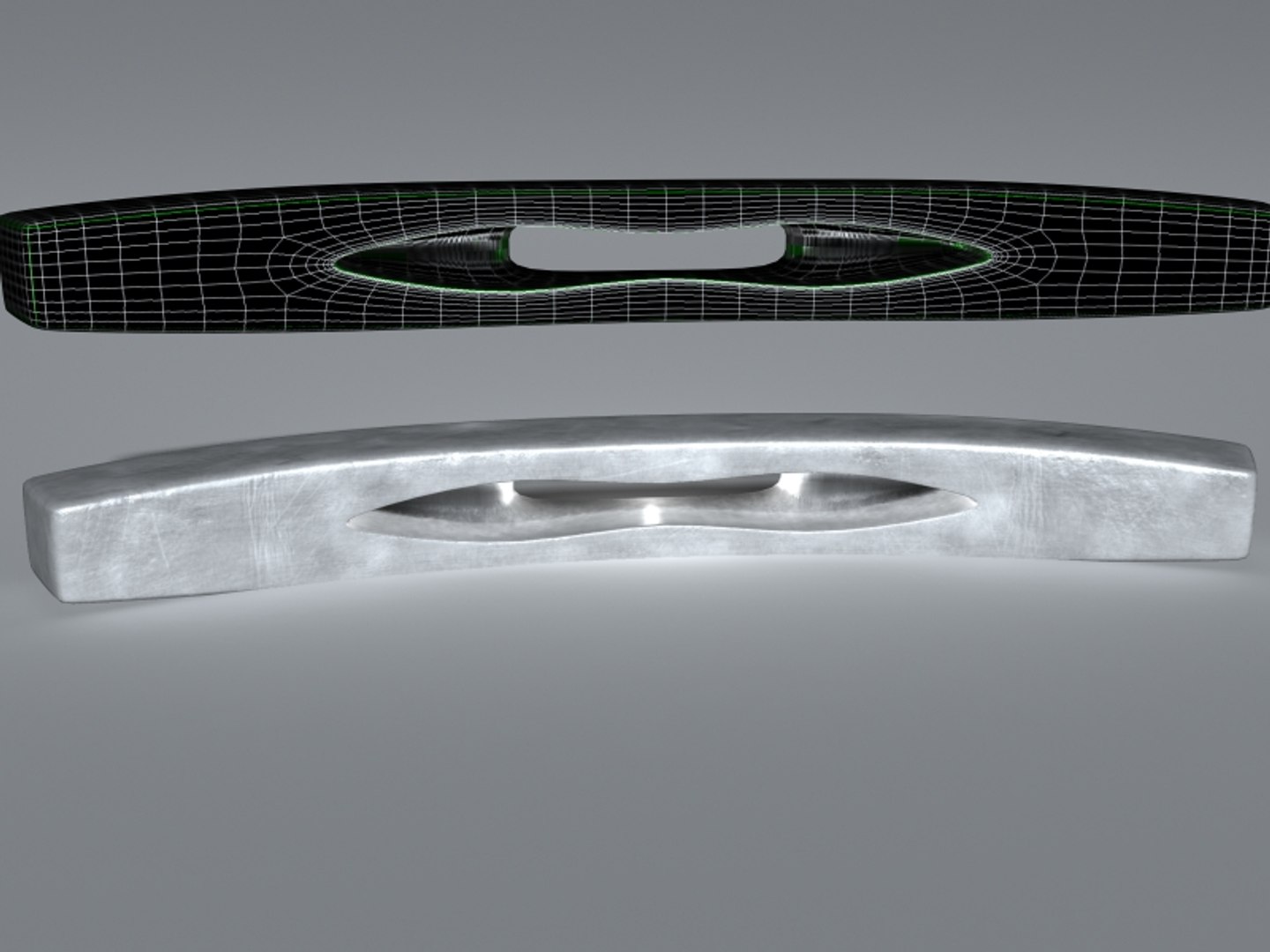
My models are available as high-poly and low-poly (game-ready). The geometry is based on historical styles, the materials and textures are designed to medieval conditions. It should be noticed that I did not try to create a stainless steel effect for the sword, but I was concentrating on the natural wear and imperfections of the material as allowed by the method of production at that time.
The model was created in 3ds Max 2011, for detailed editing, I used Mudbox 2011. Textures were created using Mudbox and Photoshop, also using photos.
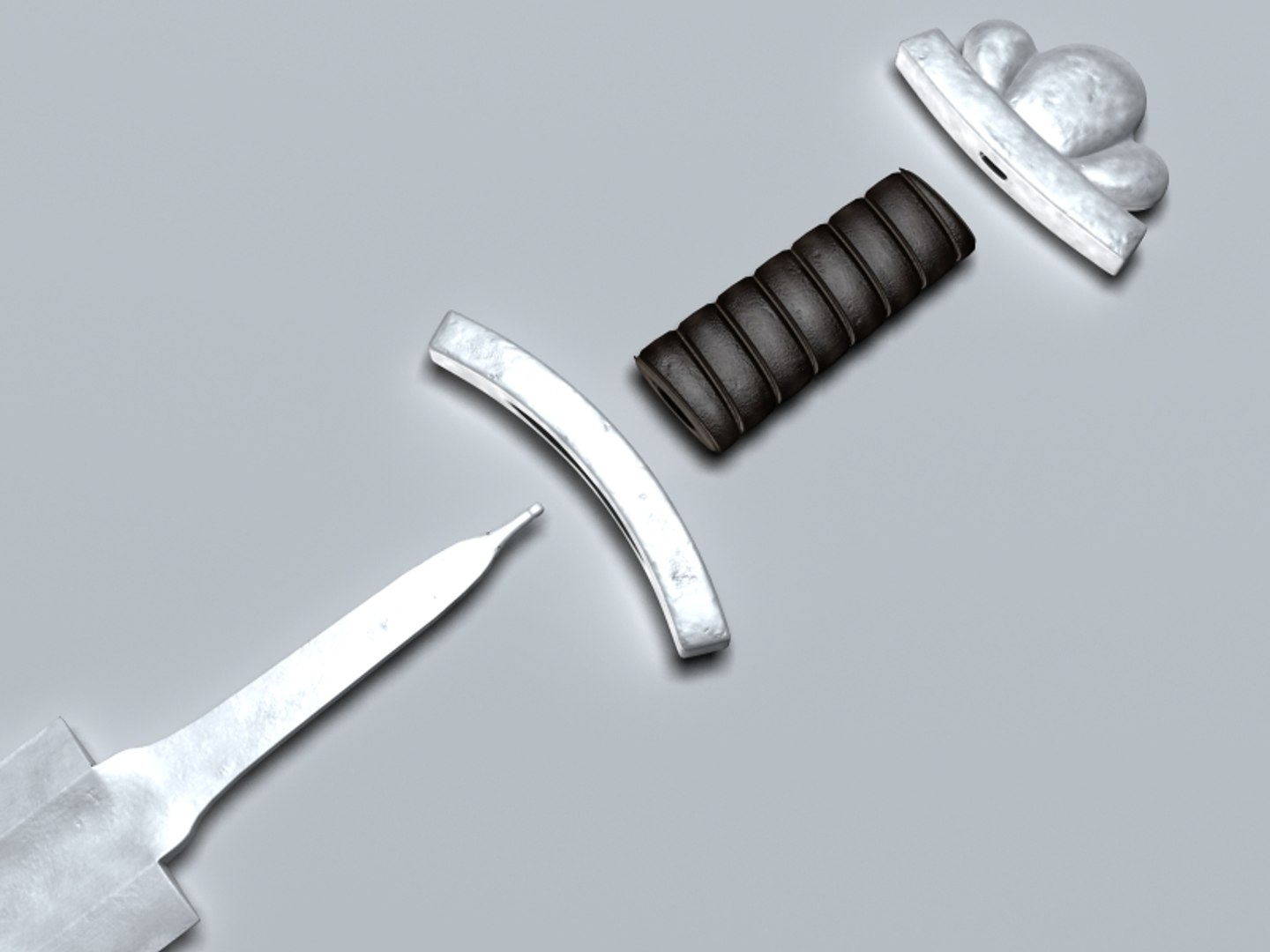
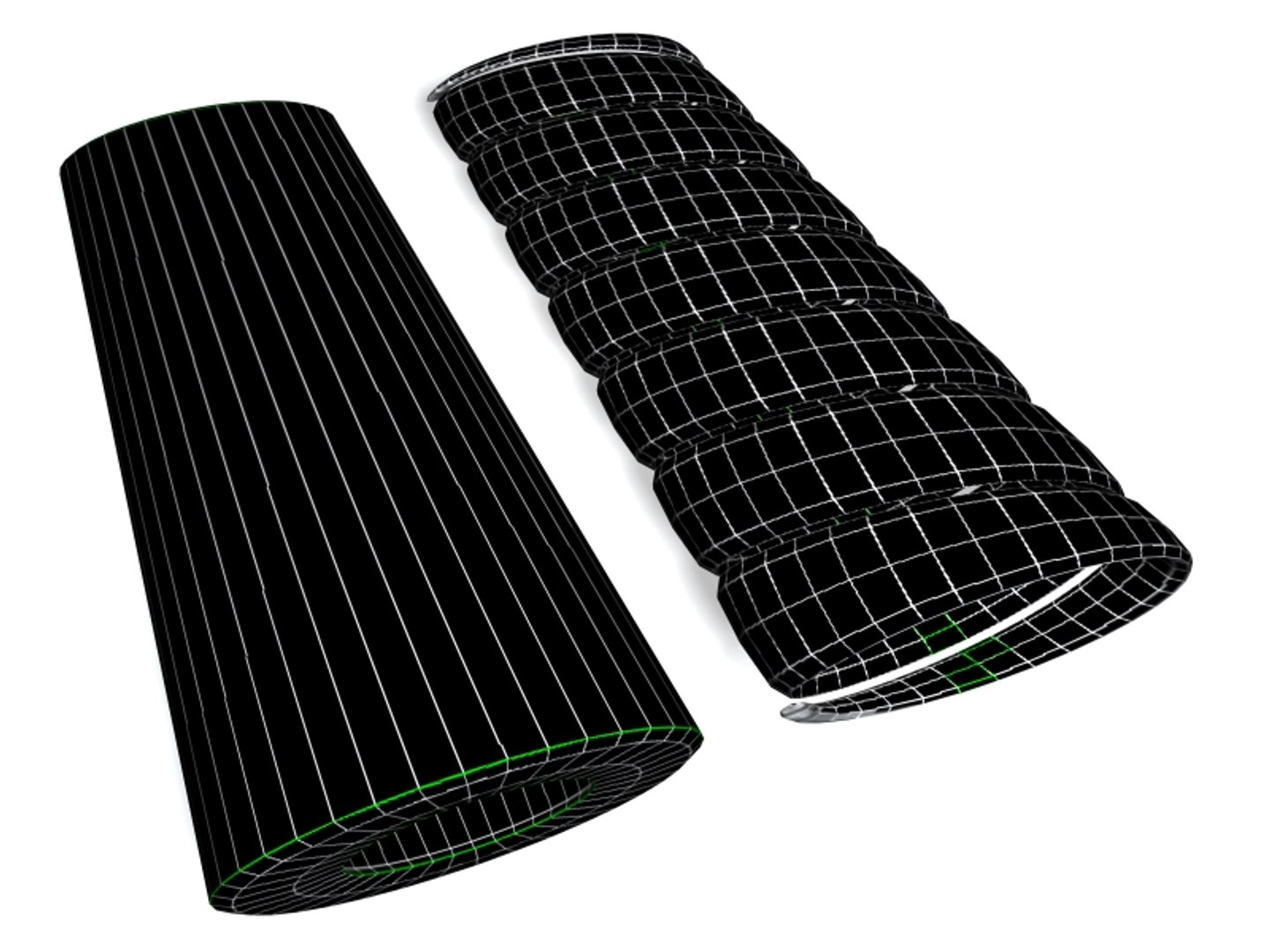
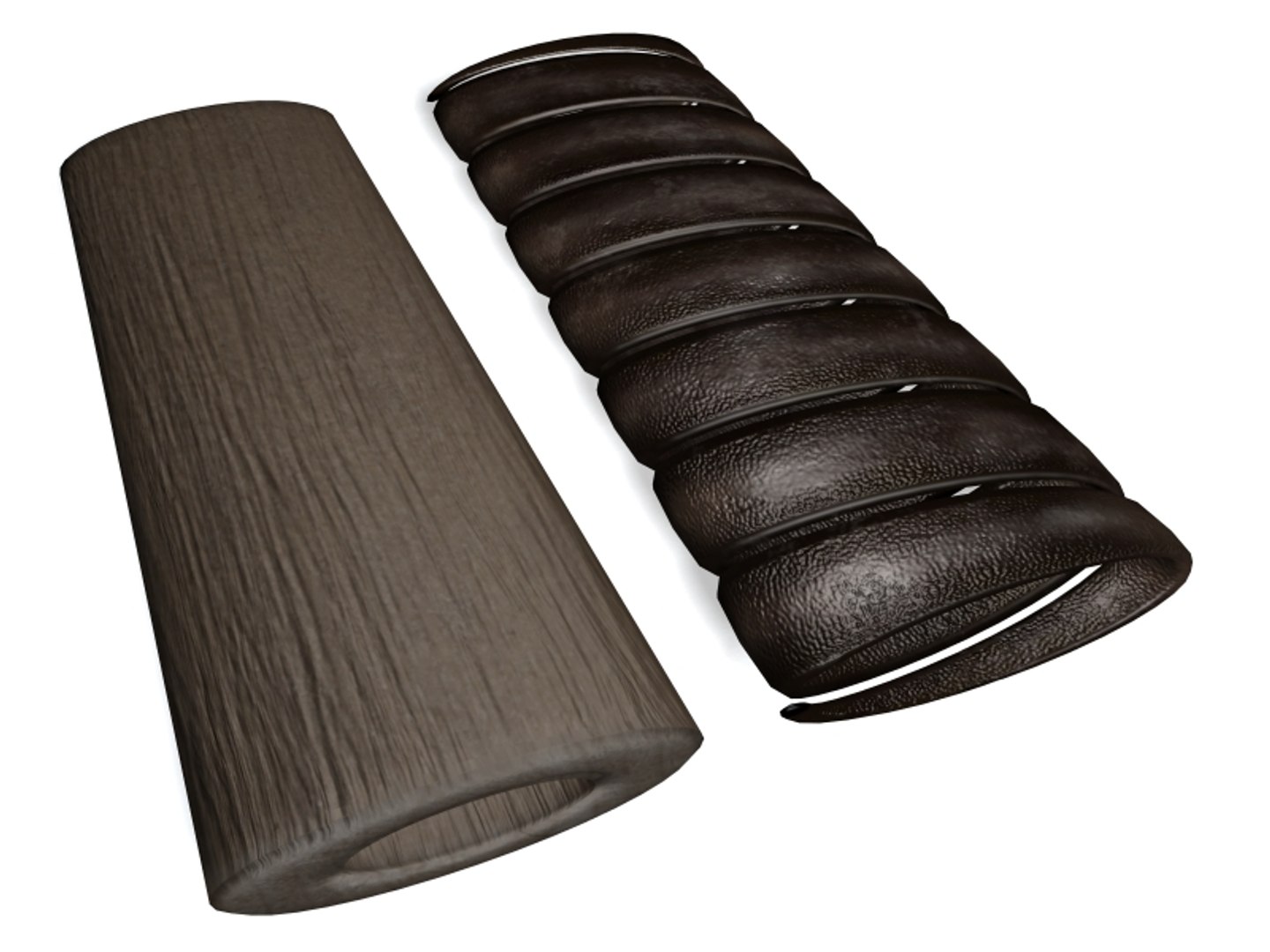
Every single part of the sword is separate, that is, the blade, crossguard, grip and pommel are each an individual object. Each of these parts are completely modeled and textured, so the sword can be disassembled into its components. In addition, the entire model is built in realistic dimensions, so it can immediately be used in any scene.
I use three textures for my models: diffuse map, normal map and specular map. Each of these textures is 4096 x 4096 pixels. Each object uses these textures so the UVW coordinates of each part of the sword are all on one texture.
Beacuse the textures were largely created in Mudbox, there are no unsightly seams between the UVW edges, but smooth transitions. The sides were not mirrored, each one was processed by hand.
For the sword only standard materials were used so the model is usable without additional renderer.