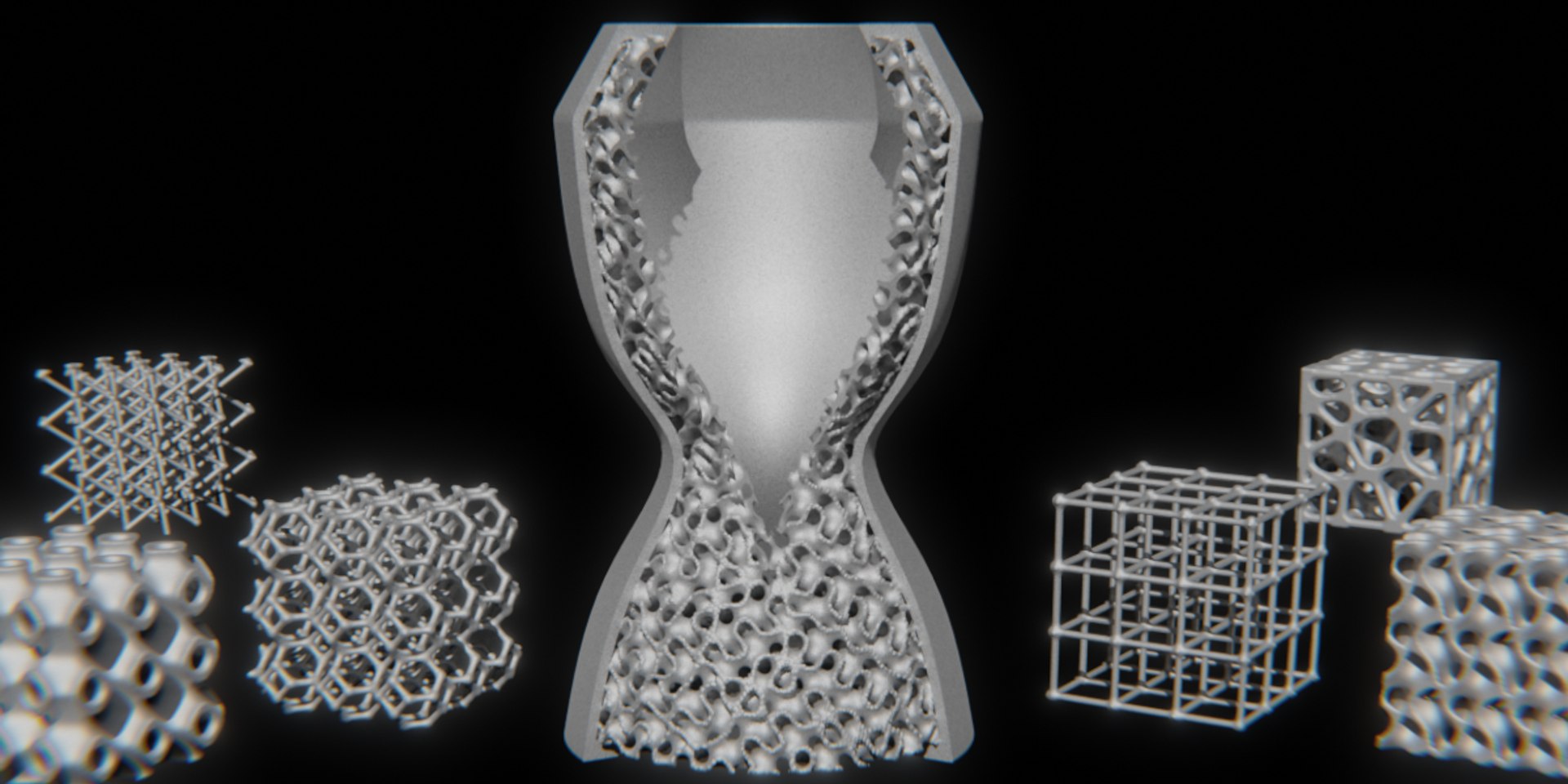
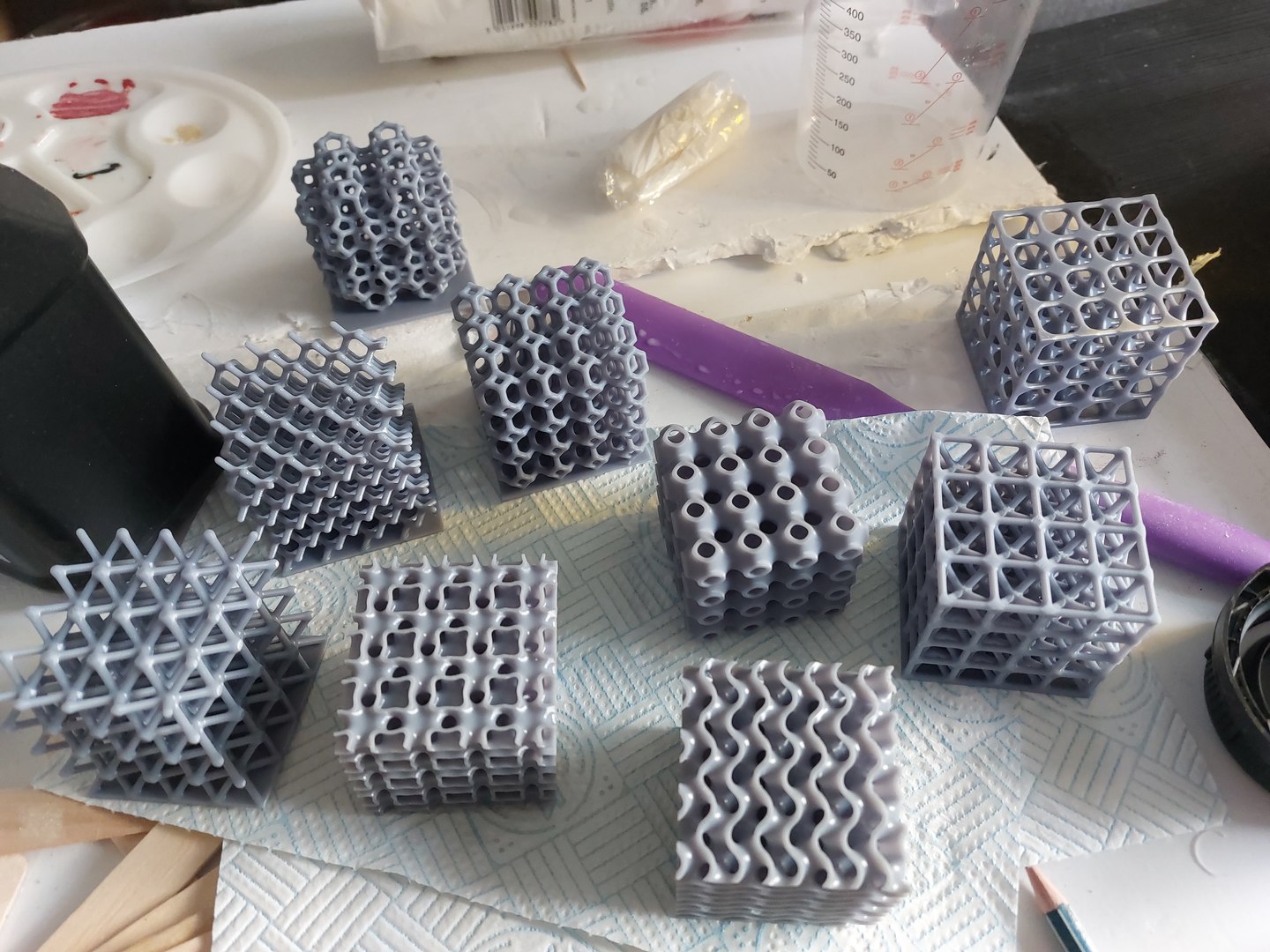
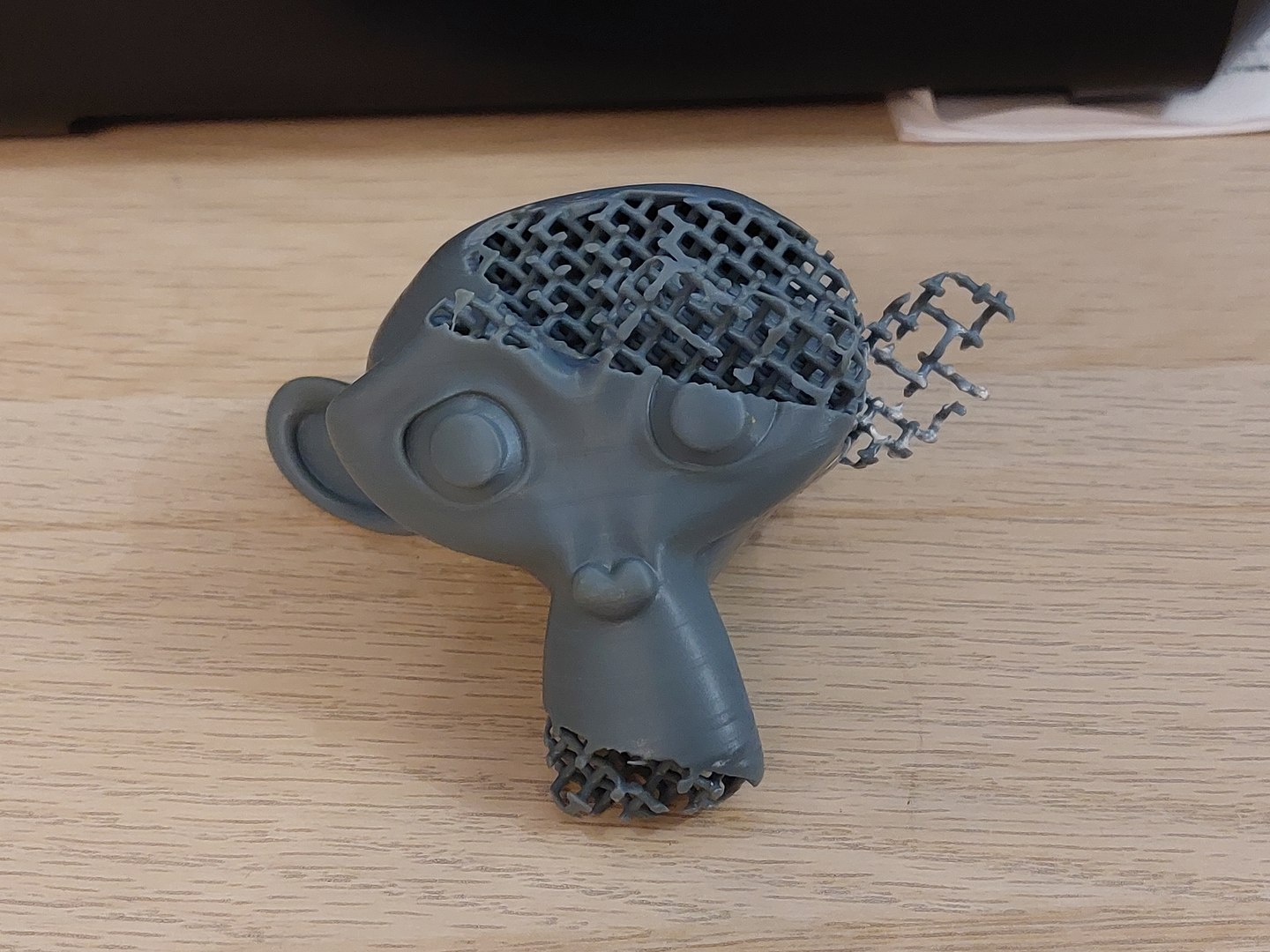
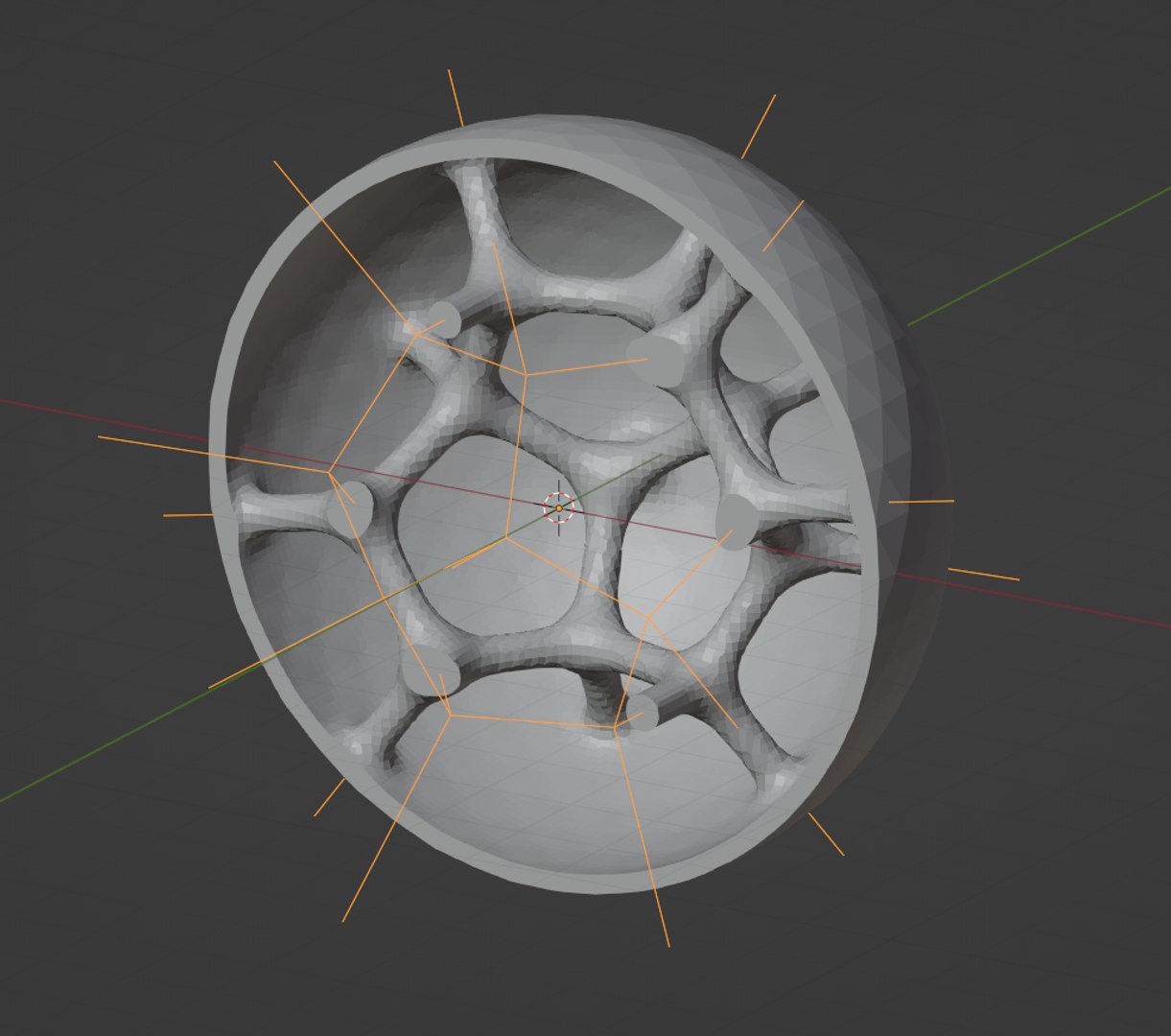
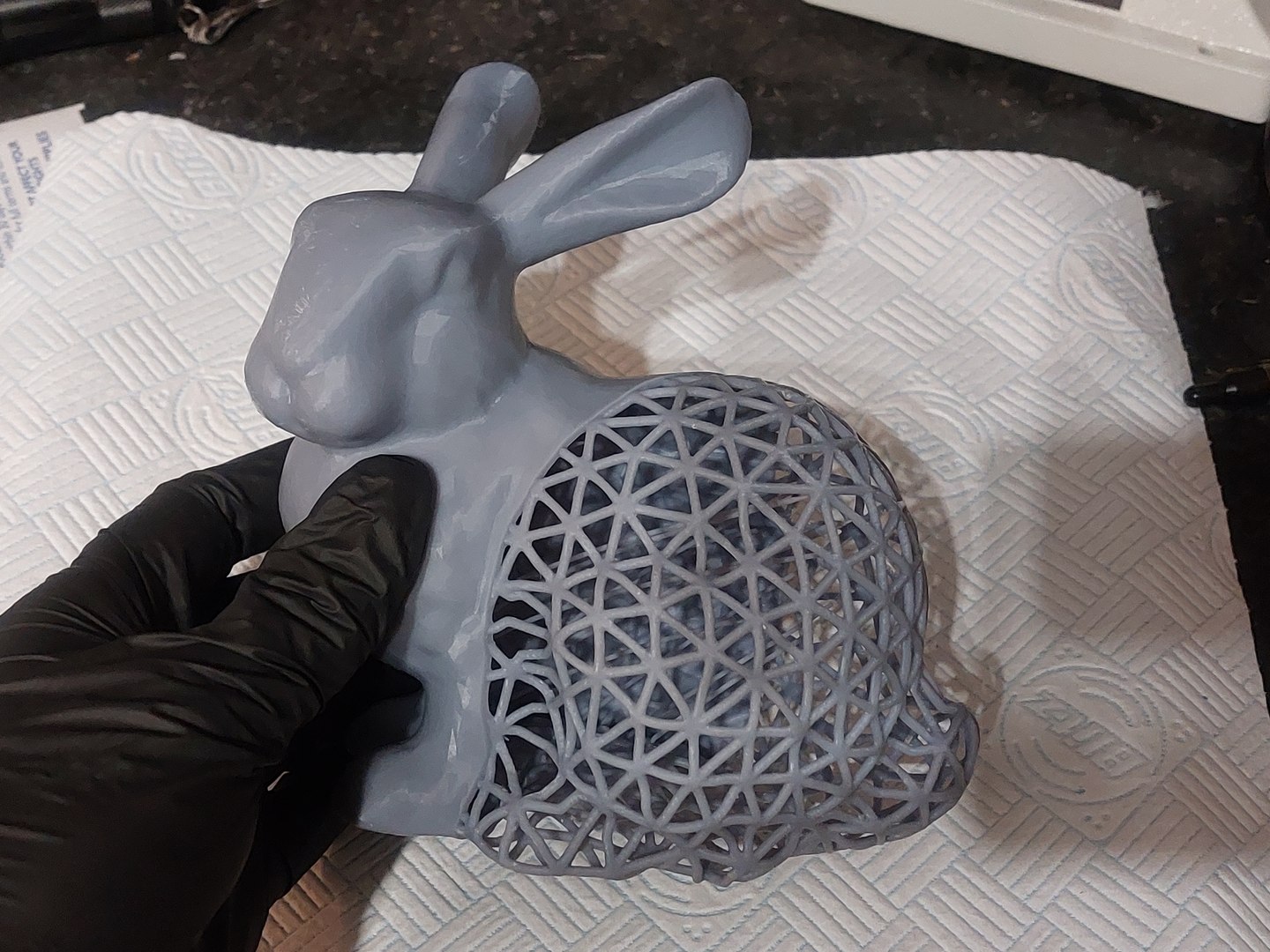
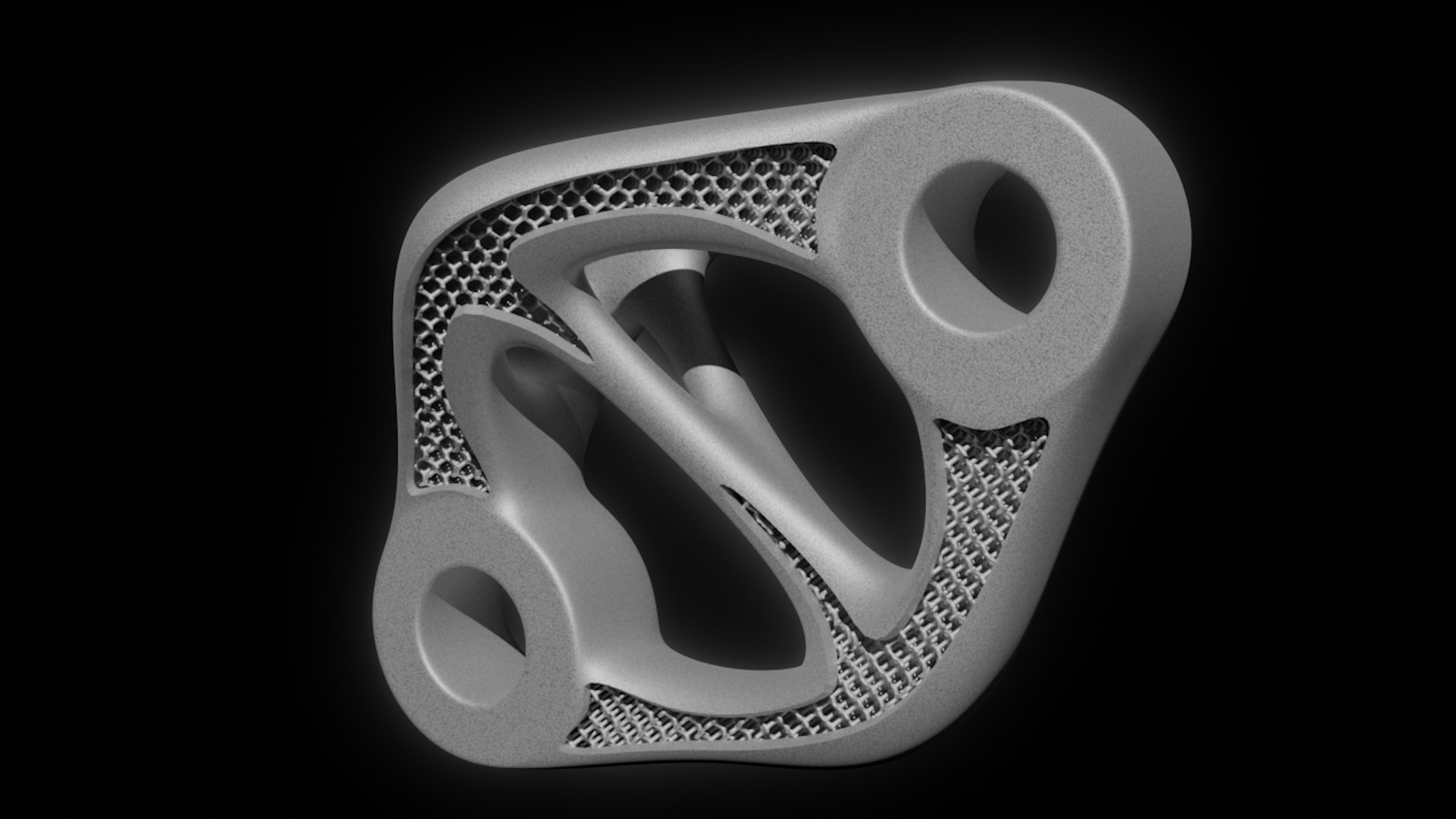
**Note: **Images are Illustrative of what can be accomplished using the nodegroups and do not necessarily show what's in the file.
Blender 5.0+ Compatible
Version 1.7 update. This includes a large number of improvements to increase the performance and reliability. Information feedback about the part as well as a beta feat
Have you ever seen those cool lattice structures for 3D printing? Perhaps you have an object that you want to make lighter? Perhaps you have used an slicer for FDM printers and love the gyroid infill, but now you want to print something in resin or a powder based printer and find out those options are nowhere to be seen. Maybe you're doing something exotic like RF frequency lenses and want an easy way to make variable gyroids structures! Normally these features are locked within expensive products, which are normally overkill for needs and budget. These geometry node groups are intended to help bring some of these features within the grasp of Blender users. They allow you to use non-destructive workflows, so that you can edit the designs and have the results generated for you.
These are mostly intended for 3d printing applications (especially for powder based printers that can take advantage of the geometry), but can also be used for more typical Blender uses. There is even a voronoi fracture node inside if you can find it!
I intend to add more functionality as time goes on.
So far the geometry nodes include:
Cubic Lattice structures> (Primitive cubic, Body Centred, BCC, Diamond Lattice, Kelvin and Weaire_Phelan Lattices)
Custom Lattice option> If you model a unit cell then it can be used by the suitable node group.
Complete Custom Lattice> Allows the use of a wireframe model to act as the entire lattice inside an object.
Triply Periodic Minimal Surfaces (TPMS)> (Gyroid, Schwarz P, Schwarz Diamond, I-WP, Neovius)
Stochastic Lattice> A random lattice based on a voronoi cell implementation. Open-cell foam, Bone-like organic structure.
An improved hollowing algorithm that works can work with non manifold meshes.
Modifier node> Ability to modify aspects of the Lattices, such as thickness, by using control meshes.
Add holes> Remove holes in exterior for powder removal, or additional light weighting.
Future improvements:
Increased range of modifiers, including unit size. Surface following lattices.
Multiple lattices within an object with seamless transitions. Useful for optimising properties in different areas.
Ease of use and performance optimisations.