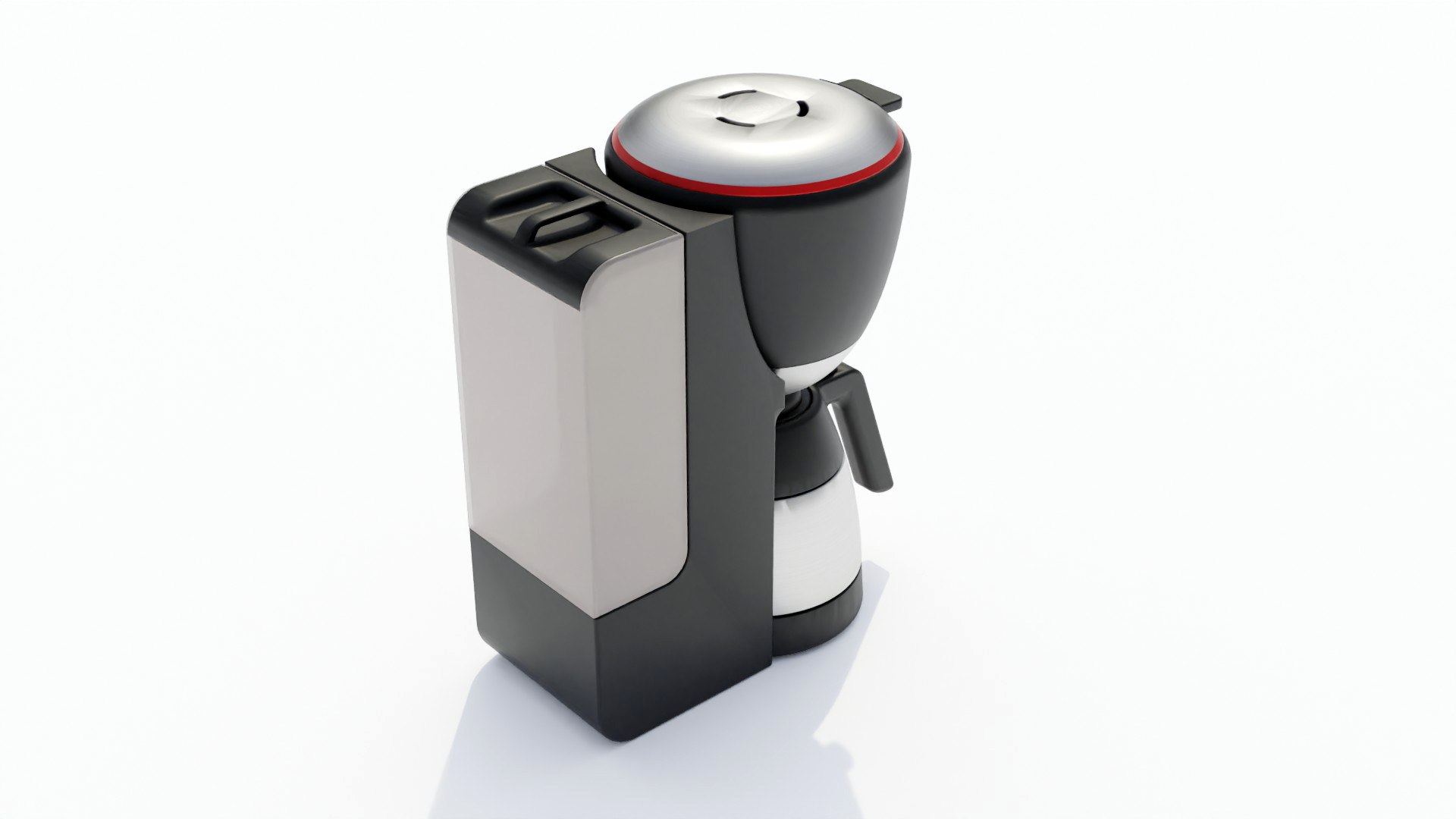
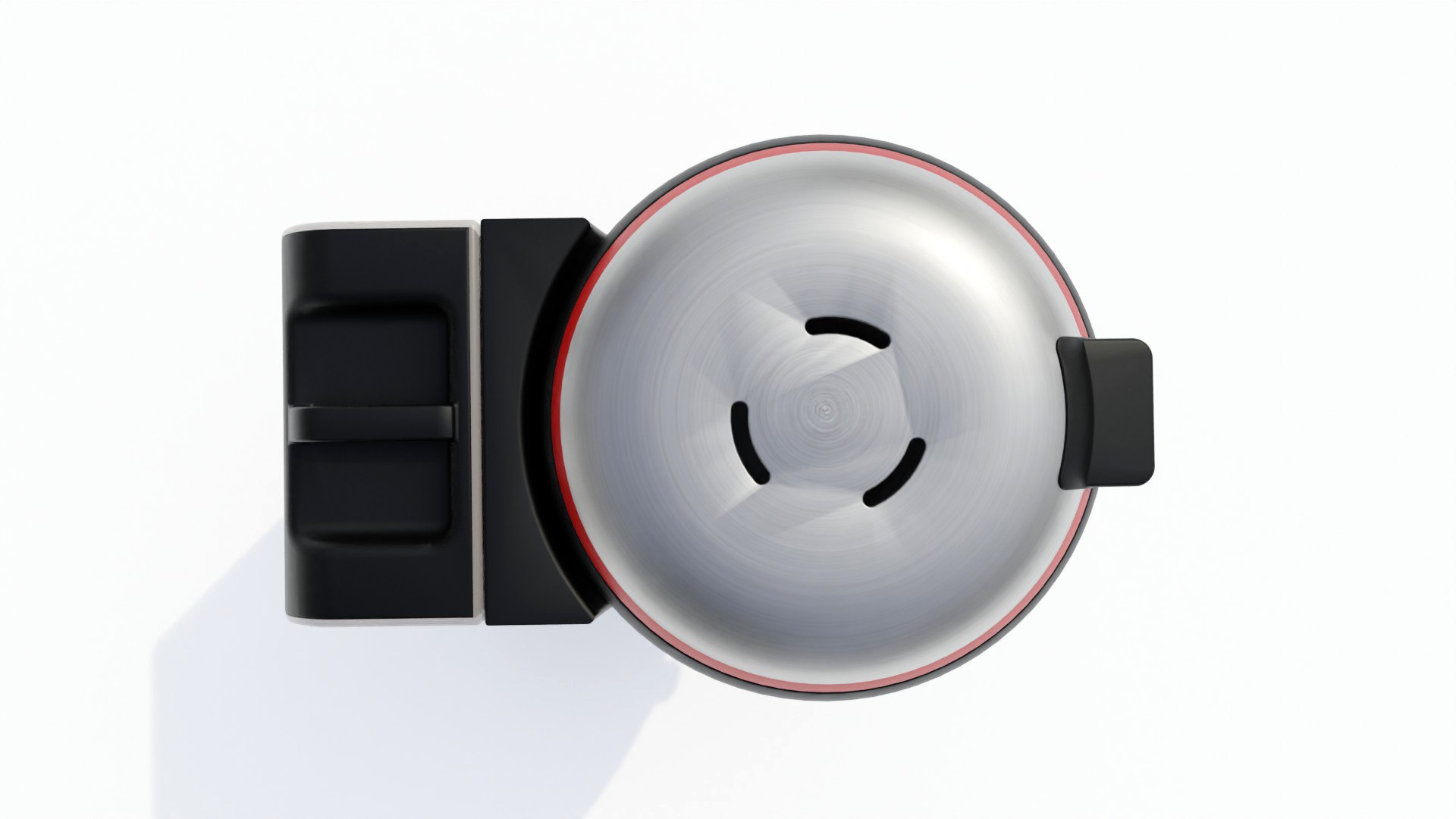
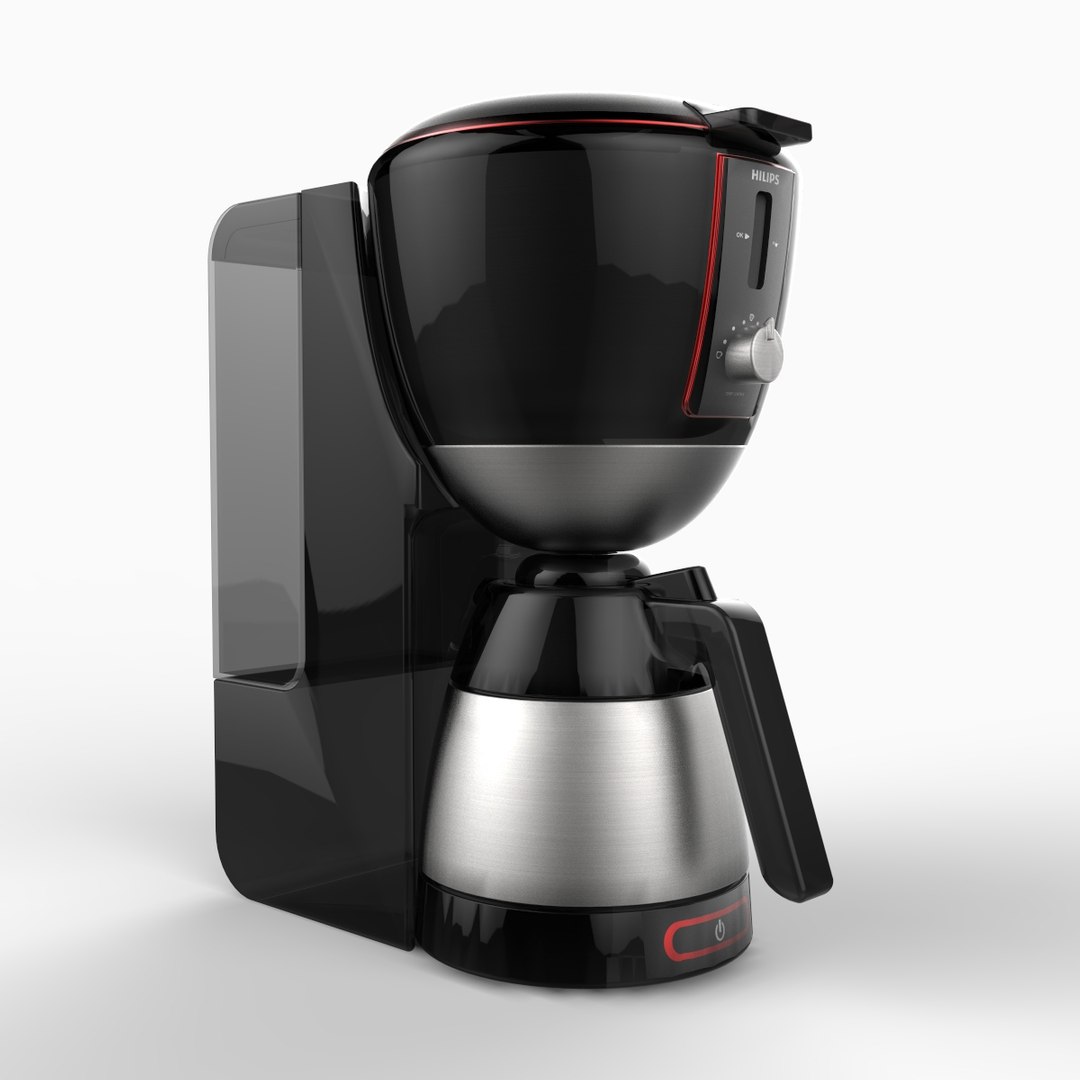
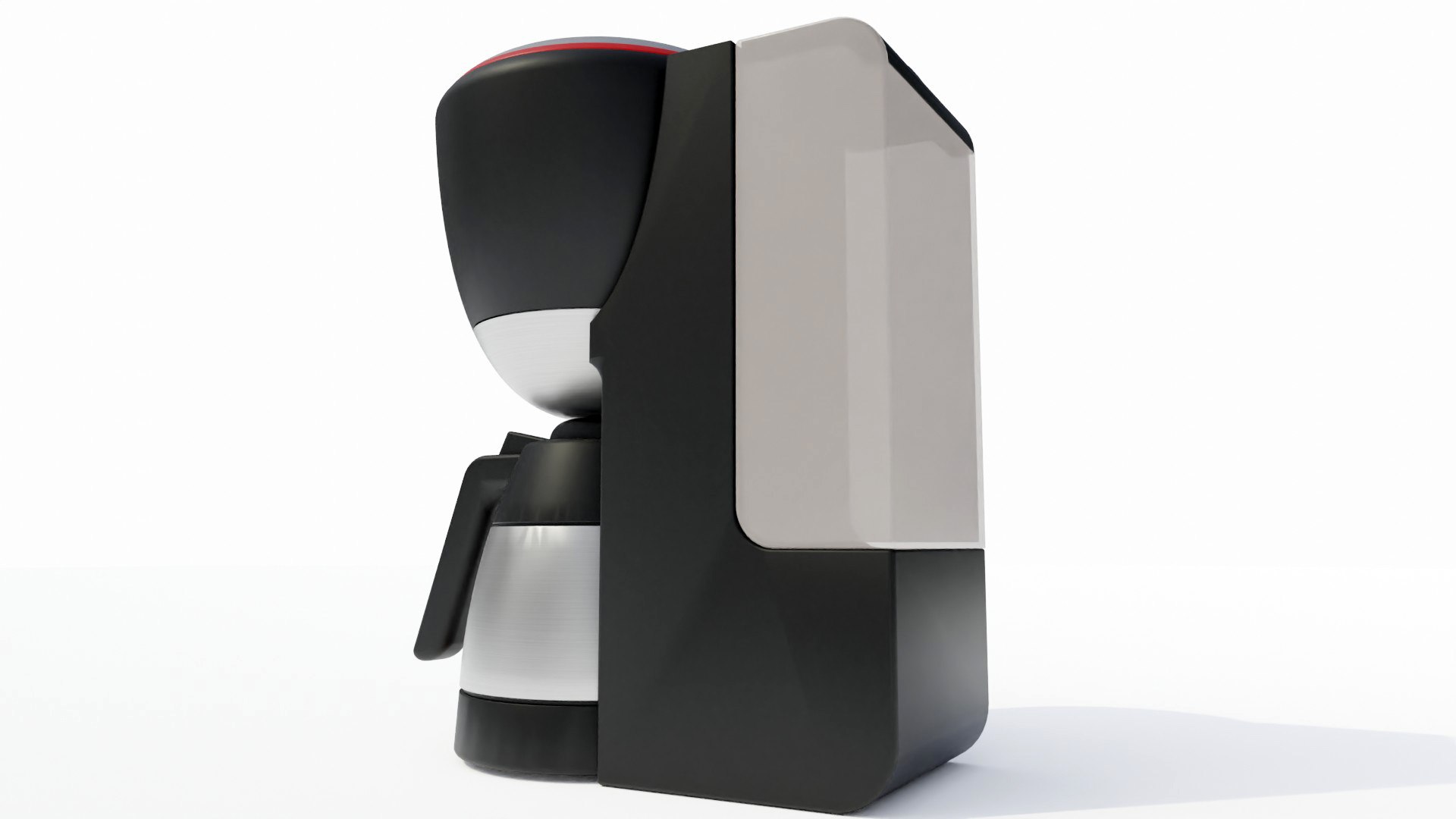
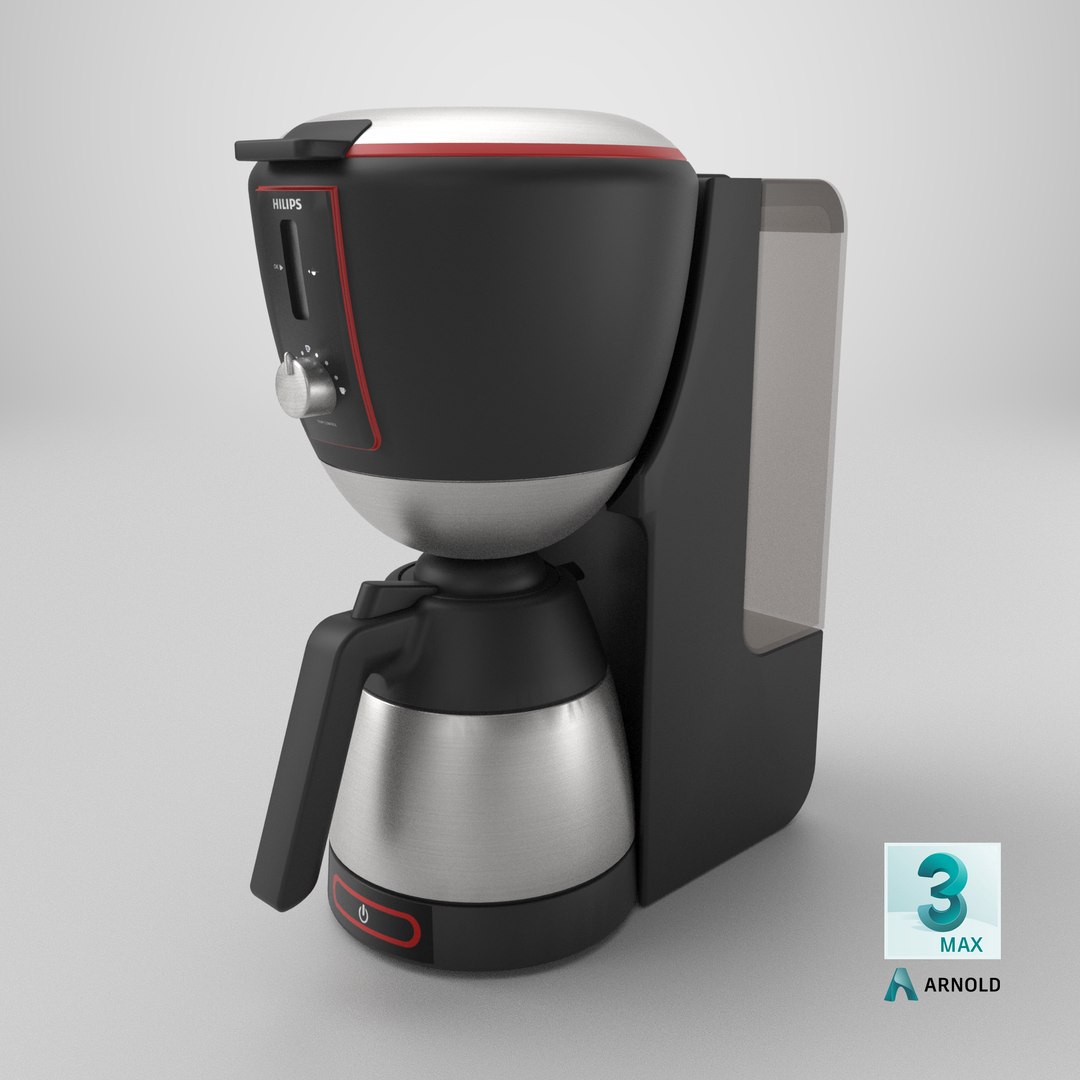
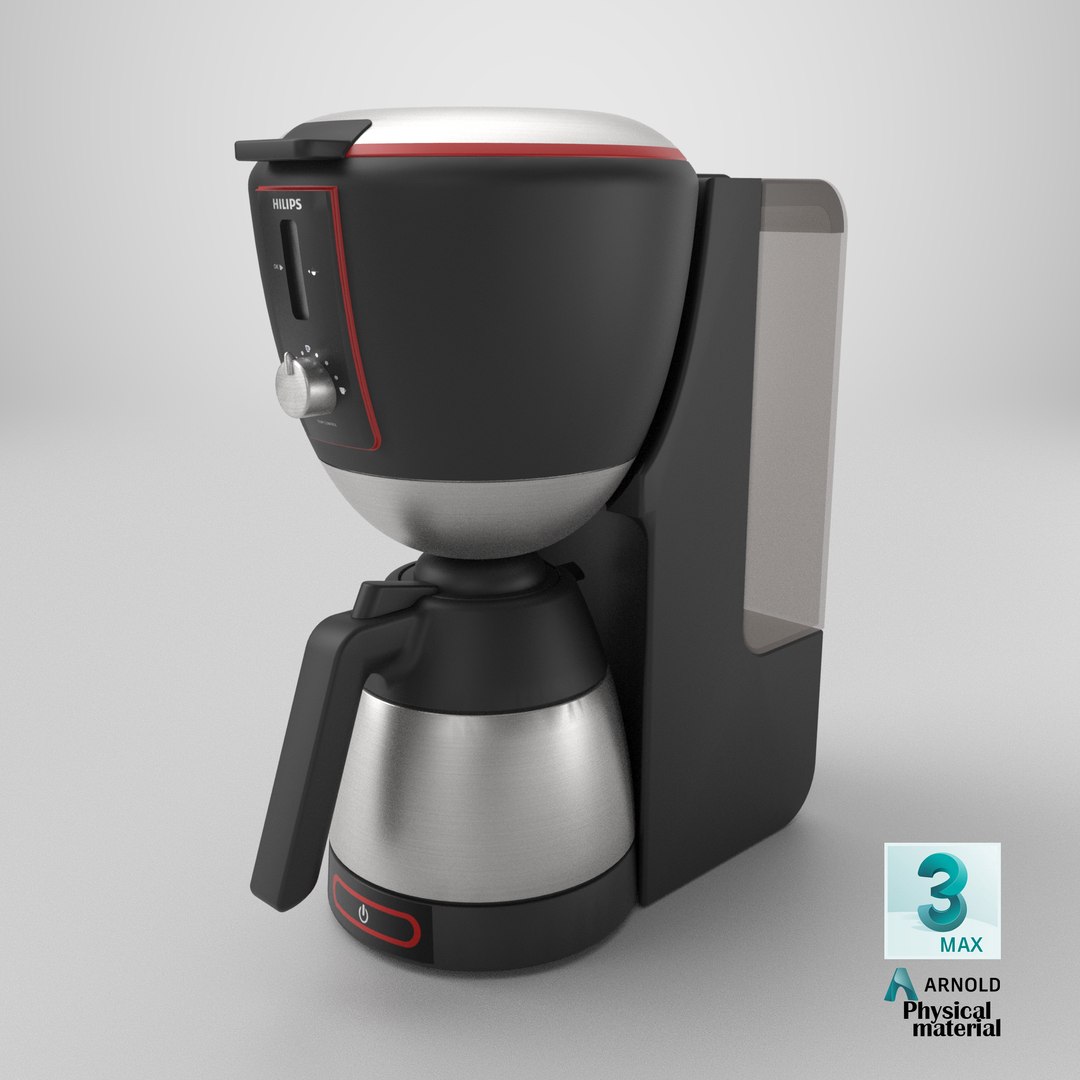
Cafetera

$9

Licencia estándar | Licencia de actualización
Usos editoriales solamente
Formatos (25)
Native | Blender 4.2 | Cycles Render
Cinema 4D R20 | Default Scanline
Blender 3.6 | Cycles Render
Lightwave 2018 | Default Scanline
3ds Max 2019 | Default Scanline
Softimage 3.5 | Default Scanline
3ds Max 2019 | V-Ray 3.60.5
Blender 3.4.1 | Cycles Render 1.0
Maya 2022 | Arnold 5.1.3.3
Maya 2022 | V-Ray 5
Cinema 4D 23008 | Arnold 4.3.1
3ds Max 2022 | V-Ray 5.20.23.2
3ds Max 2022 | Arnold 5.3.2.6
OpenUSD 2.0 | Other 4.2.14 LTS
Maya 2016.5 | mental ray
OpenUSD
Cinema 4D
3ds Max
3D Studio
FBX 2014
Collada 2014
OBJ
FBX SDK 2020.3
glTF 2.0
Otros archivos
CoffeeMaker_EXT.zip
Especificaciones
Fecha de publicación January 14, 2010
identificación de producto 509625
Poligonos 31,294
Vértices 24,857
Geometría poligonal quads/tris
Texturas
Mapeado UV
UV sin envolver que no se superponen
PBR
Certificado en células madre
Exclusivo de TurboSquid

member avatar
PerspectX
807 Productos | Contributor Desde 2003
¿Tener preguntas? Chatea con nosotros ahora.

descripción

Description:

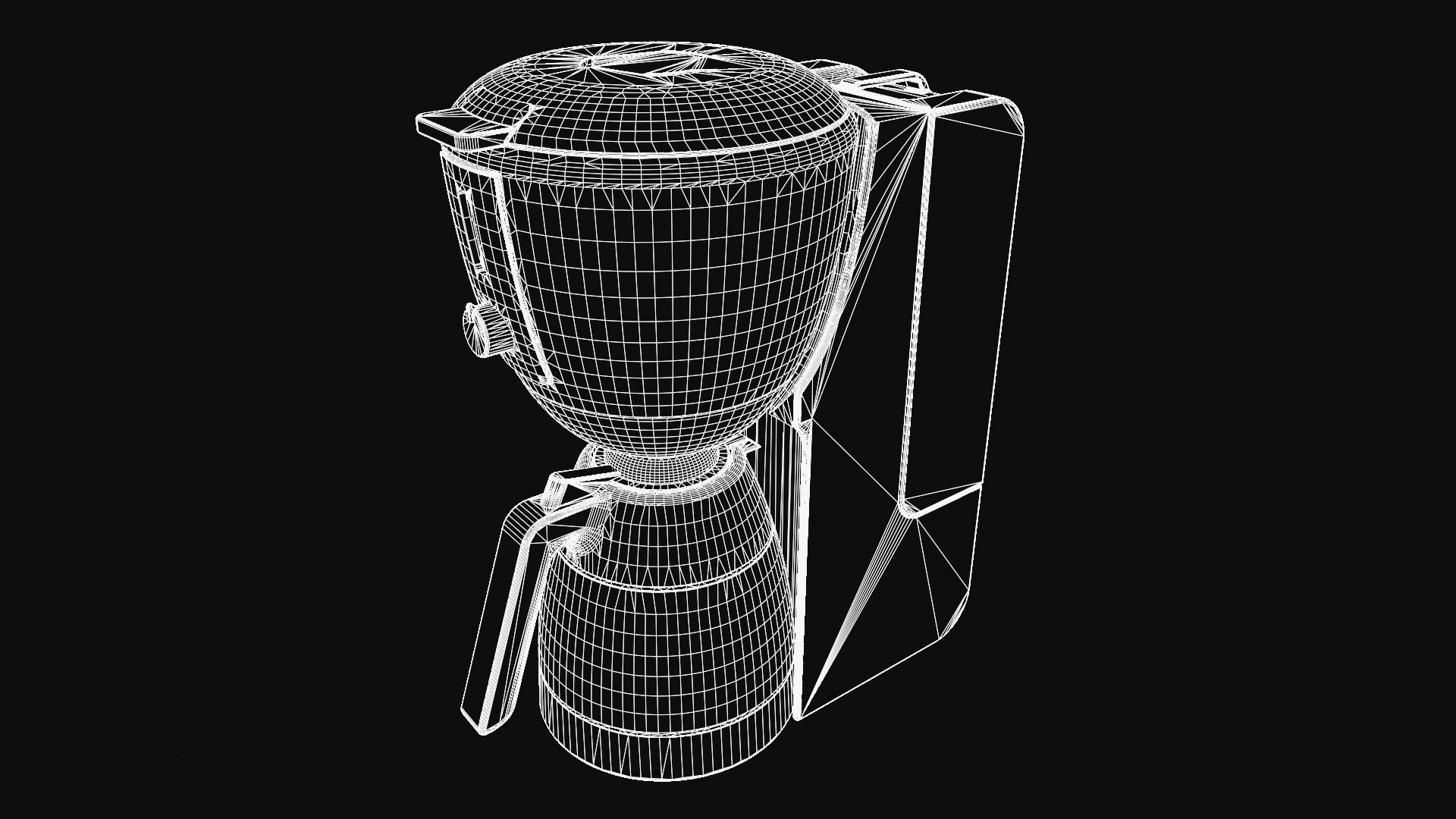
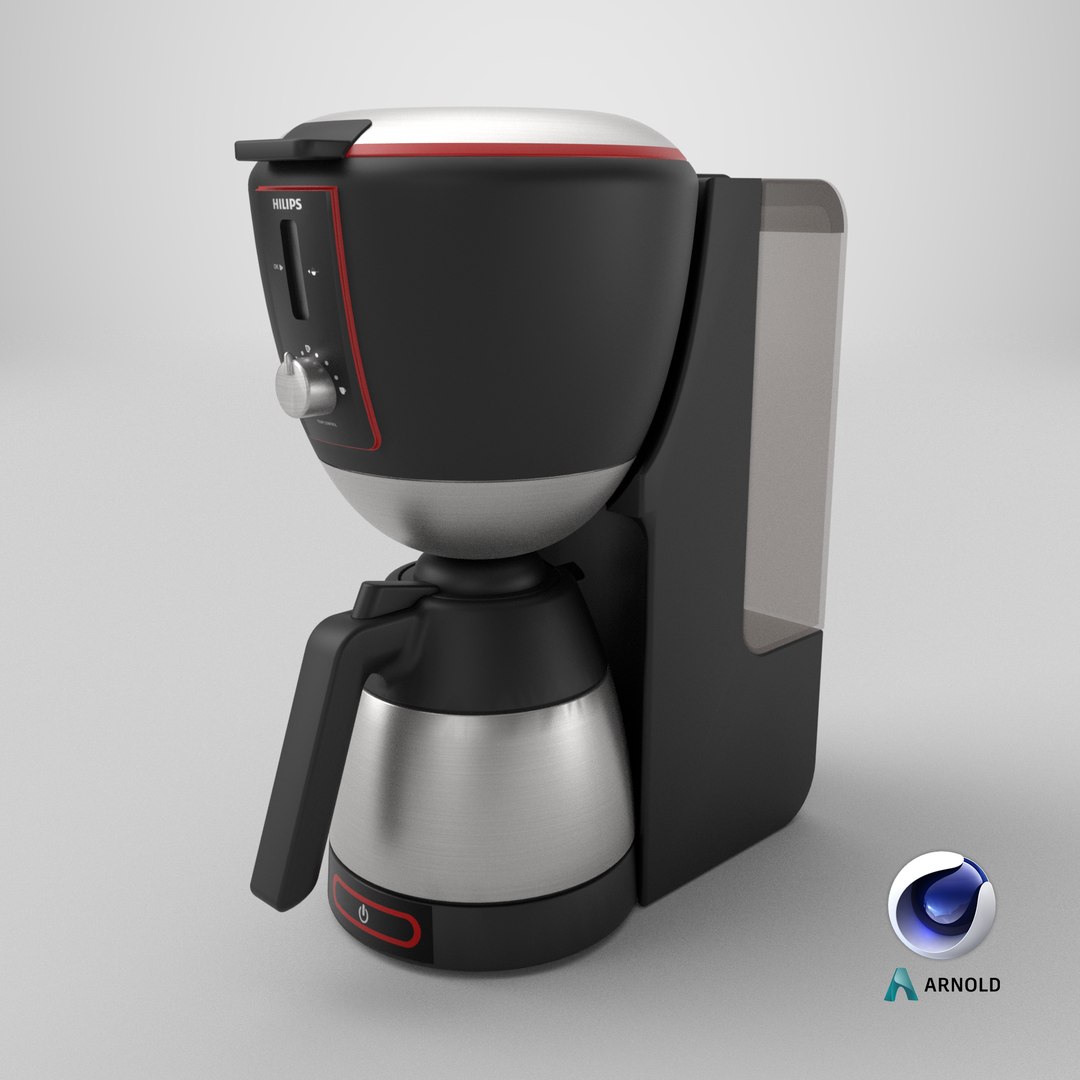
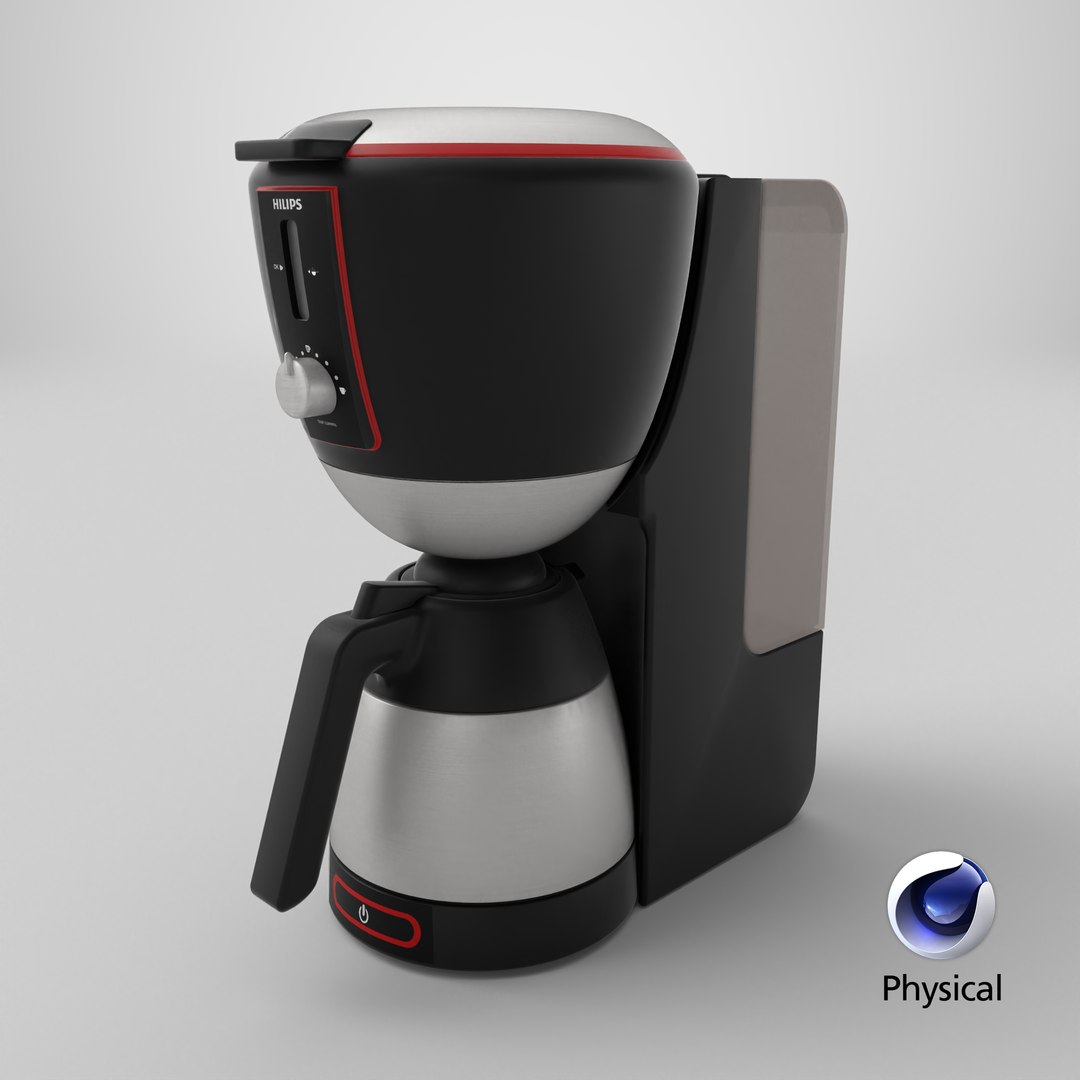
A detailed model of a coffee maker.

Technical Notes:

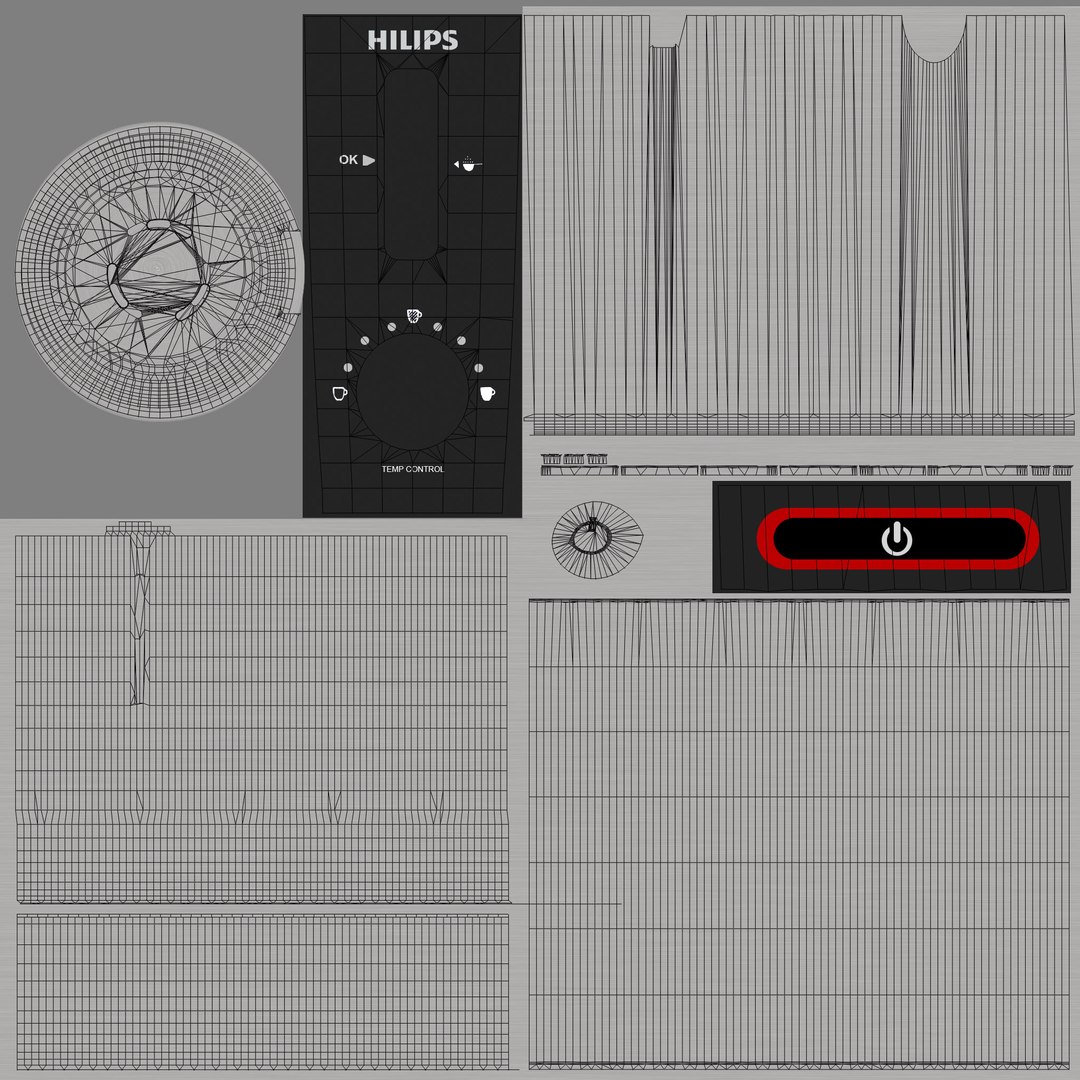
Detailed textures are provided including diffuse. Maximum dimension of textures are 2048 pixels. Photoshop template files are available for download with the product so you can modify the layered textures to your liking.

History:

Coffee makers are cooking appliances used to brew coffee without having to boil water in a separate container. While there are many different types of coffeemaker using a number of different brewing principles, in the most common devices, coffee grounds are placed in a paper or metal filter inside a funnel, which is set over a glass or ceramic coffee pot. Cold water is poured into a separate chamber, which is then heated up to the boiling point, and directed into the funnel. This is also called automatic drip-brew.

For hundreds of years, making a cup of coffee was a deceptively simple process. Roasted and ground coffee beans were placed in a pot or pan, to which hot water was added, followed by attachment of a lid to commence the infusion process. Throughout the 19th and even the early 20th centuries, it was considered adequate to add ground coffee to hot water in a pot or pan, boil it until it smelled right, and pour the brew into a cup.The first modern method for making coffee-drip brewing-is more than 125 years old, and its design had changed little. The "Biggin", originating in France ca. 1800, was a two-level pot holding coffee in an upper compartment into which water was poured, to drain through holes in the bottom of the compartment into the coffee pot below. Around the same time, a French inventor developed the "pumping percolator", in which boiling water in a bottom chamber forces itself up a tube and then trickles (percolates) through the ground coffee back into the bottom chamber.

Seleccionar licencia mejorada

  • $10,000 en Protección Legal (Indemnización)
  • Protección Legal Sin Límite (Indemnización)
  • Renuncia a medidas cautelares
  • Derechos de modelo asignables
  • $1,000,000 en Protección Legal (Indemnización)
  • Renuncia a medidas cautelares
  • Derechos de modelo asignables
  • $250,000 en Protección Legal (Indemnización)
  • Derechos de modelo asignables

About Conversion Requests

To submit a conversion request for a purchased asset, please complete our Conversion Request Form.

If you have not yet purchased a model, please review our Documentation about Conversions to learn about what limitations you may encounter with a conversion.

For any additional questions about a model’s suitability for conversion, please contact TurboSquid Support.

Cargando...