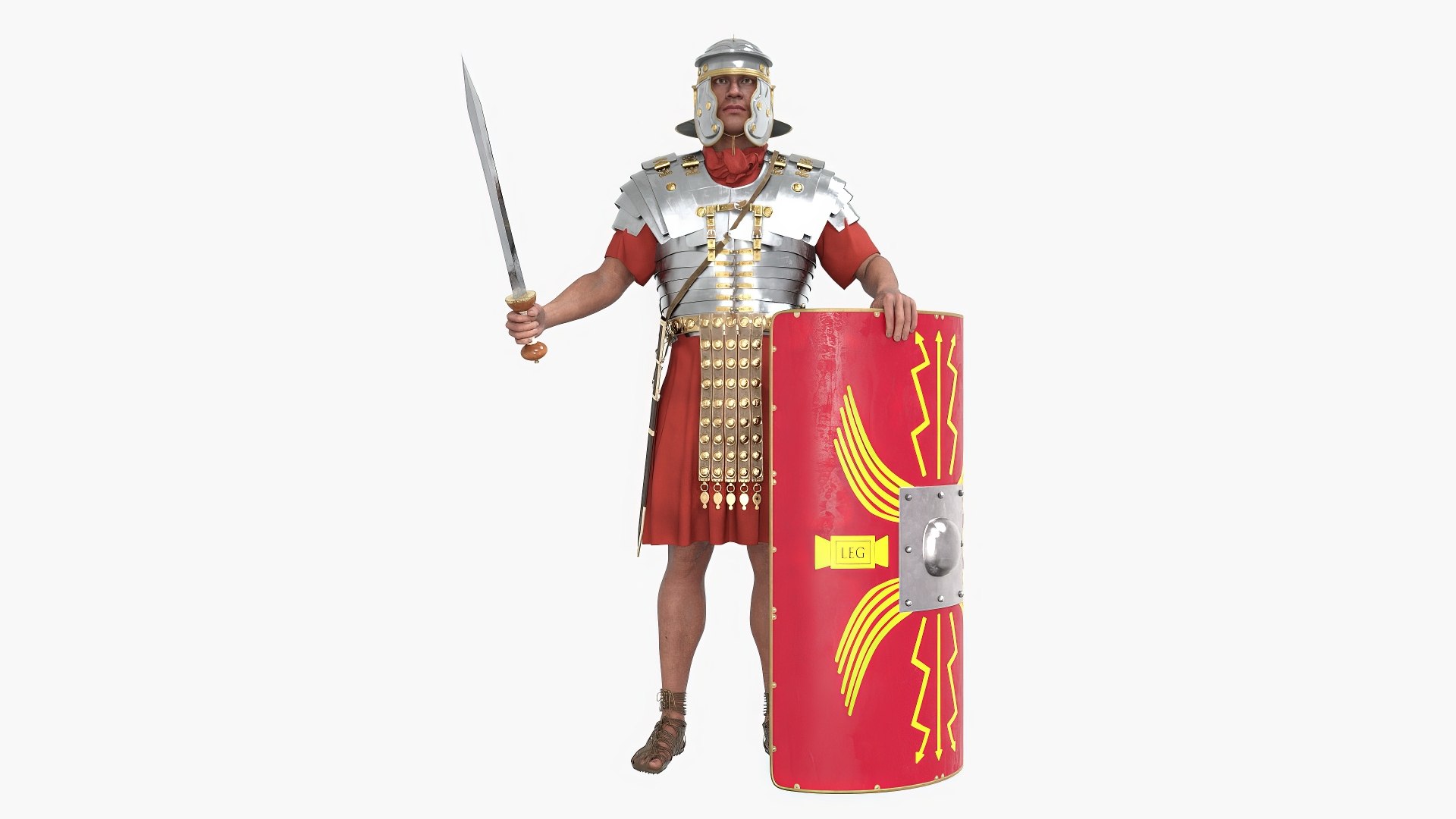
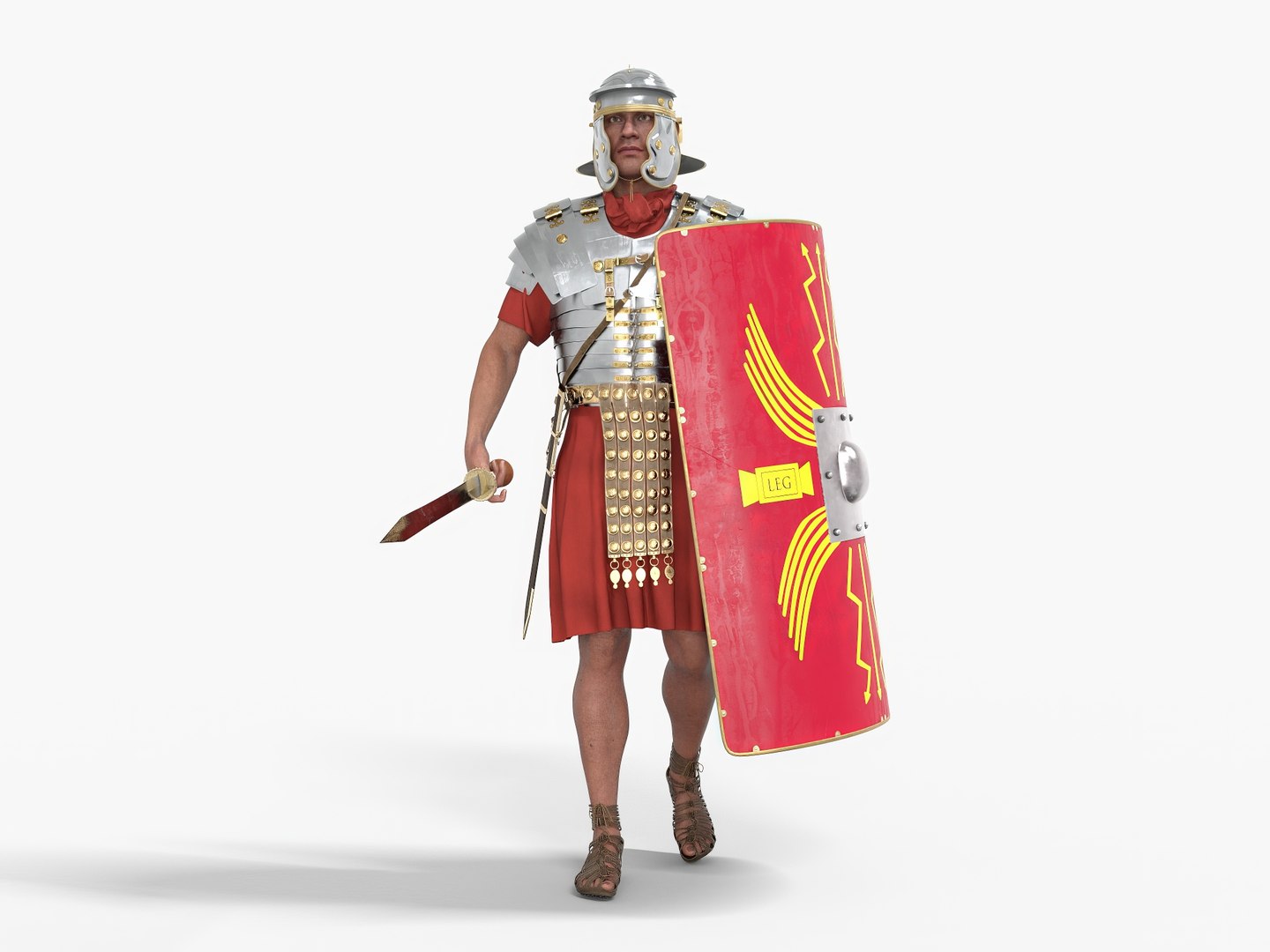
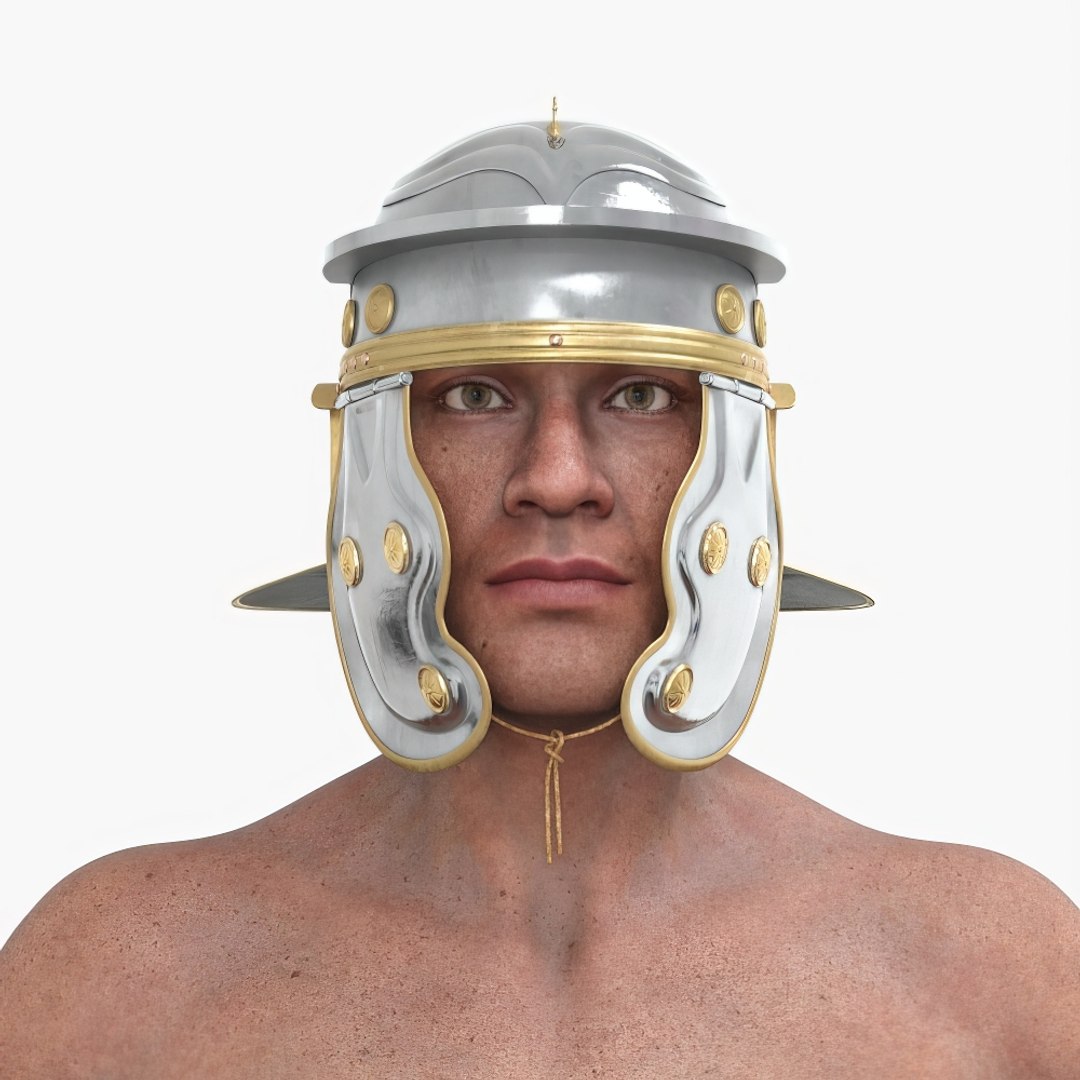
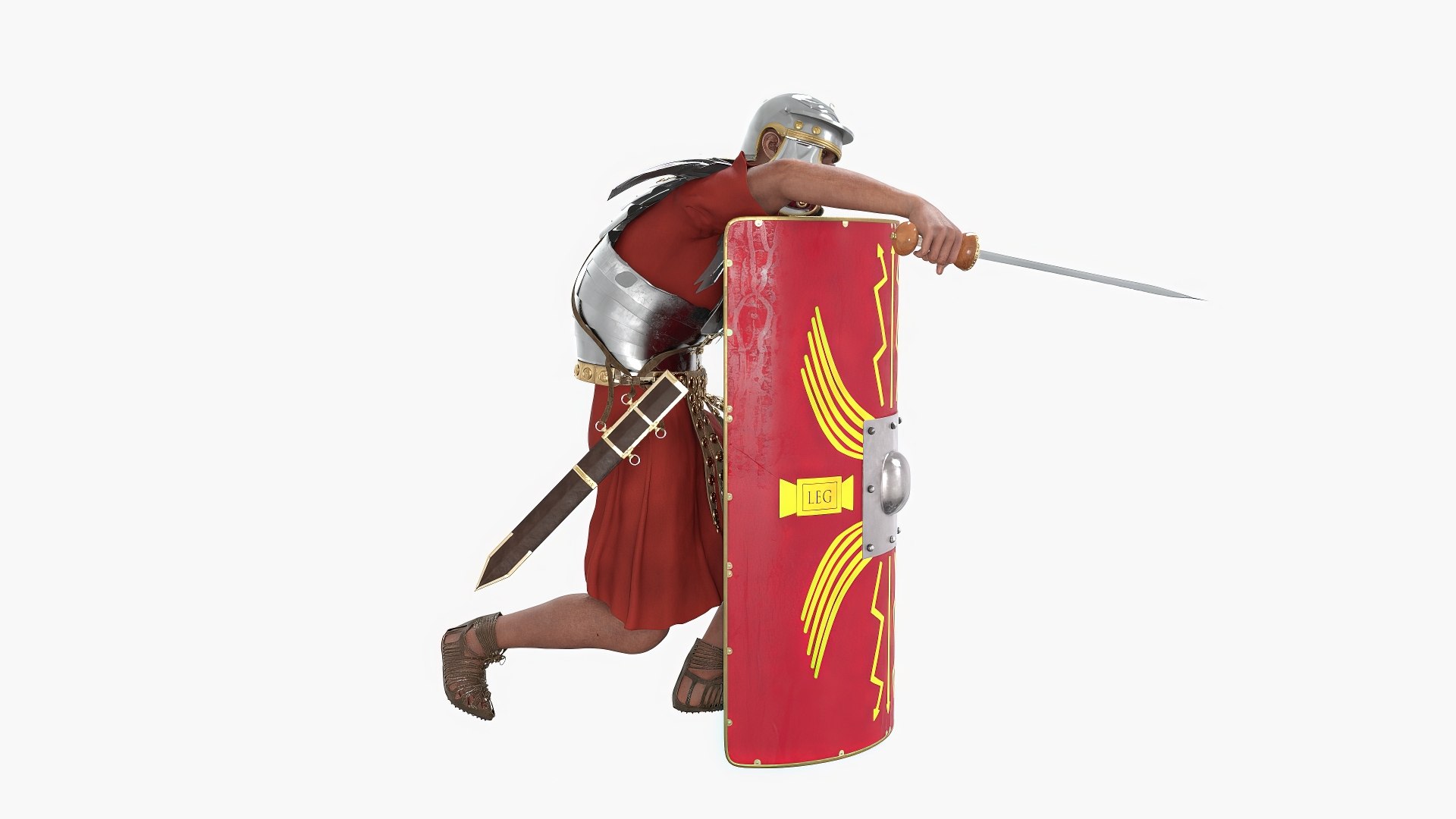
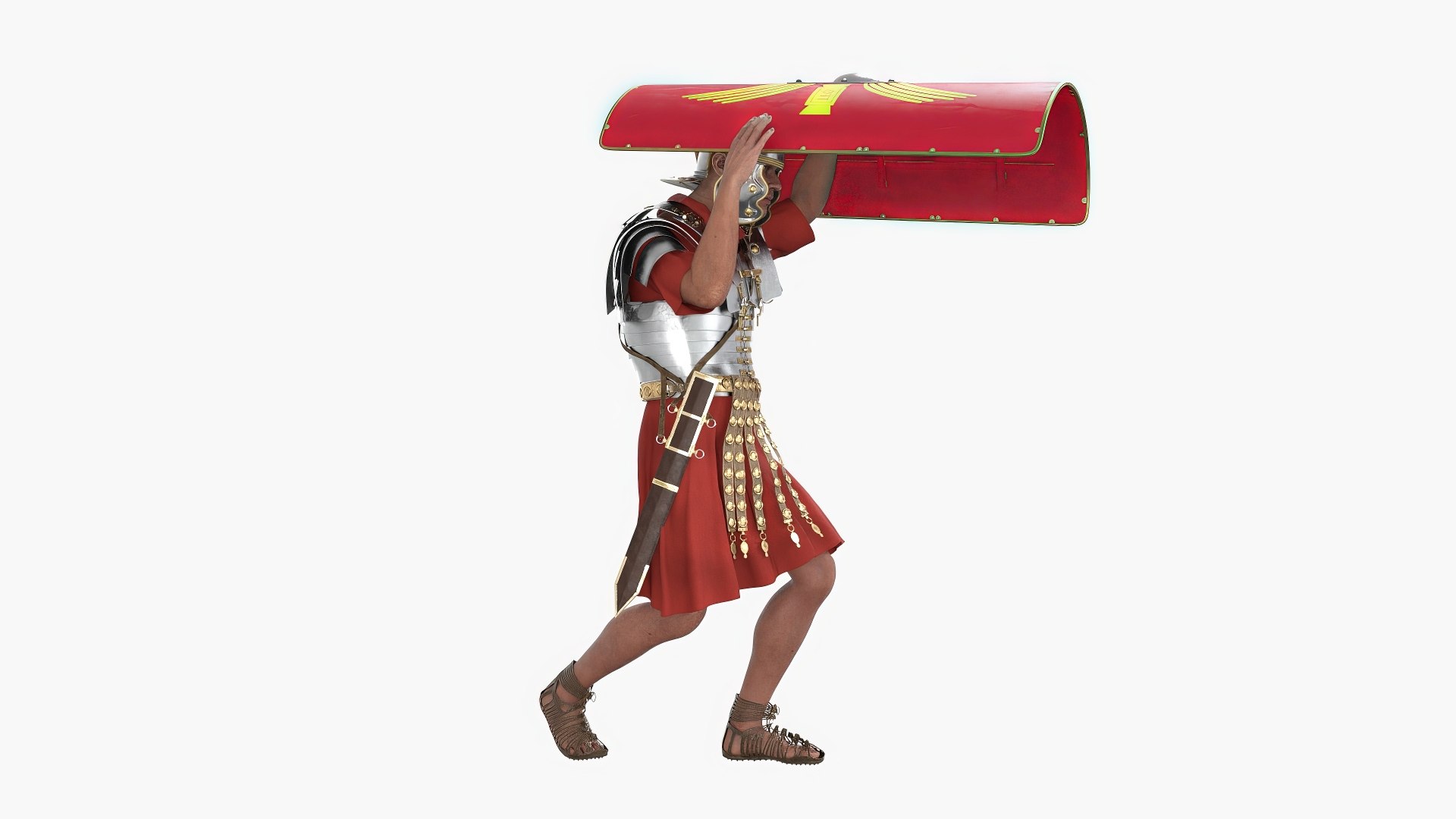
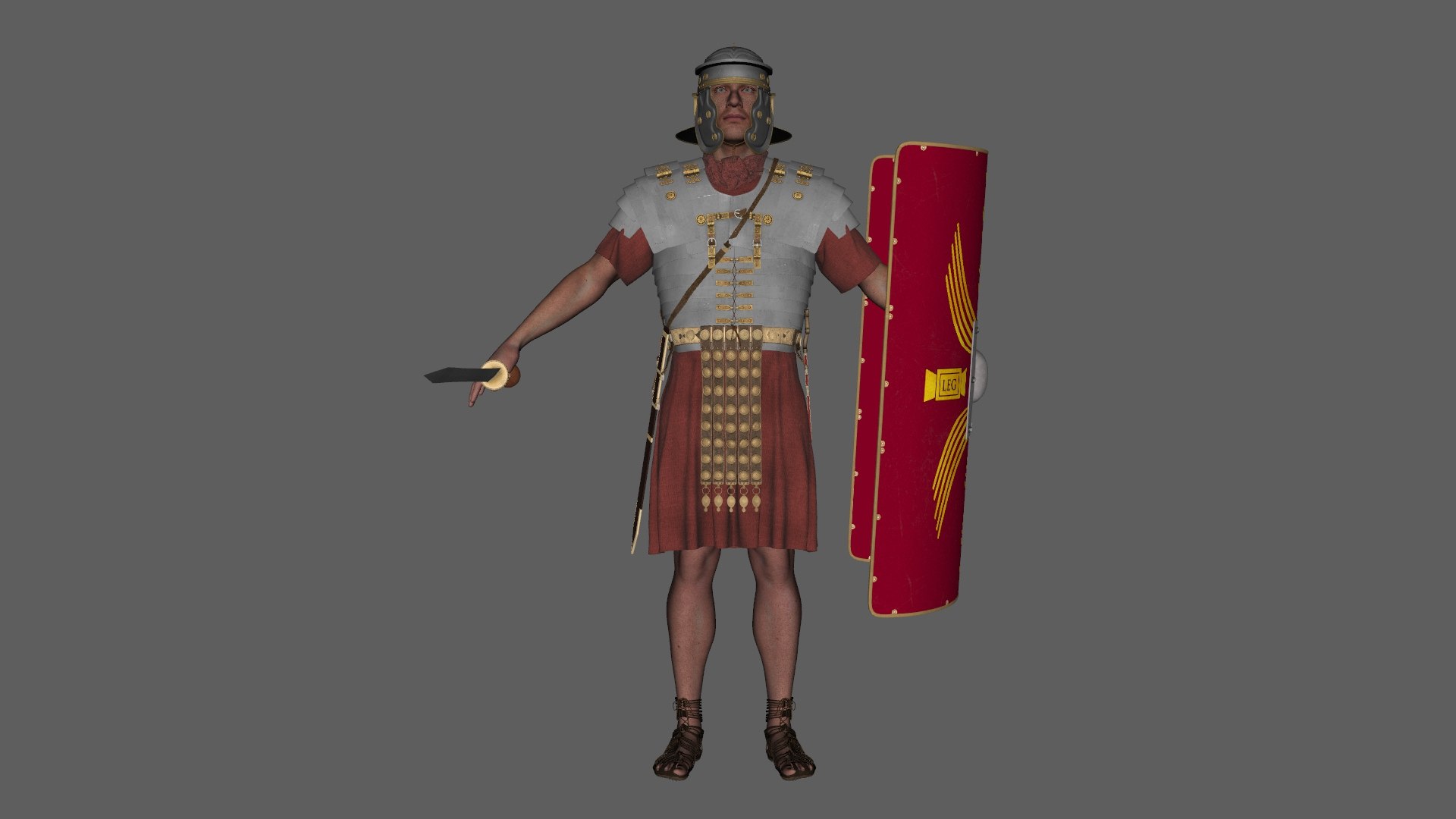
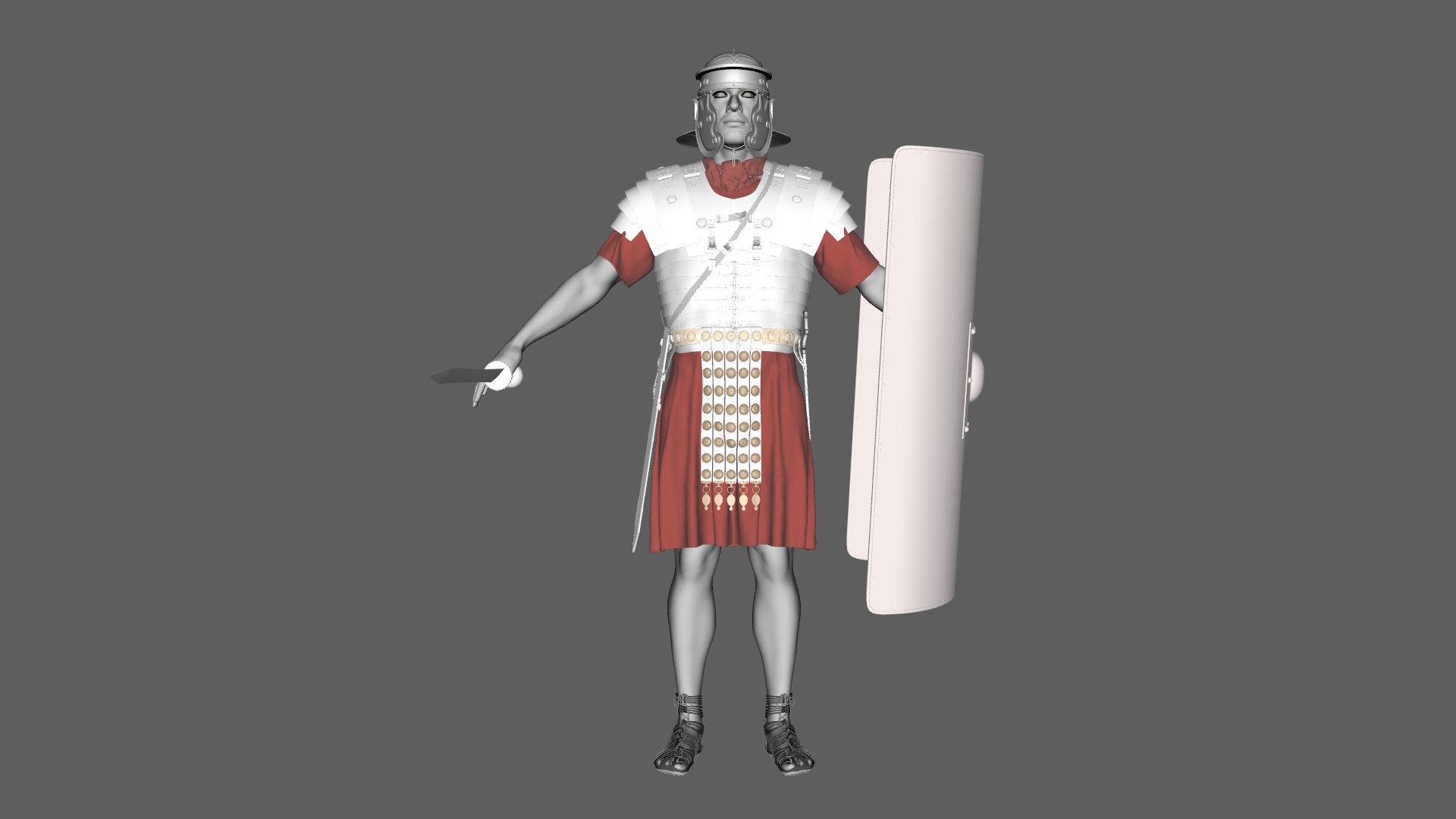
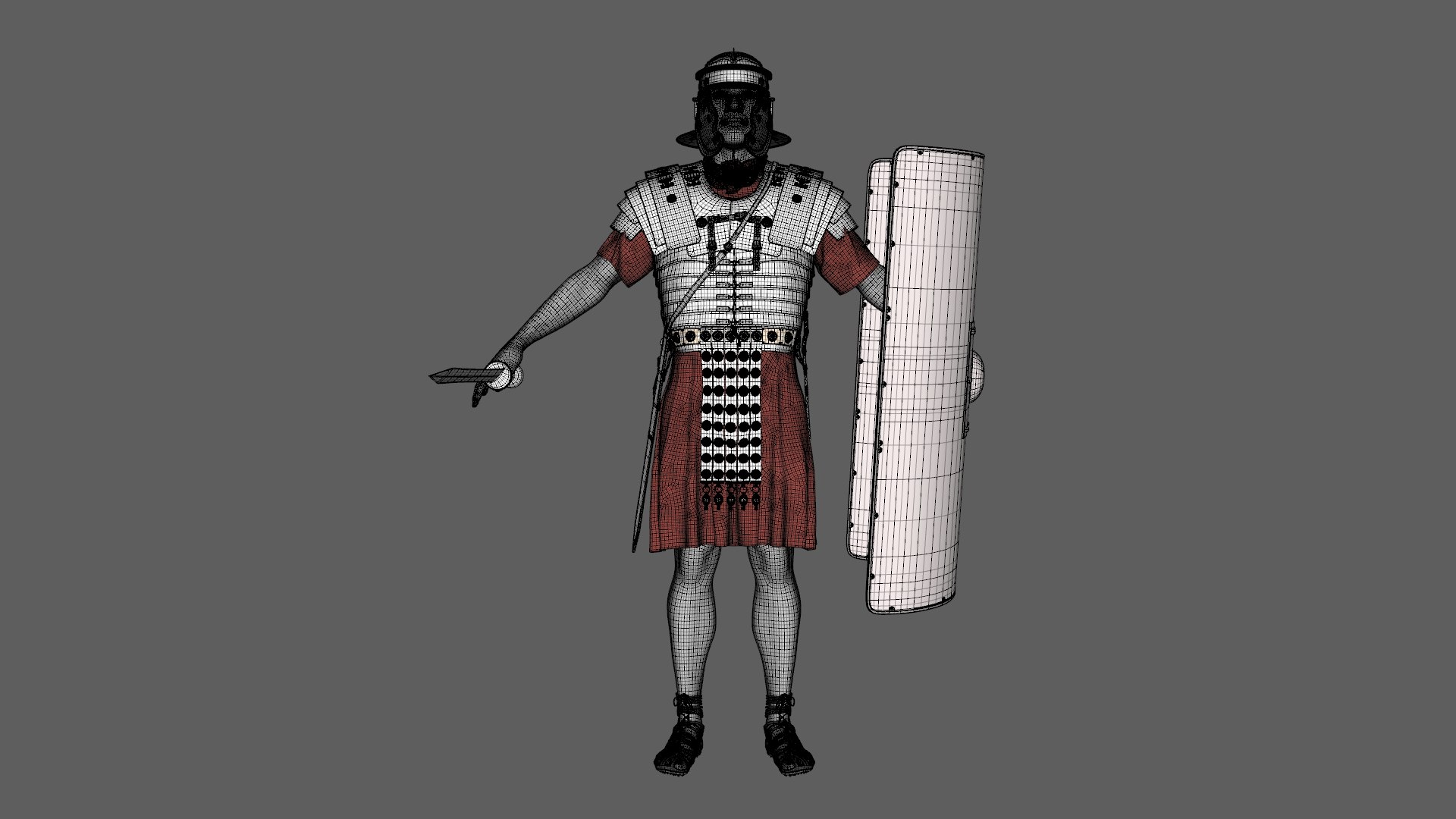
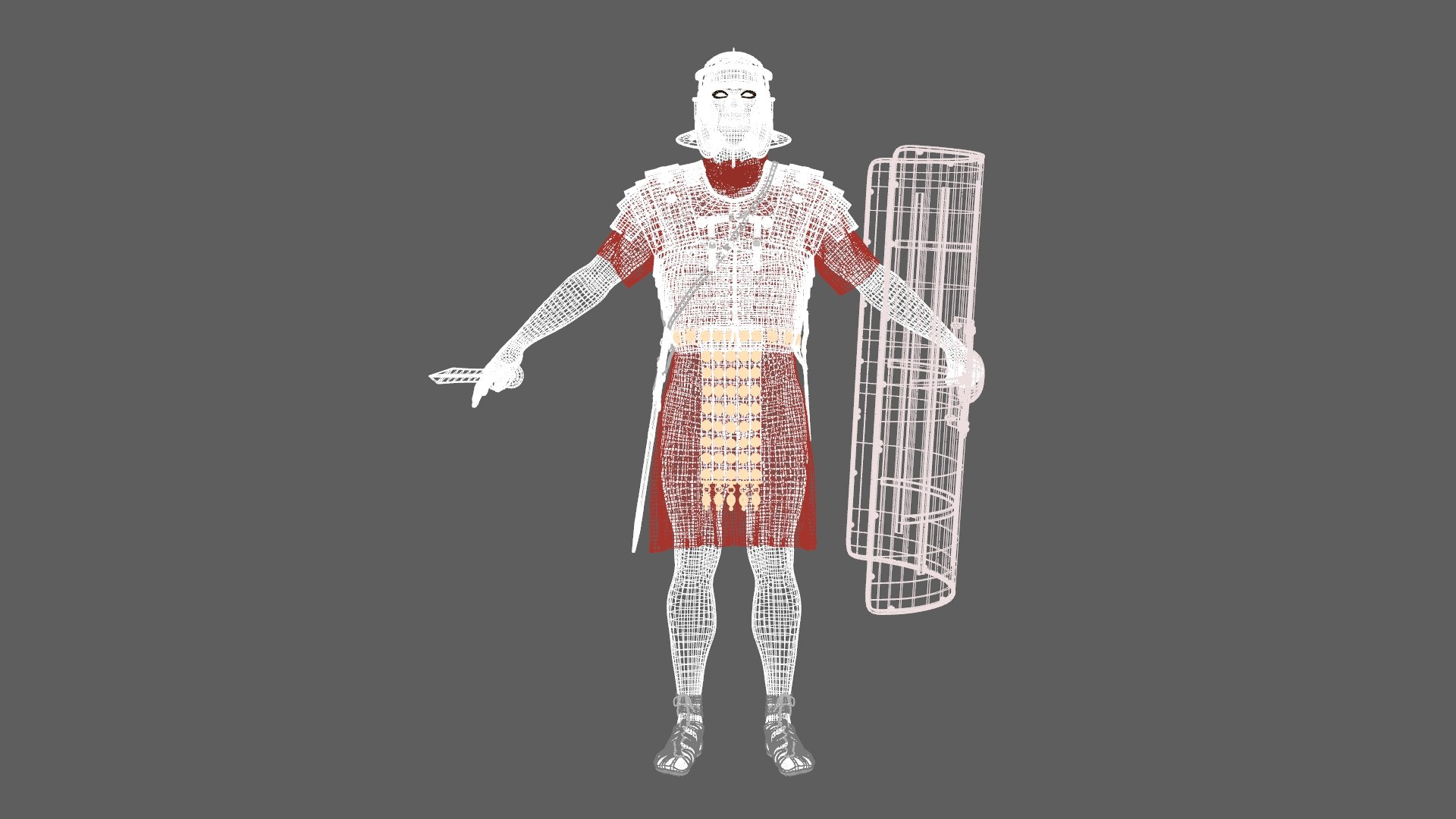
Roman Centurion - Gladius Soldier
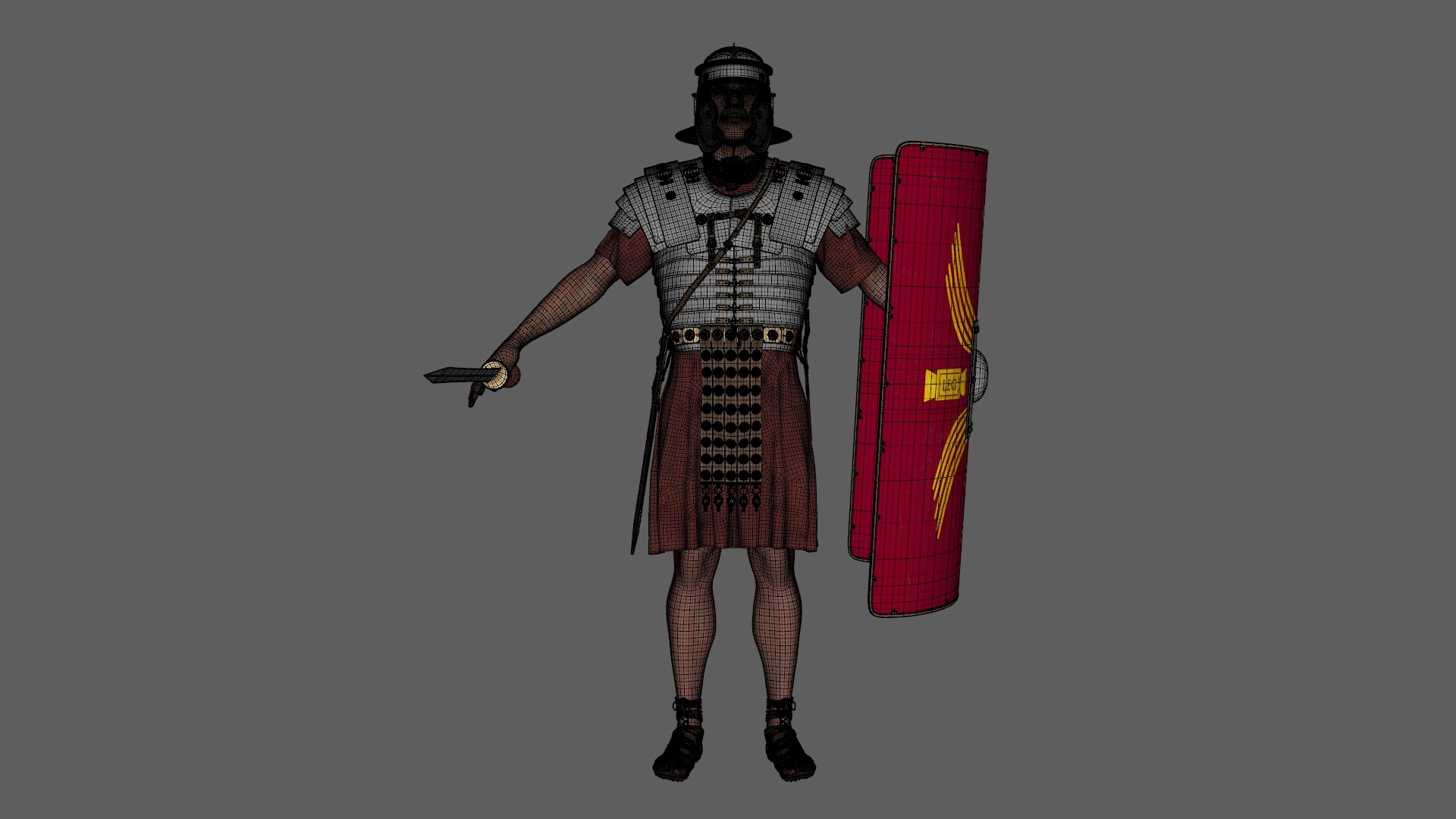
Photorealistic
Low-poly
PBR/Gameready
4K Texture HQ - 4096 x 4096
Fully Rigged
POLYGONS - VERTICES
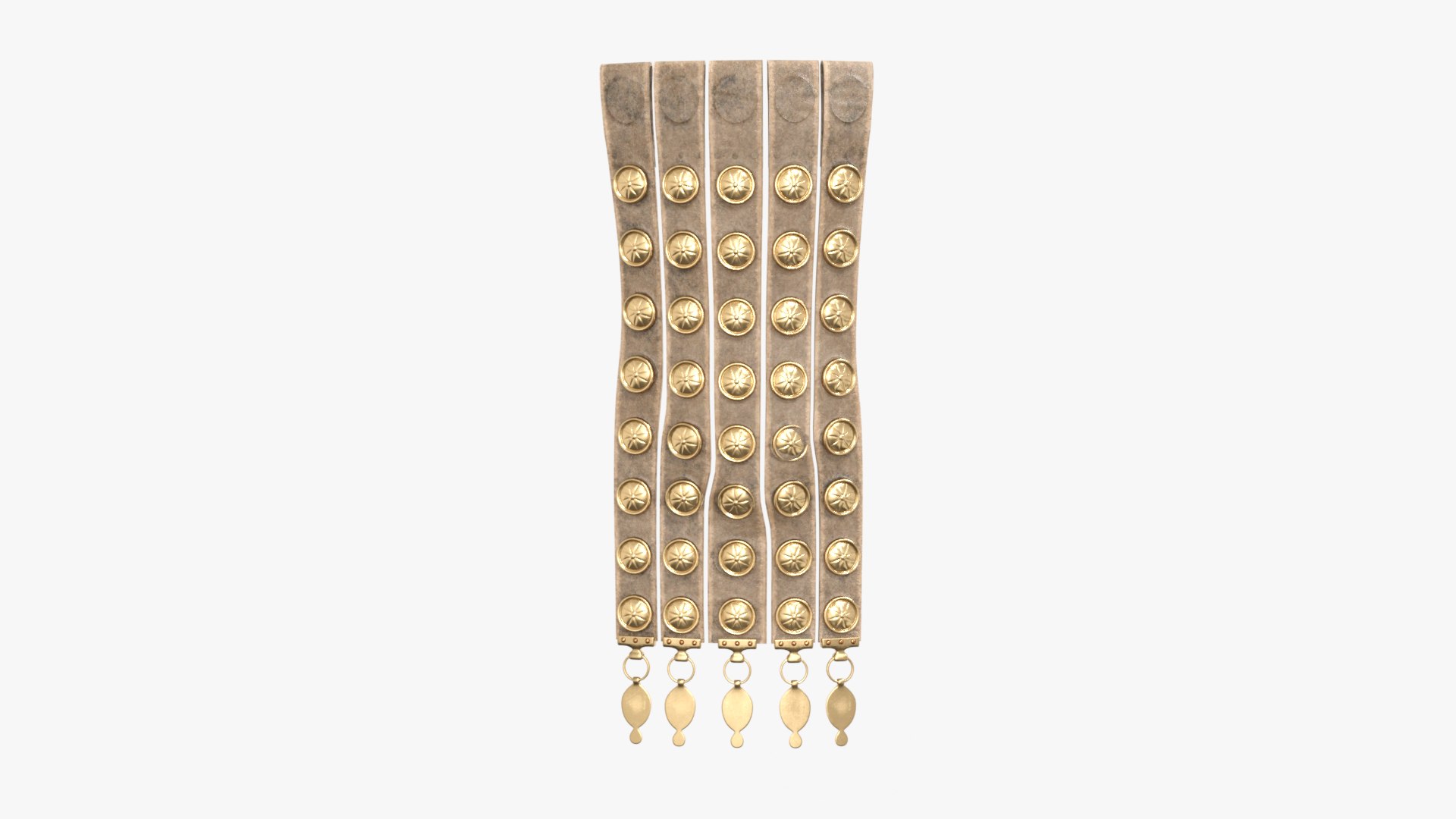
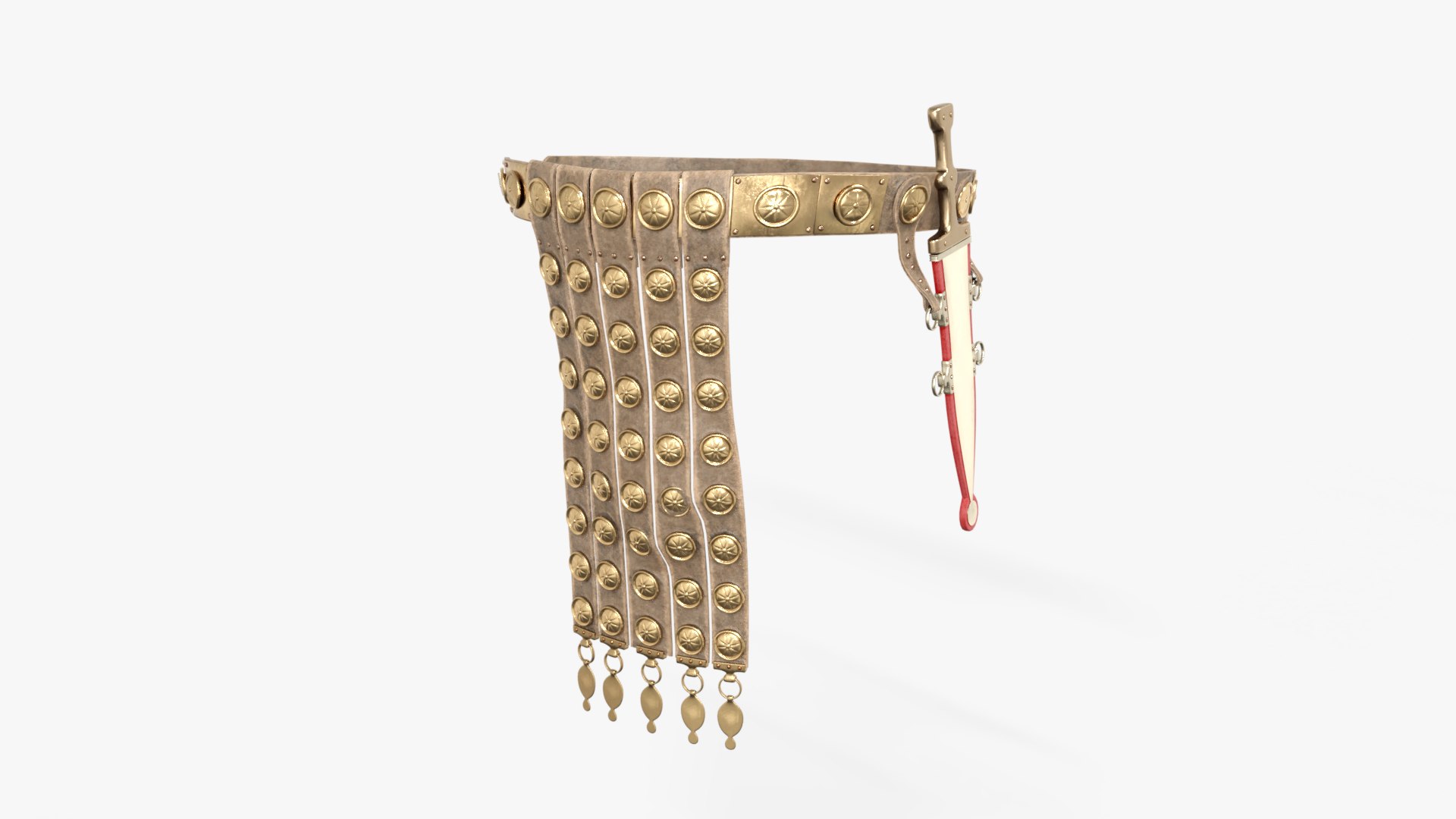
Balteus 20367 vertices, 22251 polygons, 31 bones
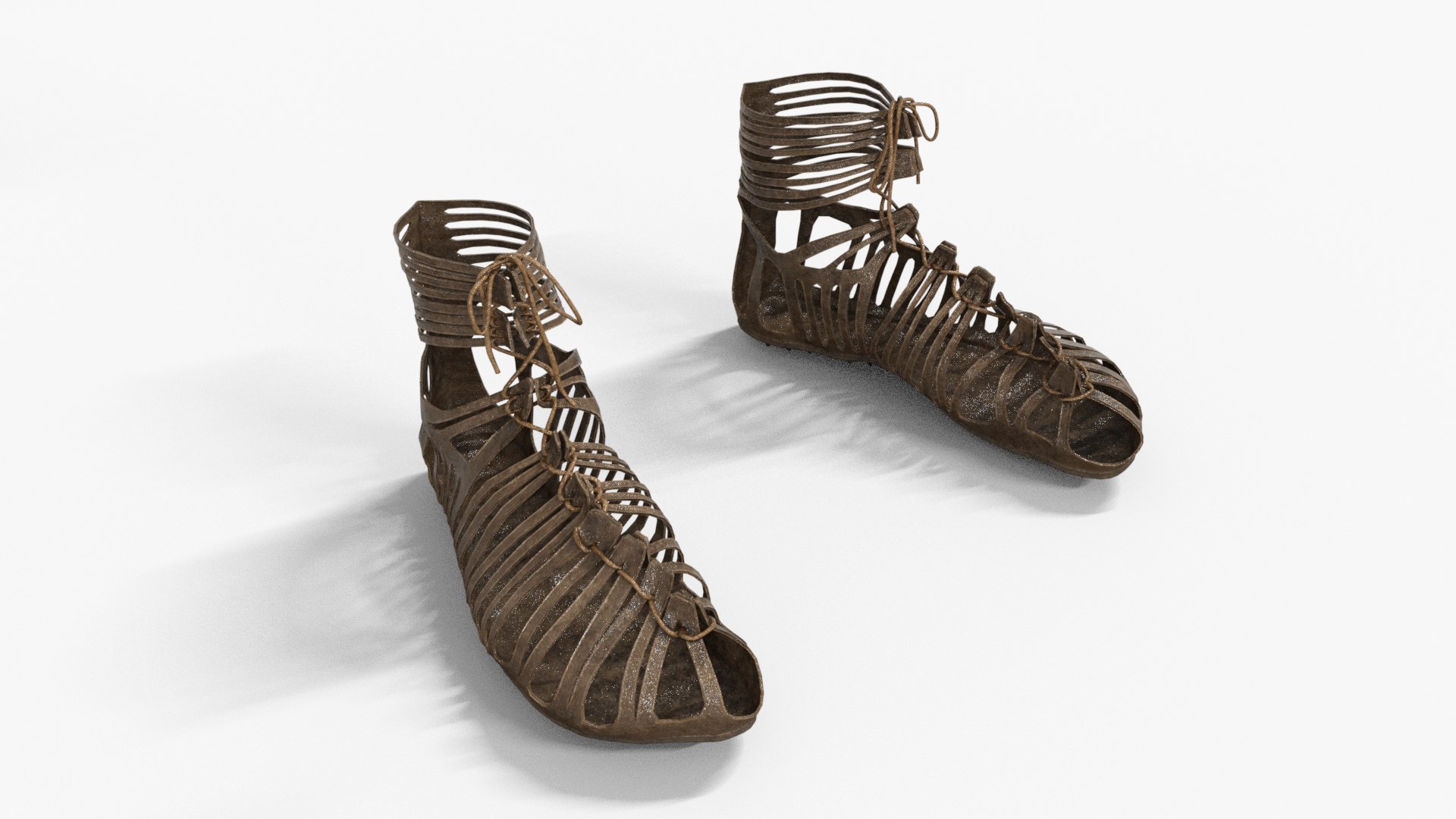
Caligae 22306 vertices, 22356 polygons, 43 bones
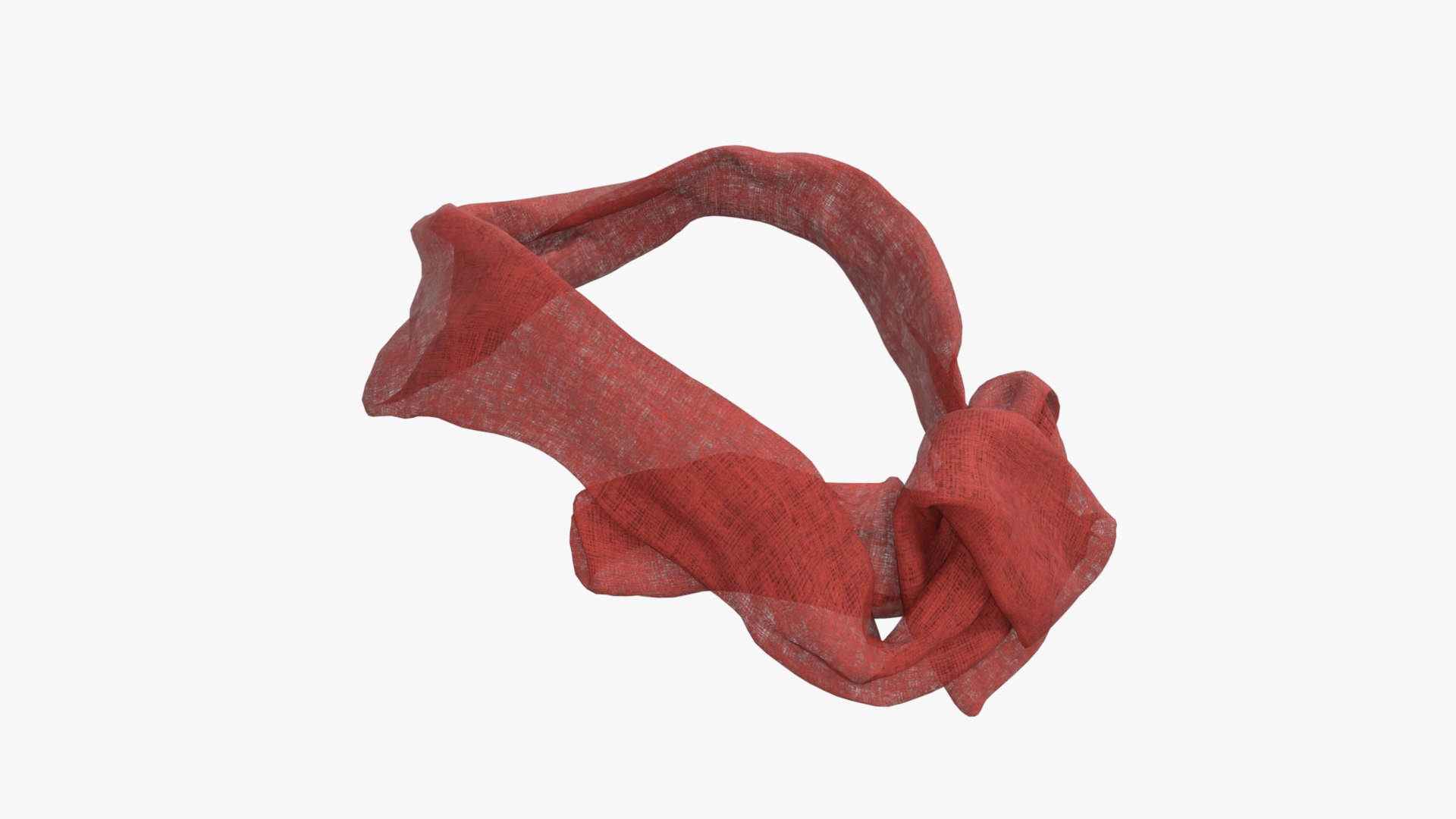
Focale 2117 vertices, 2126 polygons, 38 bonese
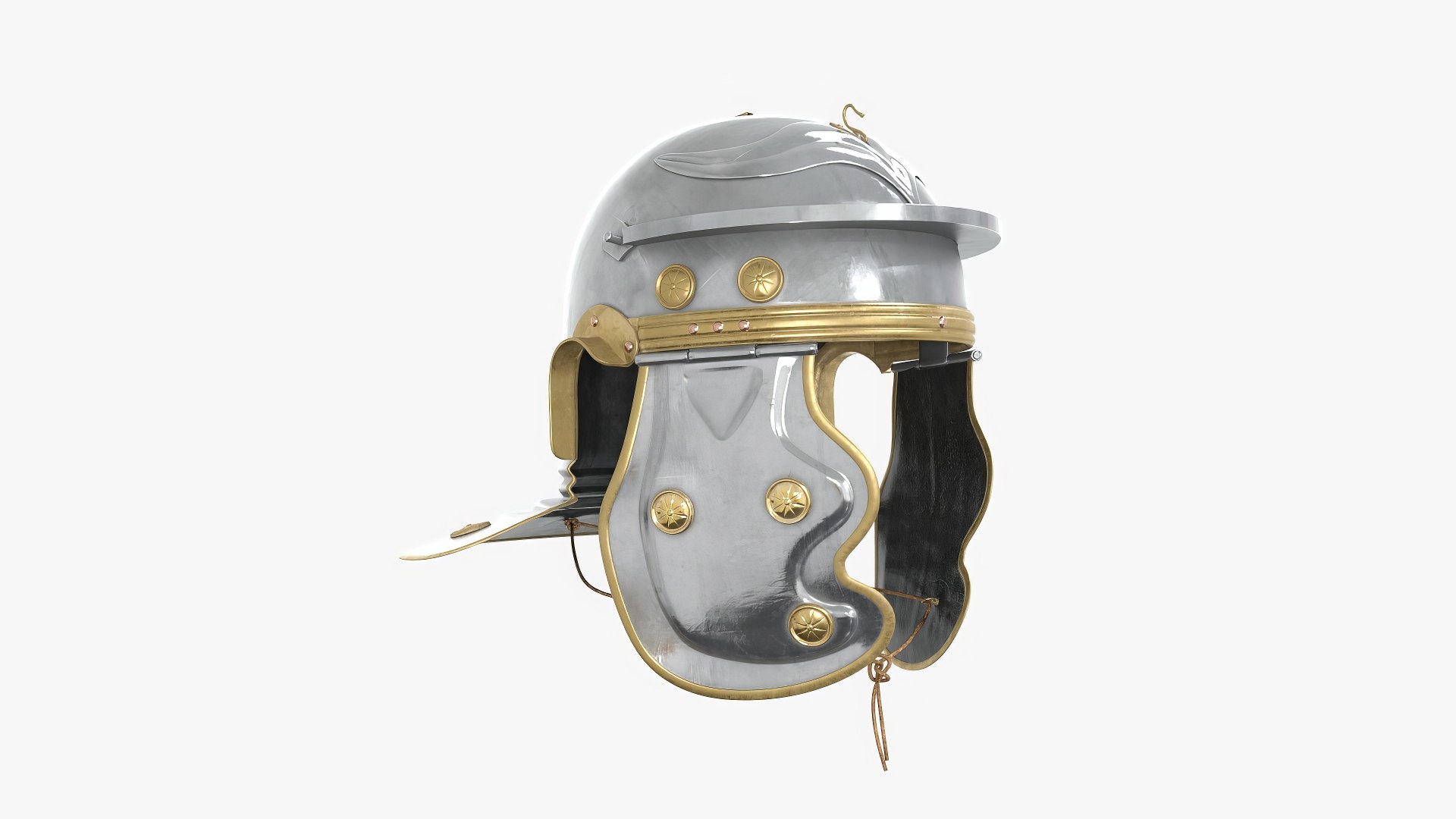
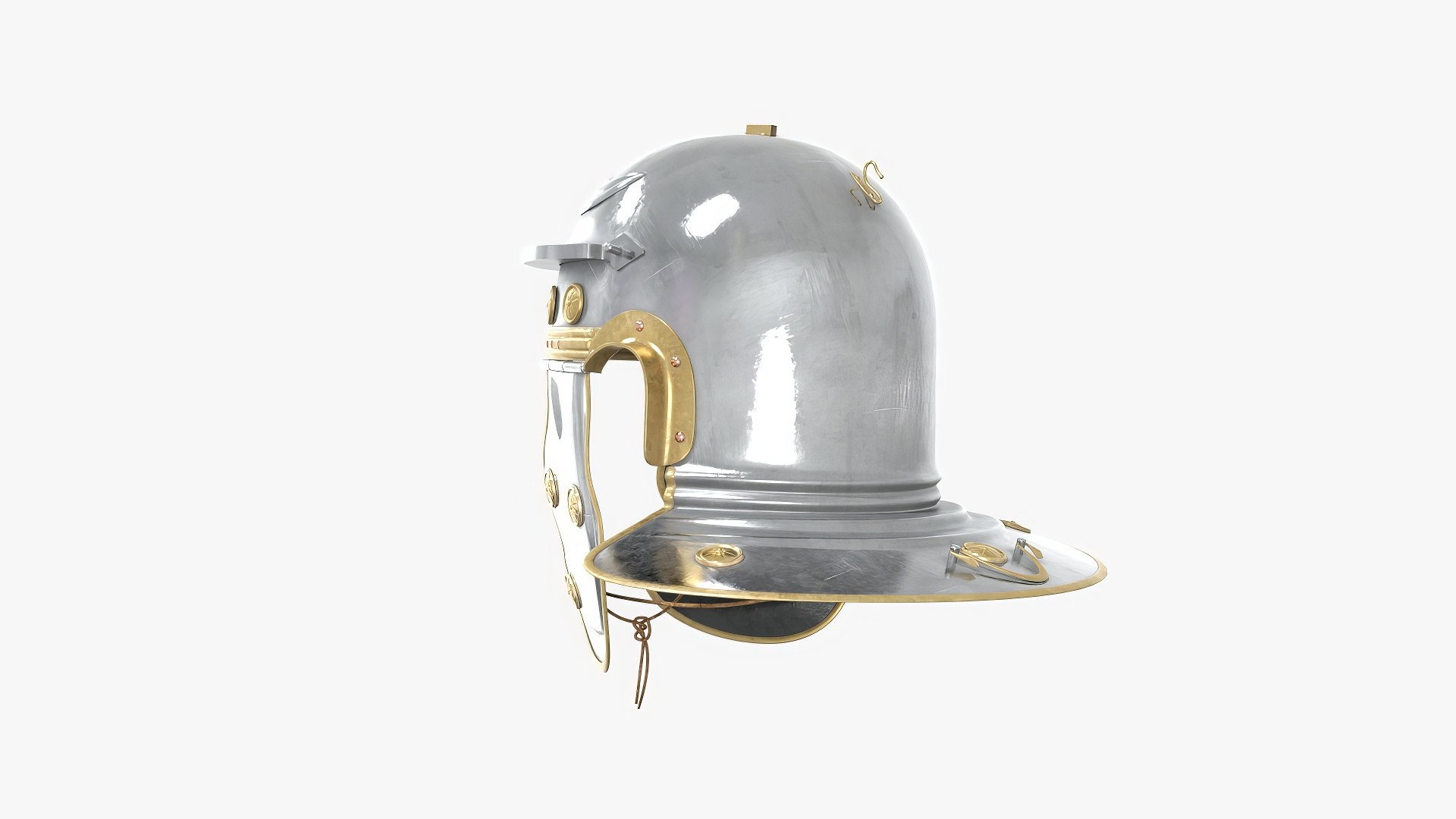
Eyebrows6944 vertices, 2644 polygons, 40 bones, 5288 triangles Galea 24647 vertices, 25272 polygons, 60 bones
Eyelash 2028 vertices, 858 polygons, 38 bones
Eyes 2120 vertices, 2112 polygons, 13 bones
Mouth 5079 vertices, 5000 polygons, 43 bones
Tear 280 vertices, 220 polygons, 38 bones
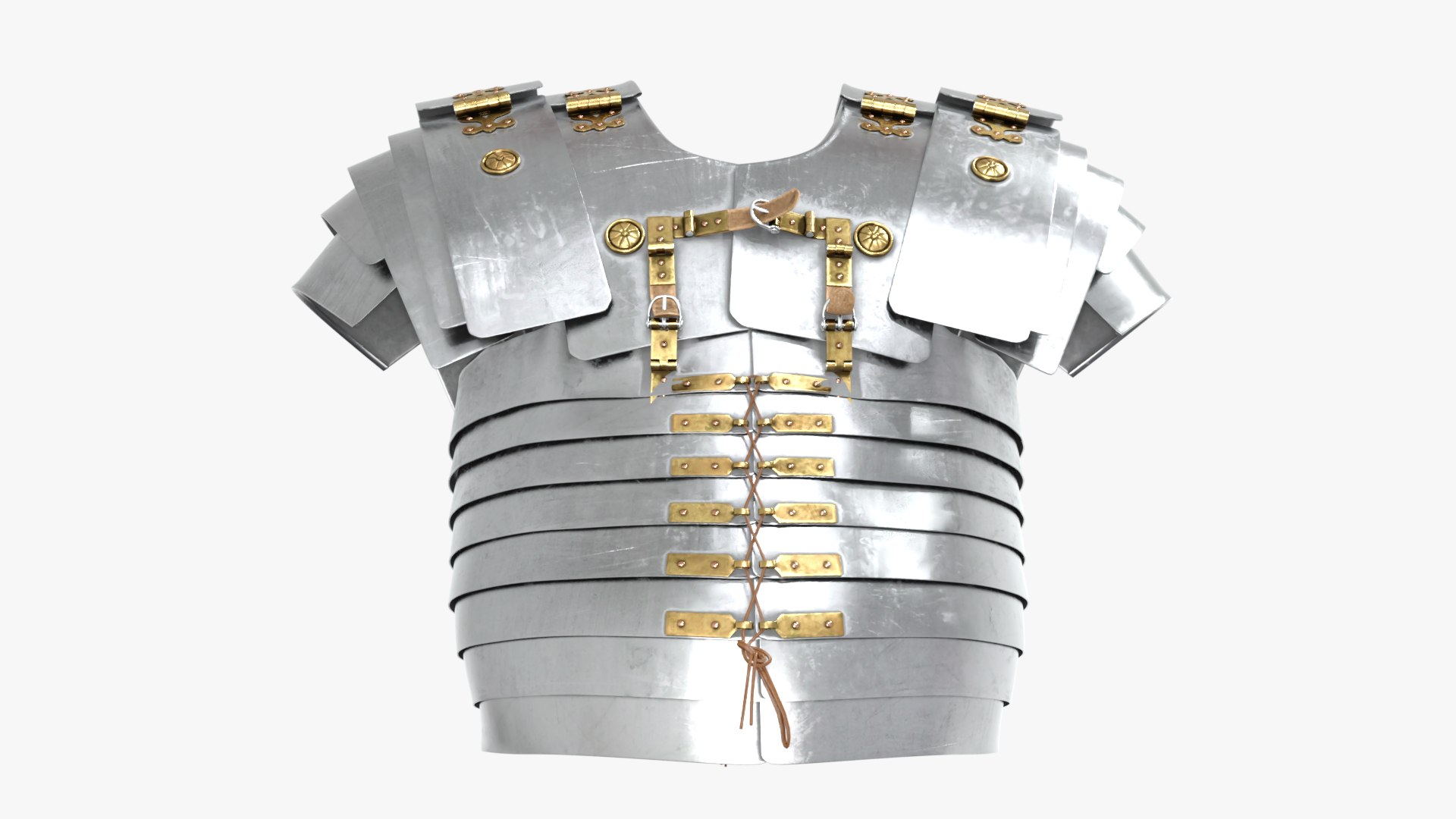
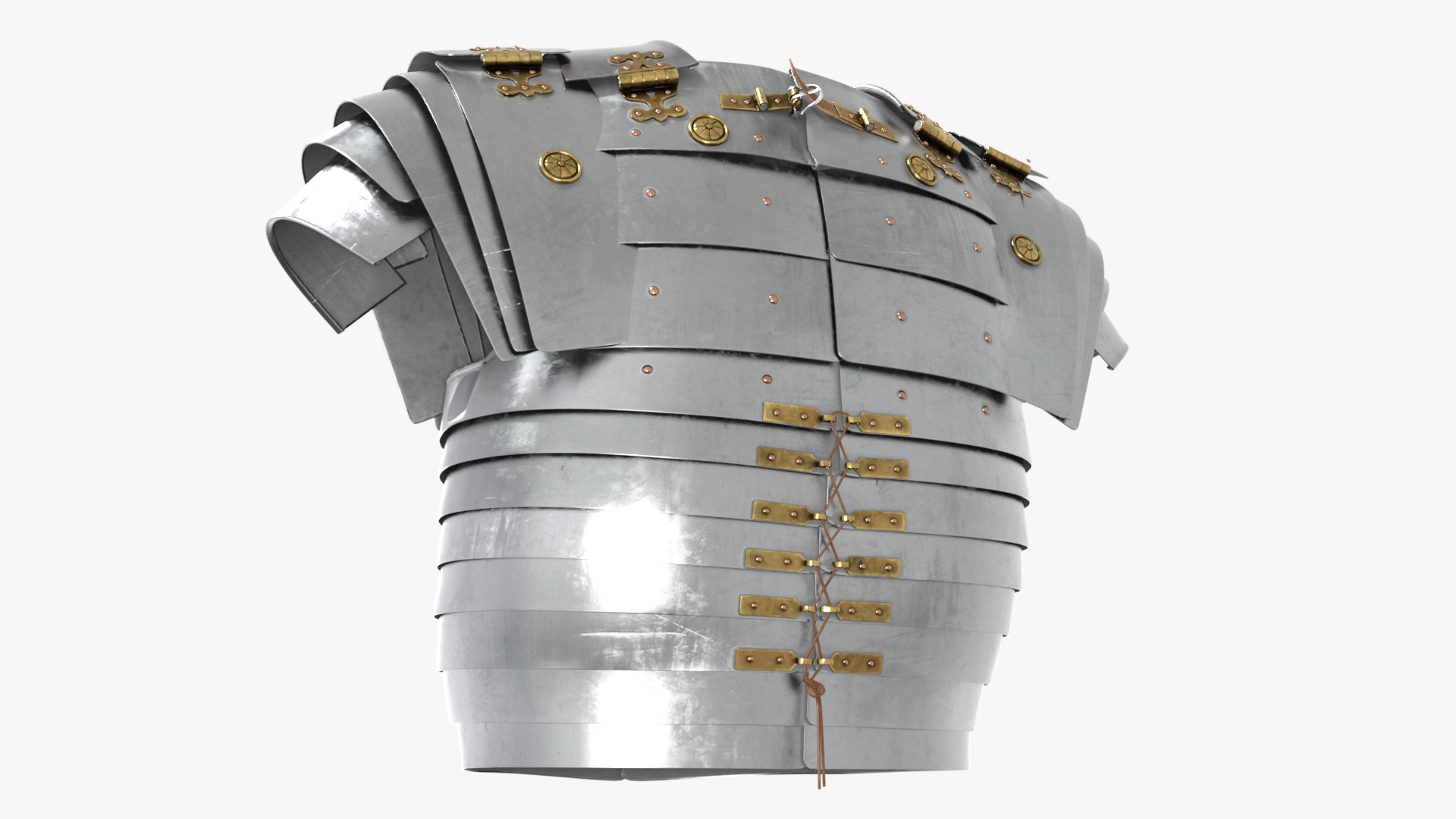
Lorica Segmentata 88904 vertices, 92836 polygons, 37 bones
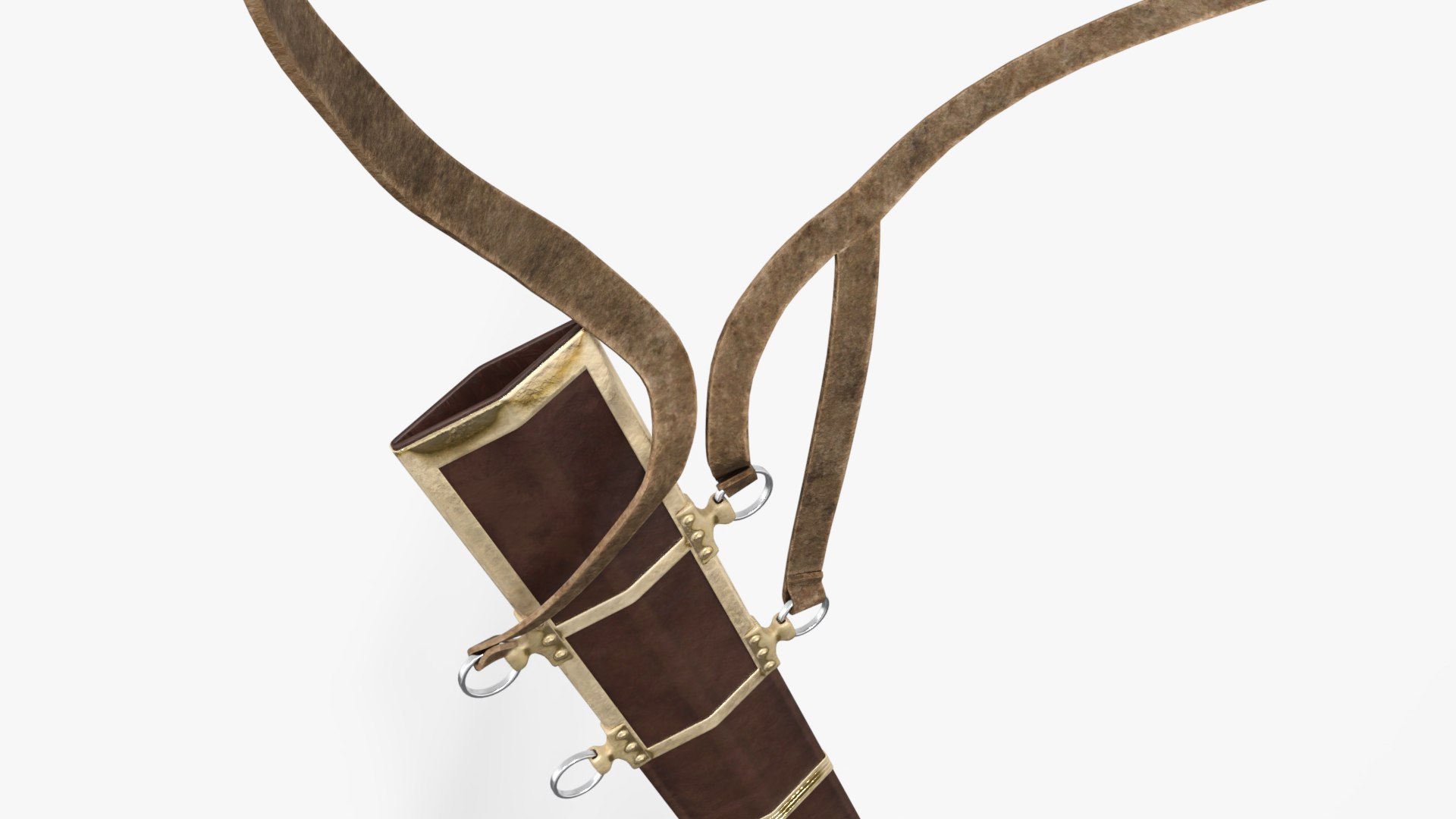
Body25182 vertices, 25156 polygons, 138 bonesScabbard 9540 vertices, 9716 polygons
Tunica 19276 vertices, 19132 polygons
Tunica_AddOn 1106 vertices, 553 polygons
Bulla 1281 vertices, 1264 polygons
Gladius Mainz 11971 vertices, 11652 polygons Pensilium 4484 vertices, 4472 polygons
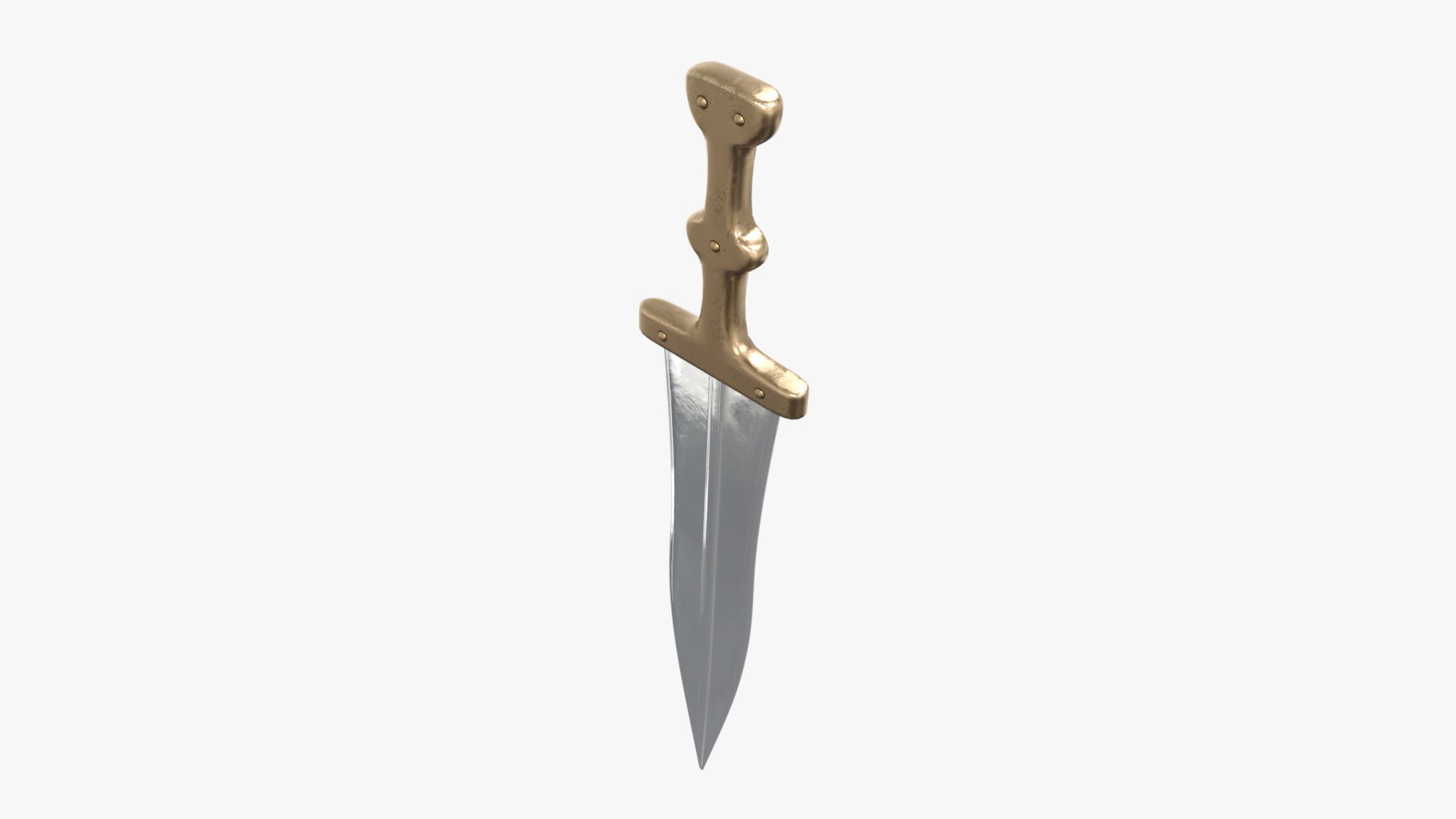
Pugio 8131 vertices, 8064 polygons
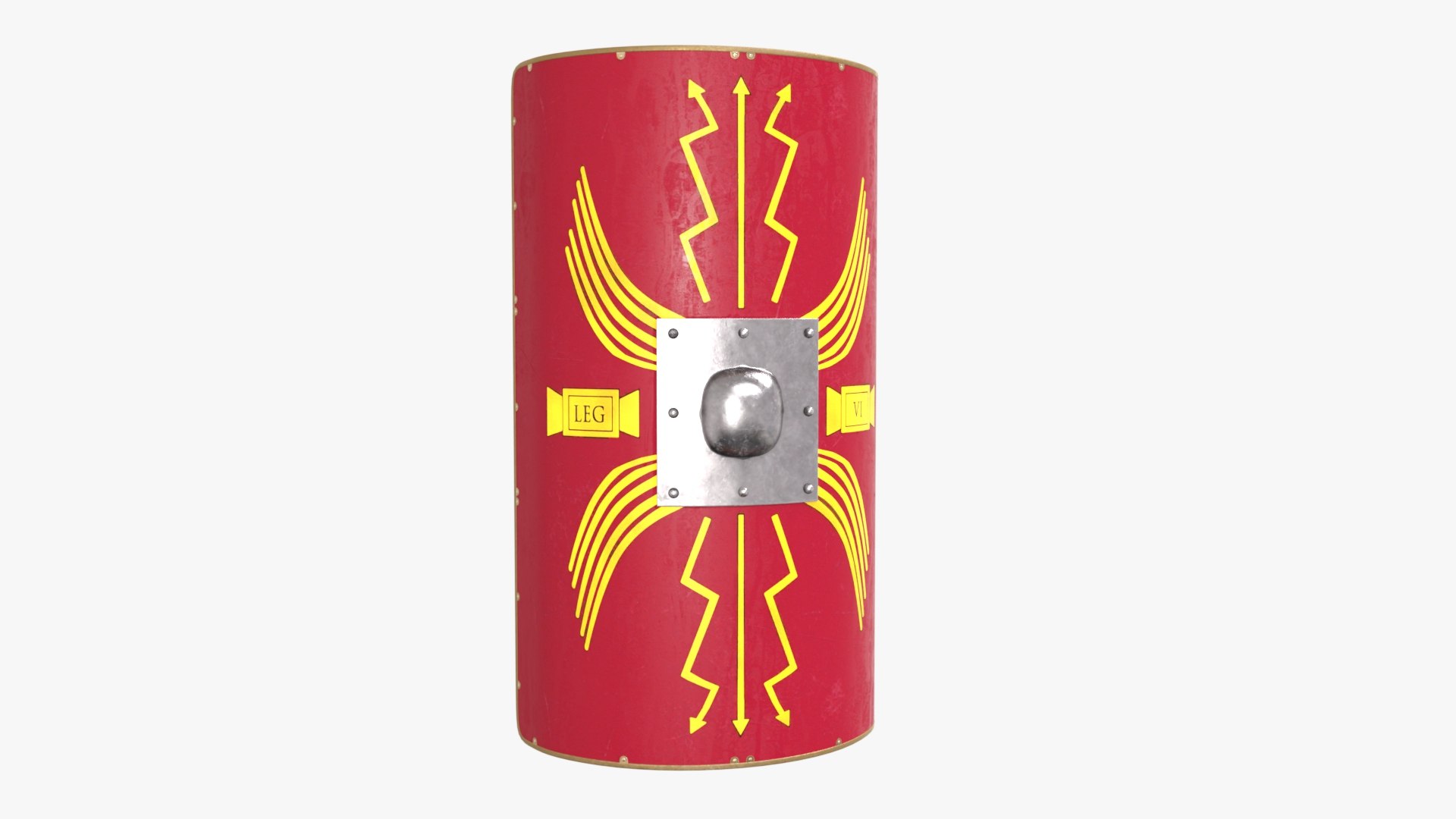
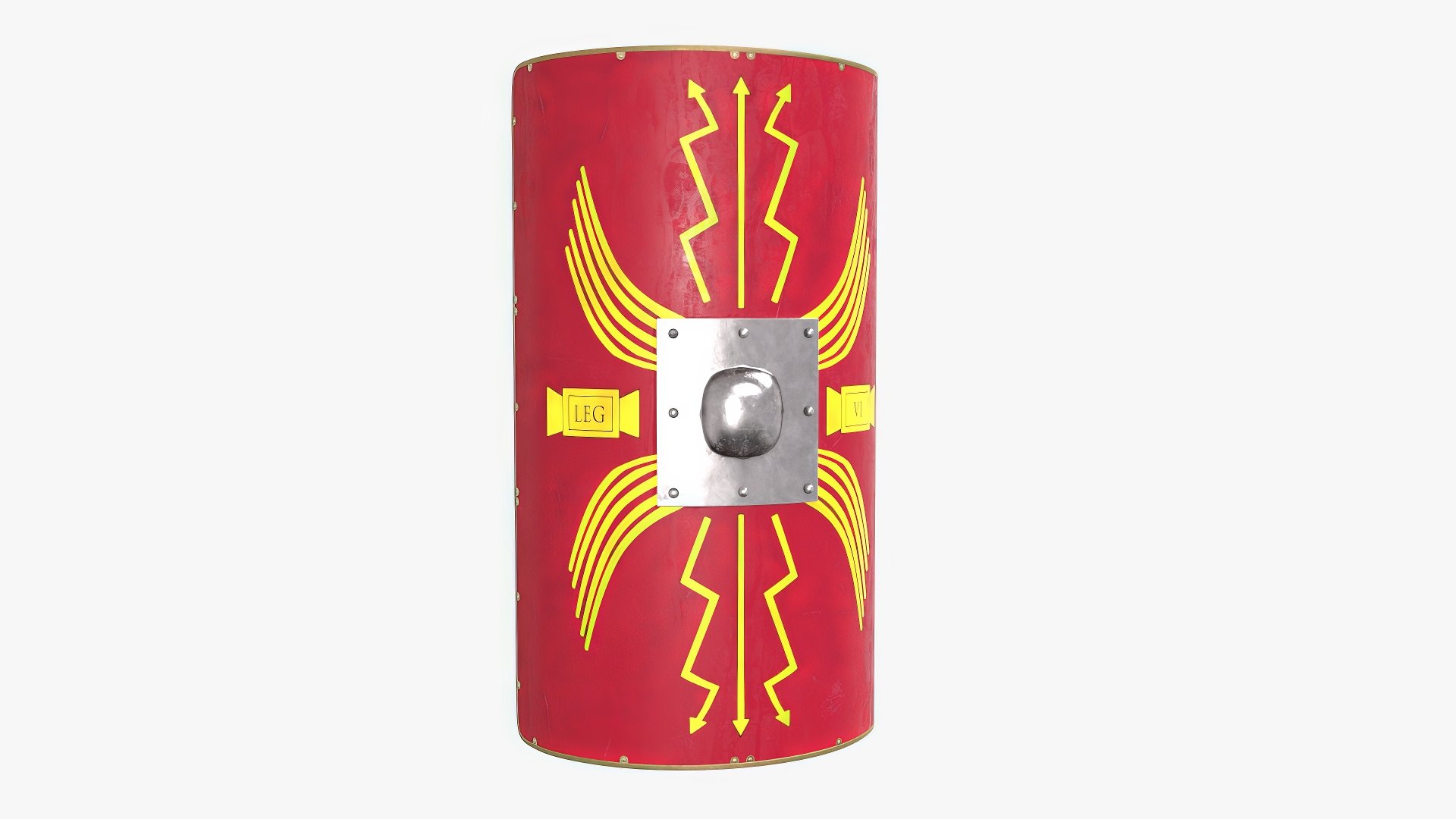
Scutum 36918 vertices, 36156 polygons
OverV -A gladius soldier was a Roman foot soldier who used a short sword called a gladius. The gladius was the primary weapon of Roman soldiers from the 3rd century BC until the 3rd century AD.
In the Roman army during classical antiquity, a centurion (/s?n'tj??ri?n/; Latin: centurio [k?n?'t??rio?], pl. centuriones; Ancient Greek: ?e?t?????, romanized: kentyríon, or Ancient Greek: ??at??ta????, romanized: hekatóntarkhos), was a commander, nominally of a century (Latin: centuria), a military unit originally consisting of 100 legionaries. The size of the century changed over time; from the 1st century BC through most of the imperial era it was reduced to 80 men.
Gladius (Classical Latin: ['g?adi?s]) is a Latin word properly referring to the type of sword that was used by ancient Roman foot soldiers starting from the 3rd century BC and until the 3rd century AD. Linguistically, within Latin, the word also came to mean sword, regardless of the type used.
Early ancient Roman swords were similar to those of the Greeks, called xiphe (pl., sg.: xiphos). From the 3rd century BC, however, the Romans adopted a weapon based on the sword of the Celtiberians of Hispania in service to Carthage during the Punic Wars, known in Latin as the gladius hispaniensis, meaning Hispanic-type sword. The Romans improved the weapon and modified it depending on how their battle units waged war, and created over time new types of gladii such as the Mainz gladius and the Pompeii gladius. Finally, in the third century AD the heavy Roman infantry replaced the gladius with the spatha (already common among Roman cavalrymen),[1] relegating the gladius as a weapon for light Roman infantry.
A gladiator (Latin: gladiator 'swordsman', from Latin gladius 'sword') was an armed combatant who entertained audiences in the Roman Republic and Roman Empire in violent confrontations with other gladiators, wild animals, and condemned criminals. Some gladiators were volunteers who risked their lives and their legal and social standing by appearing in the arena. Most were despised as slaves, schooled under harsh conditions, socially marginalized, and segregated even in death.