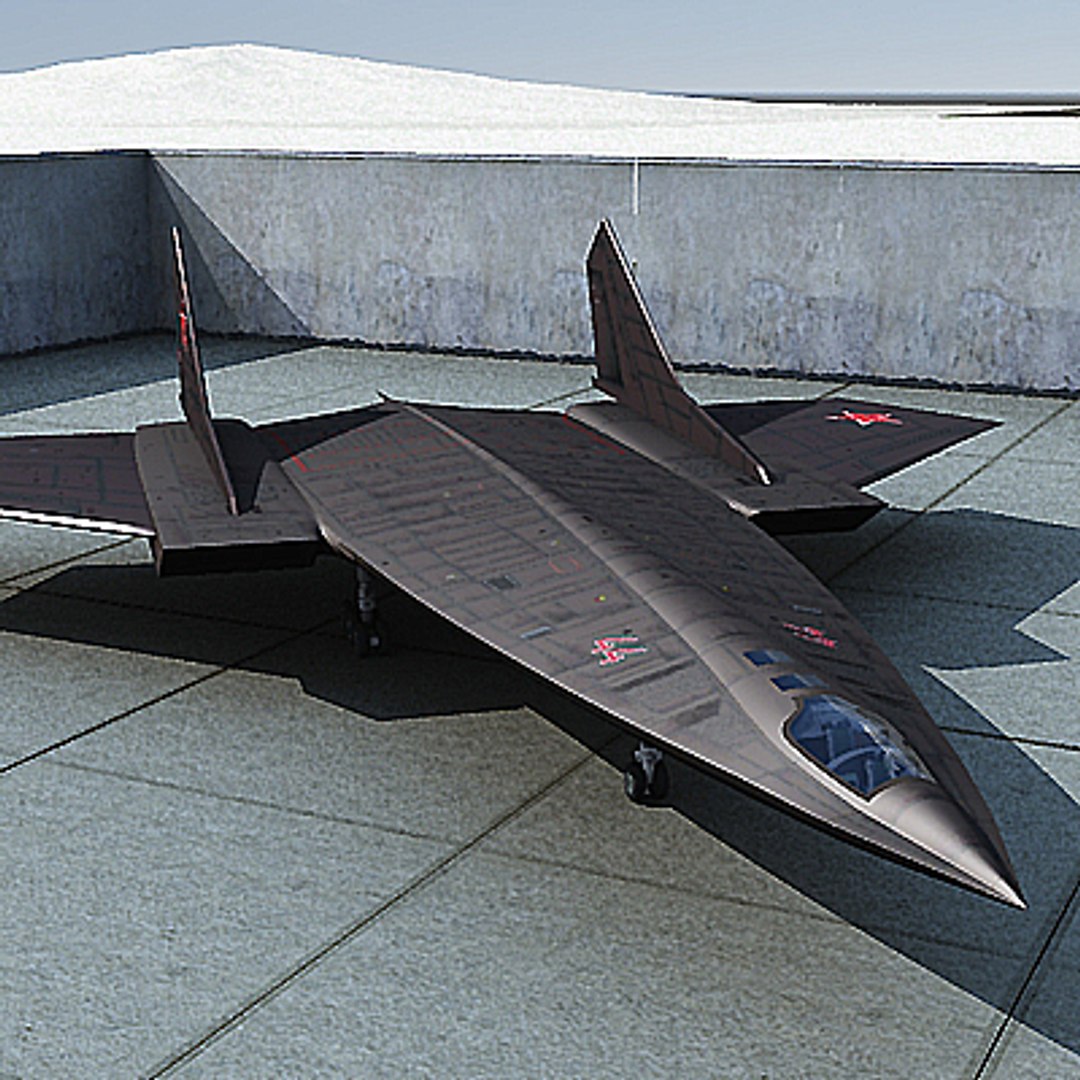
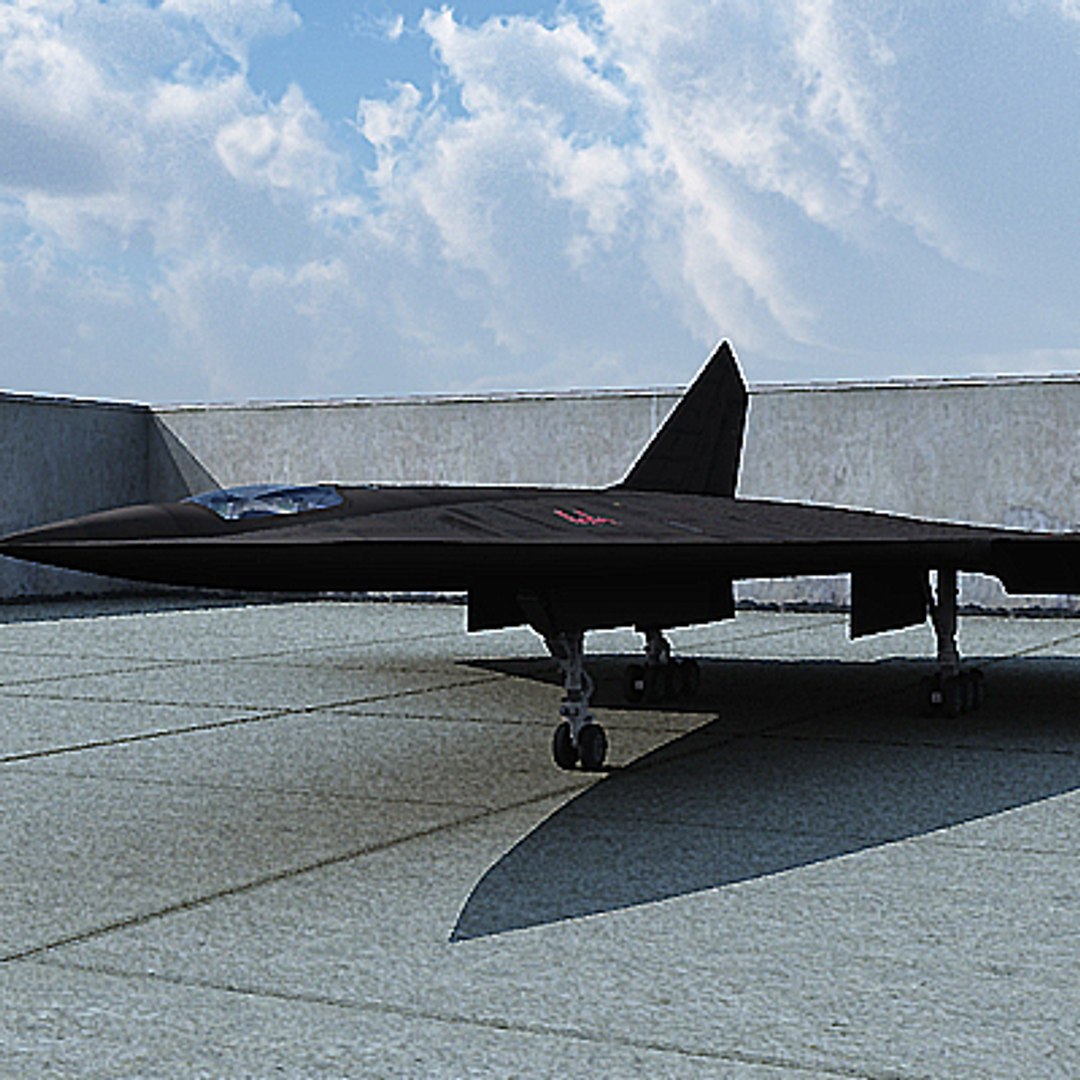
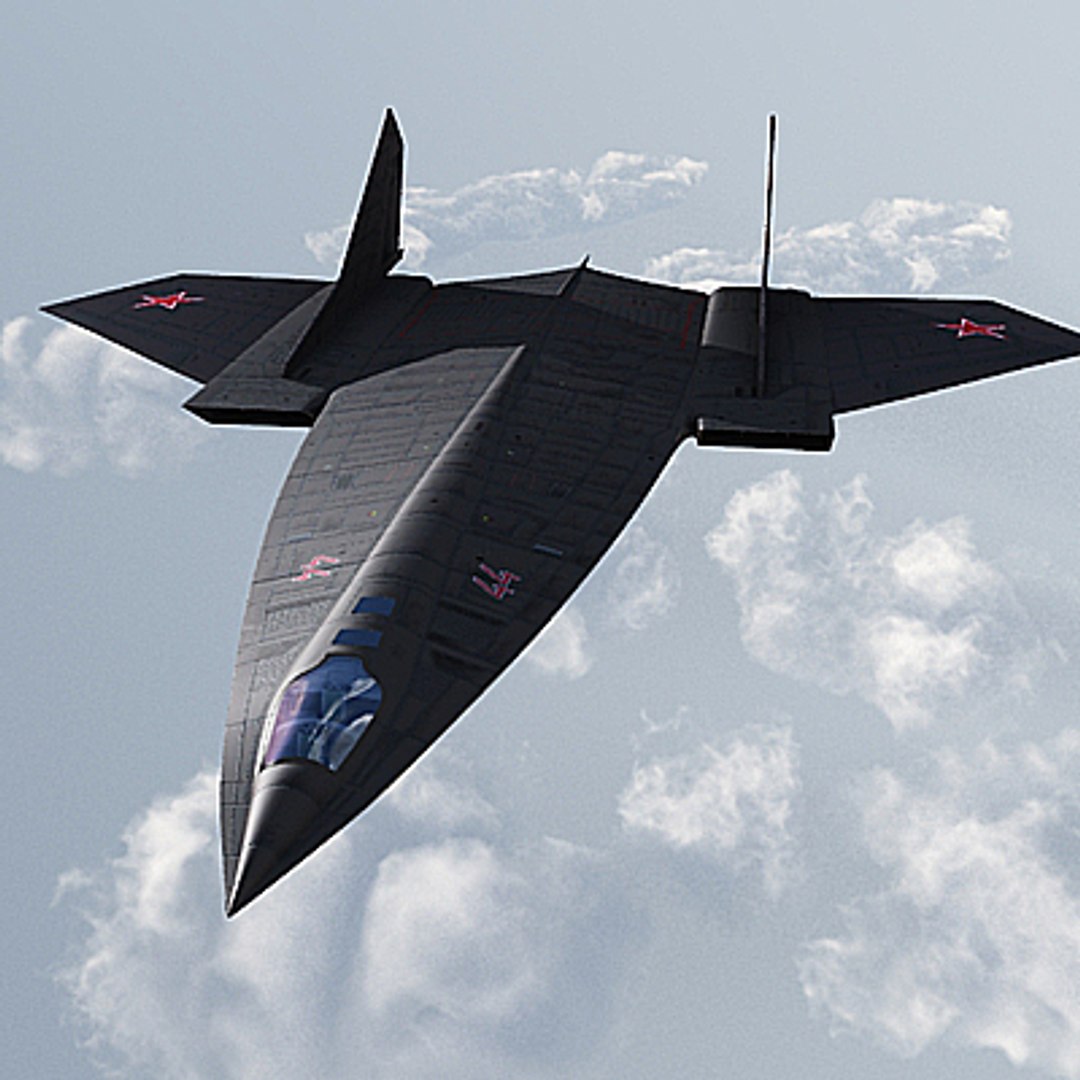
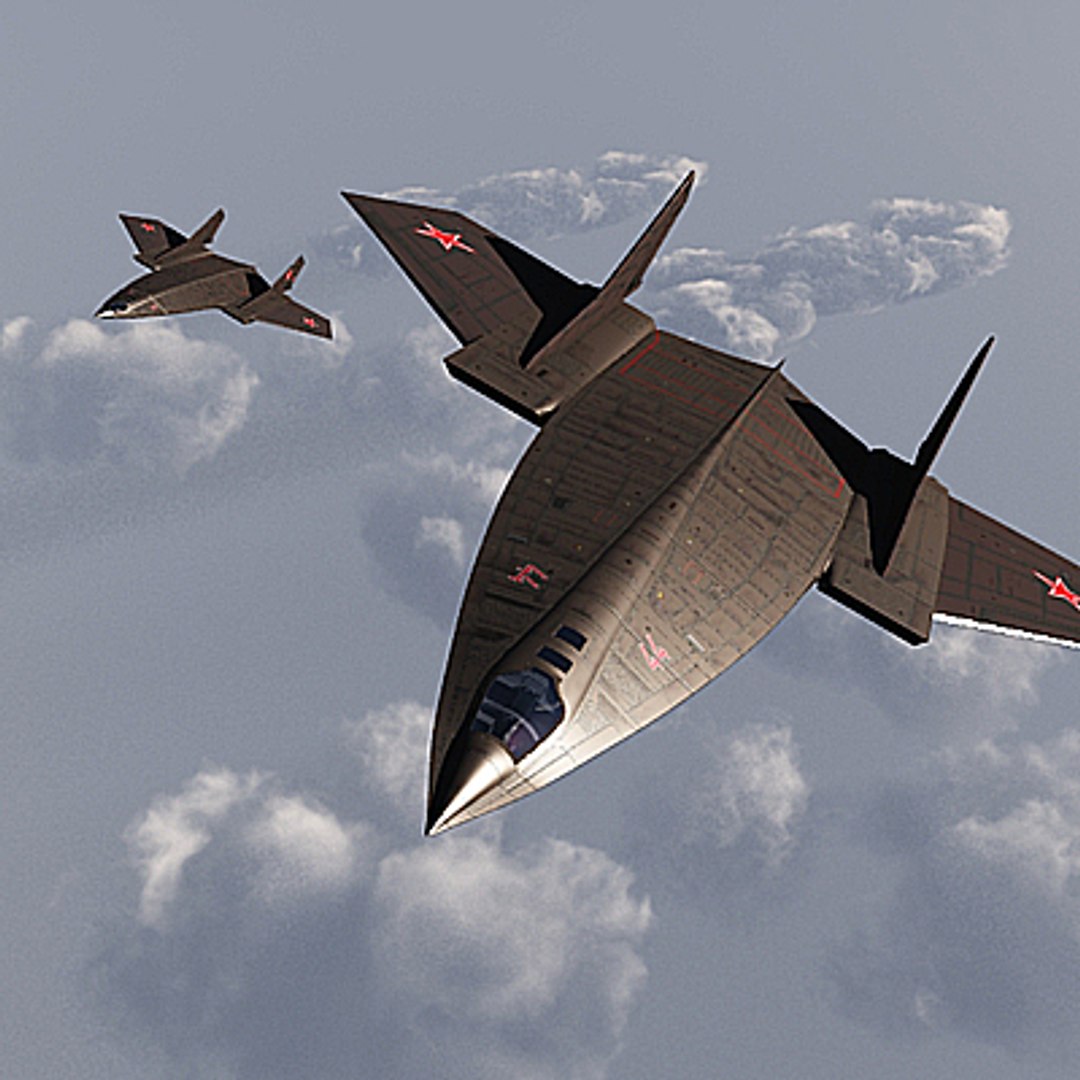
ATS Moskalyov"s DSB-LK Mach 4+ cruise missile carrier ( Russia black program) is a project of an advanced plane .This new program was specifically designed to produce an operational service aircraft, not a test bed, but a research laboratory such as the RK1. The new effort was led by Aleksandr Moskalyov of the renowned Leningrad Red Banner Engineering Academy (LKVVIA), again as a request of the VVS. The design parameters for this revolutionary design were impressive. It would have been able to take-off with a maximum weight of 1,102,290lb, of which approximately 33,069lb would be dedicated for a nuclear or conventional payload. Speeds would need to be in the Mach 2 to Mach 4 regions with an estimated operational ceiling of 114,830ft. Work commenced for the aircraft program, by now designated DSB-LK, in 1957 and by late 1959
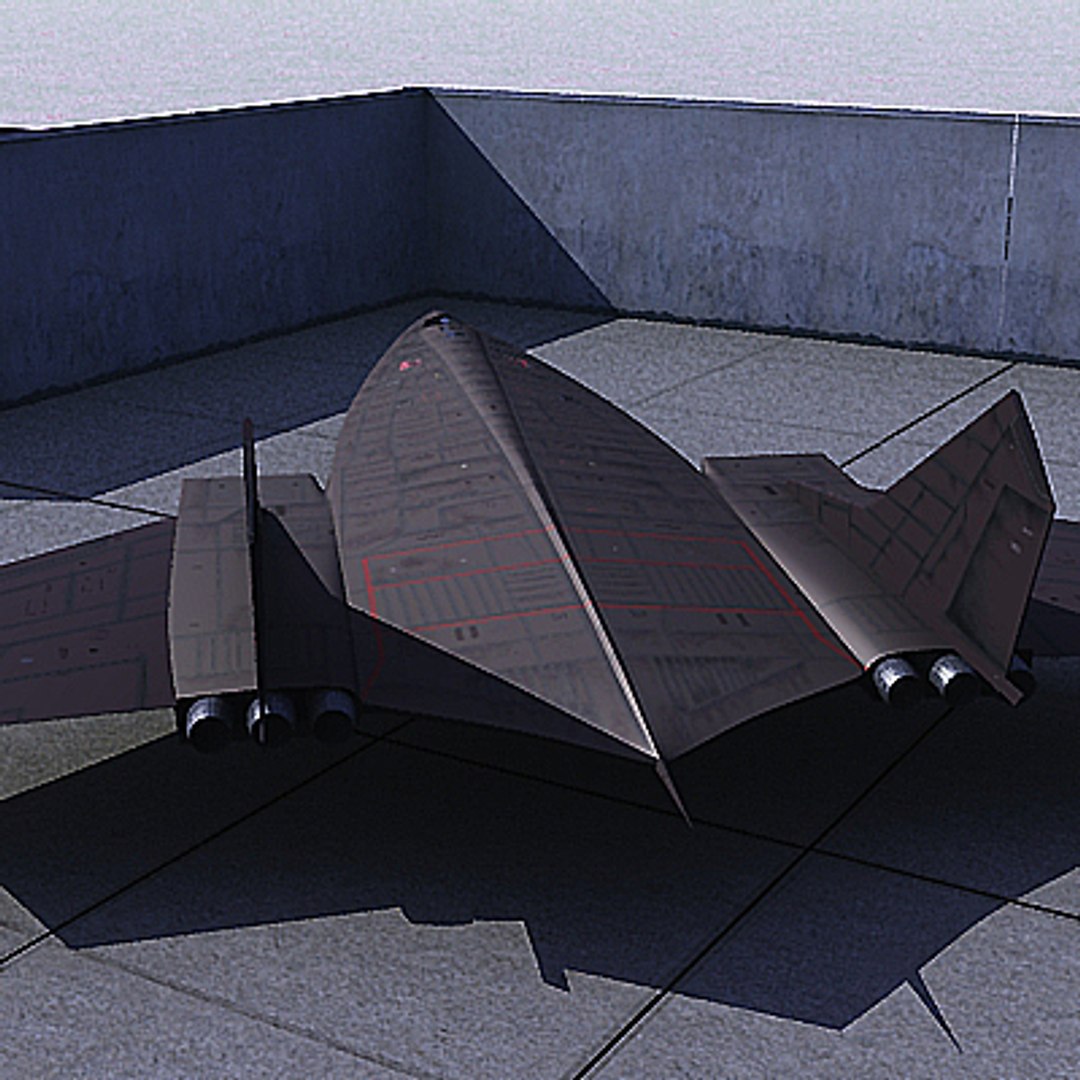
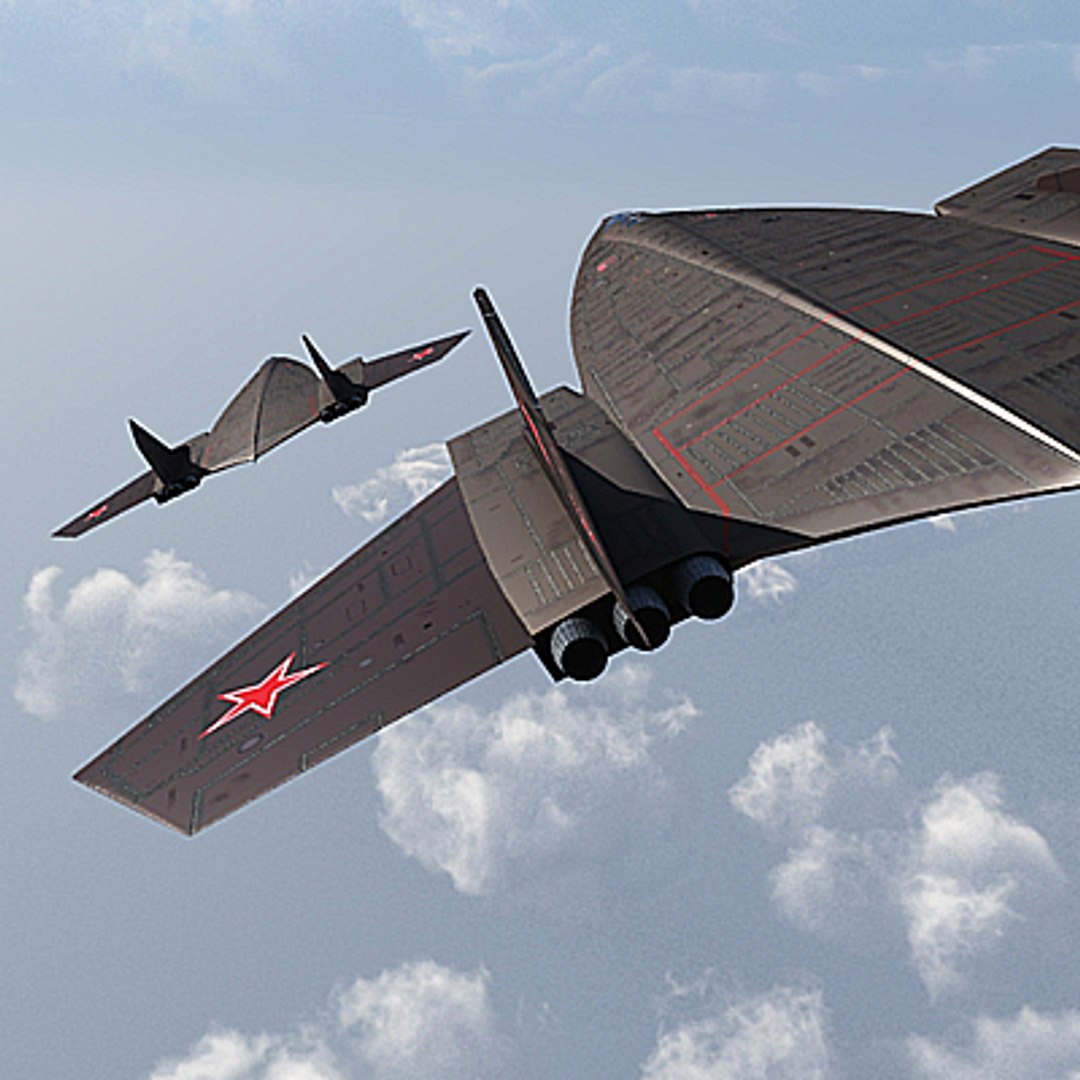
Preliminary testing on the DSB-LK design established a more realistic operational parameter for the flying wing concept. Maximum take-off weight would now be 660,000lbs. The DSB-LS were to fly at Mach 4.4, with a top service ceiling of 114,830ft. Studies were conducted into the possibility of replacing parts of the usual D23 alloy airframe with titanium alloys in order to increase the speed of the aircraft. The power configuration to be implemented on the design was to consist between six to ten turbojet engines. A ramjet configuration was also discussed. Defensive measures for the DSB-LK aircraft was provided as four air-to-air missiles with a range of 6.2 miles, augmented by two cannon bettes, and Electronic Counter Measure system. The aircraft would also be able to carry the new Rubin-1 radar system.
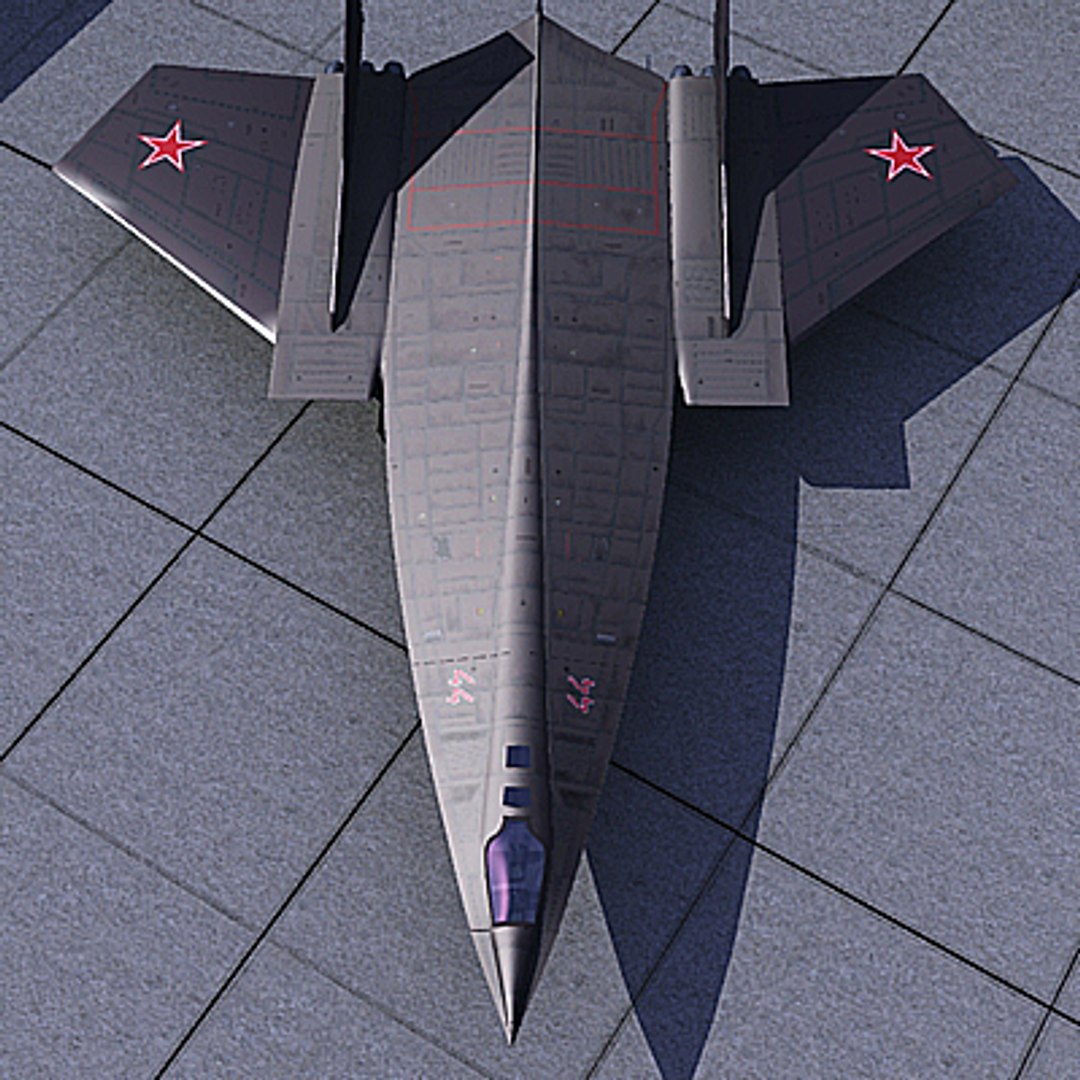
After an extensive research phase, preliminary conclusions indicated that with current available technology, the development of the DSB-LK bomber was feasible. After preliminary conclusions were reached, the program moved to the advance design phase. With the assistance of the Tsentrahl’nyy Aero-I Ghidrodinameecheskiy Institoot, Central State Aerodynamics and Hydrodynamic Institute and the Myasishchev Design Bureau; the DBS-LK program moved to the final concept configuration stage. The final revised configuration for the DSB-LK was a cranked delta wing, swept 72 degrees inboard and 42 degrees outboard. A bicycle undercarriage of four wheels on the front leg and eight on the double rear section was implemented to the design. Six massive VK15m engines, generating 34,830lb of thrust, boxed in sets of three; was the ultimate choose for the plane’s power plant. Its crew was to consist of a pilot, co-pilot, and navigator/electronic officer; housed on a small cabin in the nose of the airframe. Its internal bomb bay, located at the centre of the fuselage, would have been able to carry up to 11,023lb of ordinance of various types. Operational range for the bomber was established at an impressive 10,441 miles, with a serviceable ceiling of 114,830ft.
Budgetary constrains and the need to allocate more funds to the USSR’s main deterrent force, its ICBM platform derailed the DSB-LK program. Eventually, the VVS terminated the program in the fall of 1960.