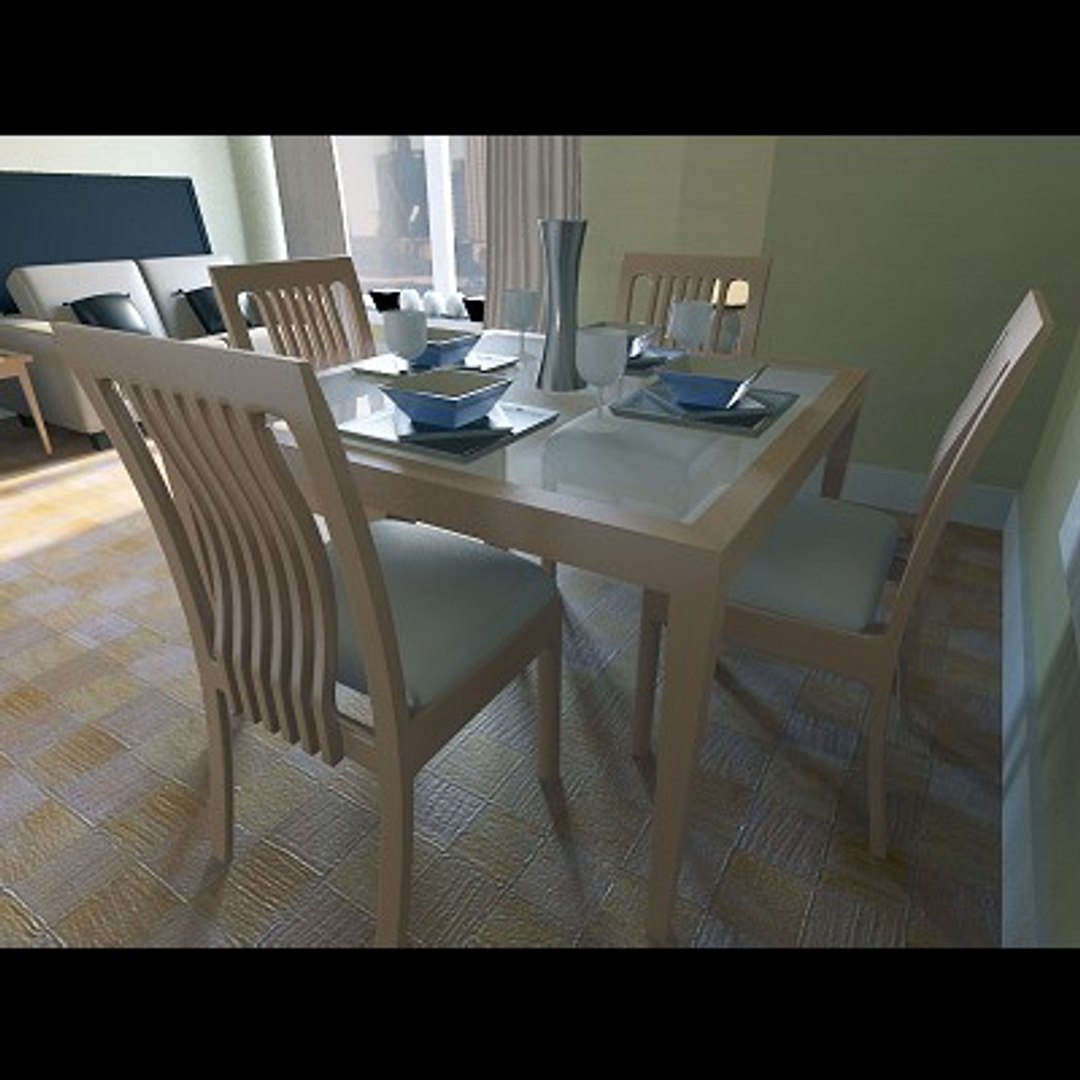
Urban Table

Free

Formats (7)
Native | Maya 6.0 | Default Scanline
3ds Max 5.1 | Default Scanline
Lightwave 6.5 | Default Scanline
Cinema 4D 9 | Default Scanline
Softimage
OBJ
3D Studio
Specifications
Publish Date November 22, 2008
Product ID 429991
Polygons 62
Vertices 64
Polygonal Quads/Tris Geometry
Textures
Materials
UV Mapped
Non-overlapping Unwrapped UVs
TurboSquid Exclusive

member avatar
PerspectX
804 Products | Contributor Since 2003
Have questions? Chat with us now.

Description

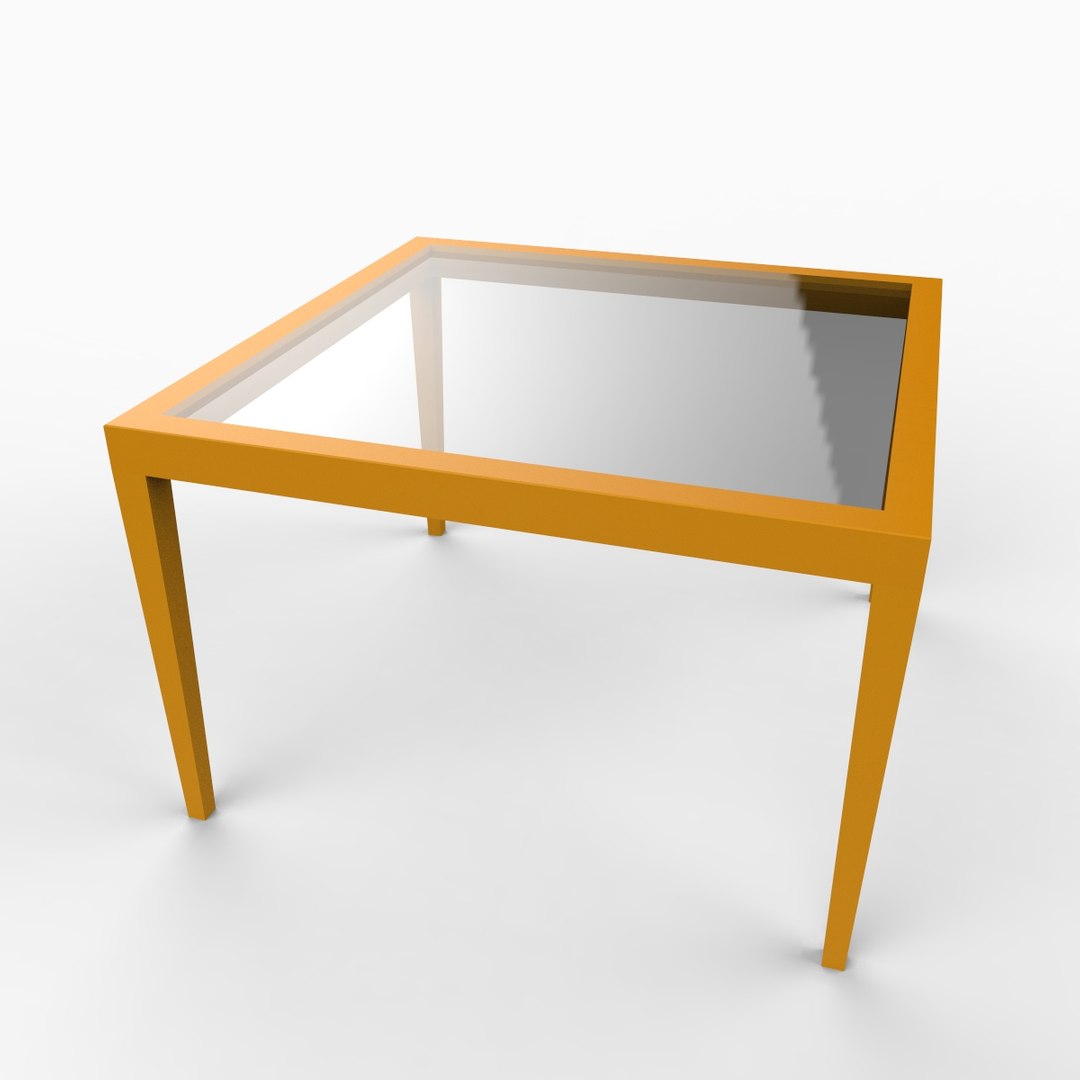
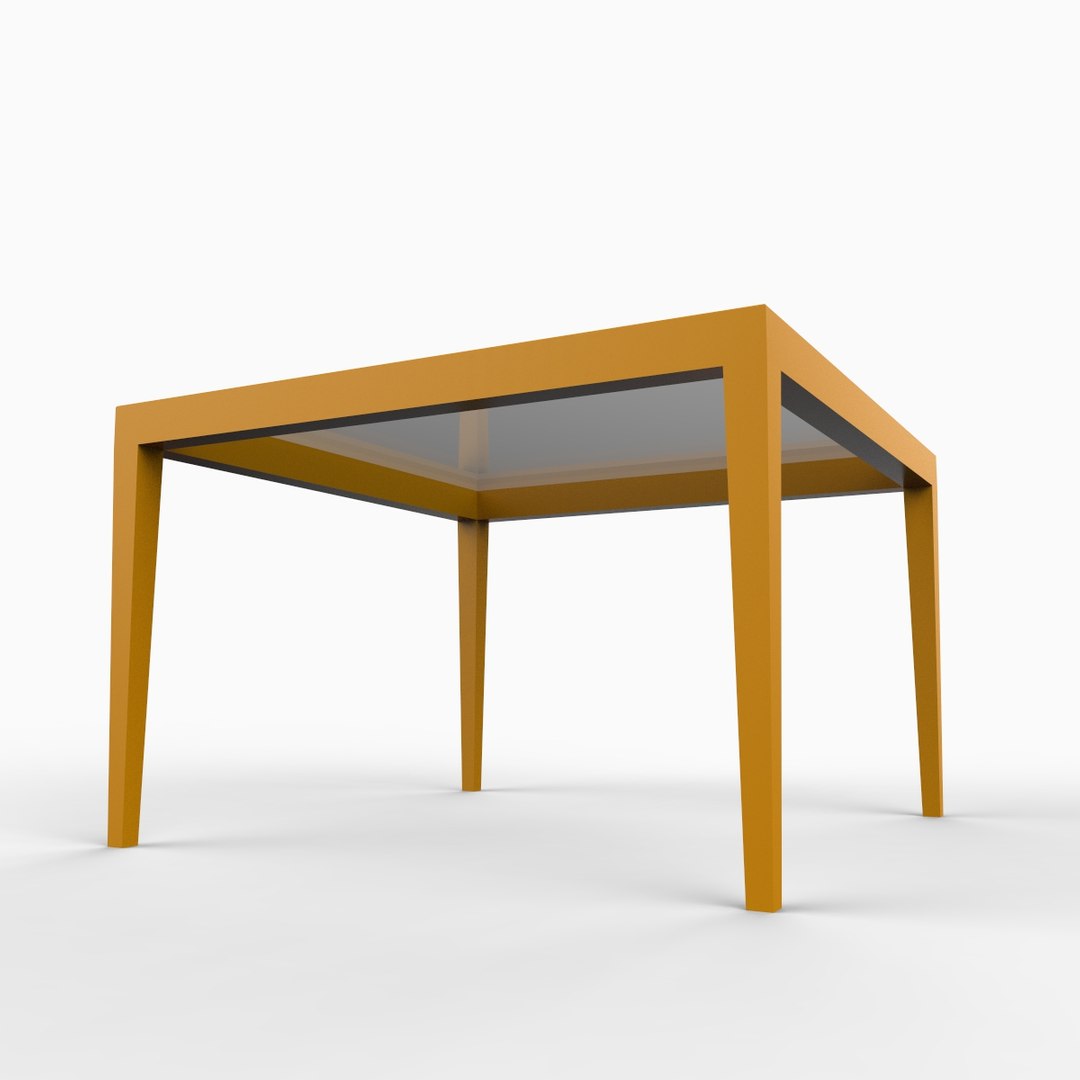
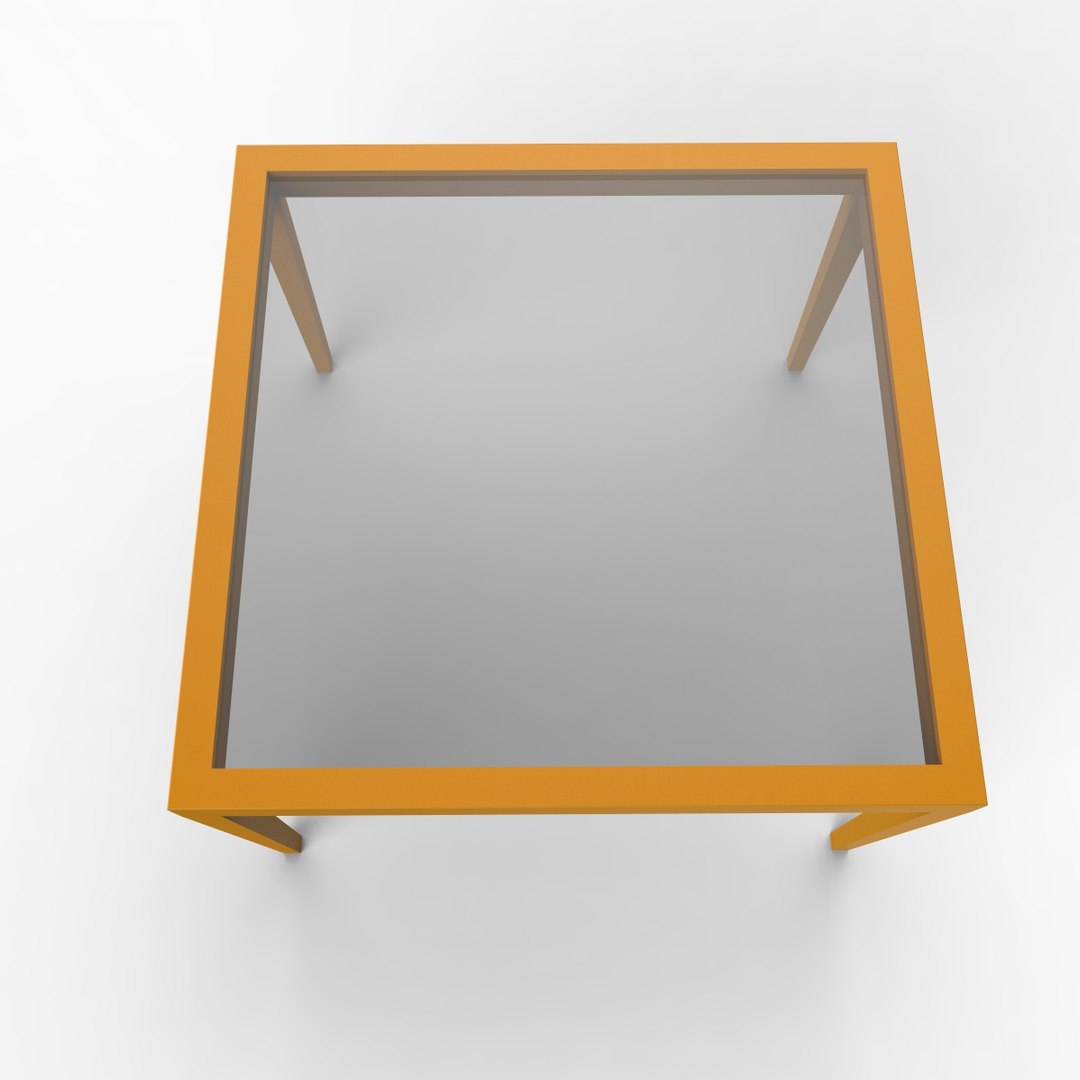
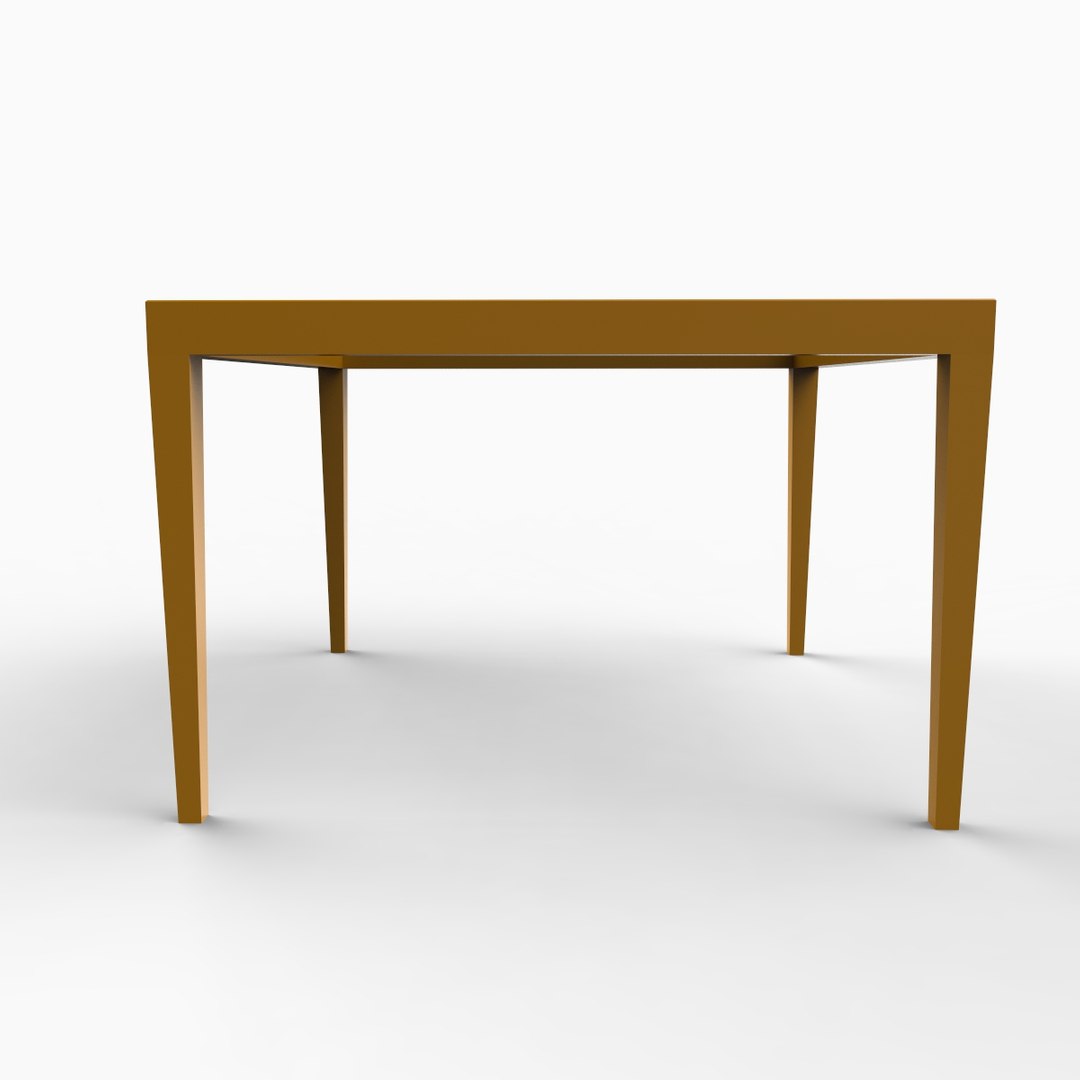
DescriptionA table is a form of furniture composed of a surface supported by a base, usually four legs. It is often used to hold objects or food at a convenient or comfortable height when sitting. Generic tables are typically meant for combined use with chairs. Unlike many earlier table designs, today"s tables usually do not have drawers. A table specifically intended for working is a desk. Some tables have hinged extensions of the table top called drop leaves, while others can be extended with removable sections called leaves. (Wiki) TextureTextures and color maps are included.HistorySome very early tables were made and used by the Egyptians, and were little more than metal or stone platforms used to keep objects off the floor. They were not used for seating people. Food was put on large plates deposed on a pedestal for eating. The Egyptians made use of various small tables and elevated playing boards. The Chinese also created very early tables in order to pursue the arts of writing and painting.The Greeks and Romans made more frequent use of tables, notably for eating, although Greek tables were pushed under a bed after use. The Greeks invented a piece of furniture very similar to the guéridon. Tables were made of marble or wood and metal (typically bronze or silver alloys). Later, the larger rectangular tables were made of separate platforms and pillars. The Romans also introduced a large, semicircular table to Italy, the mensa lunata.Furniture during the Middle Ages is not as well-known as that of earlier or later periods, and most sources show the types used by the nobility. In the Eastern Roman Empire, tables were made of metal or wood, usually with four feet and frequently linked by x-shaped stretchers. Tables for eating were large and often round or semicircular. A combination of a small round table and a lectern seemed very popular as a writing table. In western Europe, the invasions and internecine wars caused most of the knowledge inherited from the classical era to be lost. As a result of the necessary movability, most tables were simple trestle tables, although small round tables made from joinery reappeared during the 15th century and onward. In the Gothic era, the chest (furniture) became widespread and was often used as a table.Refectory tables first appeared at least as early as the 16th century, as an evolution of the trestle table; these tables were typically quite long and capable of supporting a sizeable banquet in the great hall or other reception room of a castle. (Wiki) 
Categories

Select Enhanced License

  • $10,000 in Legal Protection (Indemnification)
  • Uncapped Legal Protection (Indemnification)
  • Waiver from injunctive relief
  • Assignable model rights
  • $1,000,000 in Legal Protection (Indemnification)
  • Waiver from injunctive relief
  • Assignable model rights
  • $250,000 in Legal Protection (Indemnification)
  • Assignable model rights
Read more about enhanced license tiers, or contact us at enterprise@turbosquid.com. Already a Shutterstock Enterprise Customer? Contact your Shutterstock Sales Support Agent to talk about adding 3D.

About Conversion Requests

To submit a conversion request for a purchased asset, please complete our Conversion Request Form.

If you have not yet purchased a model, please review our Documentation about Conversions to learn about what limitations you may encounter with a conversion.

For any additional questions about a model’s suitability for conversion, please contact TurboSquid Support.

Loading...